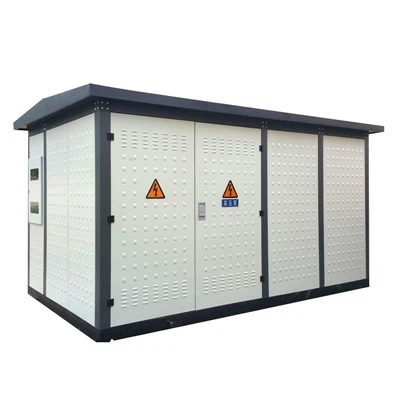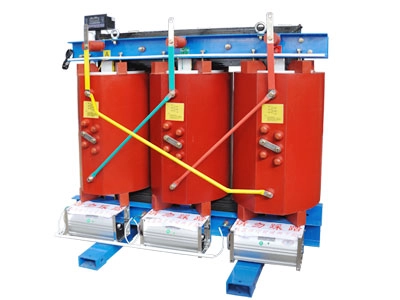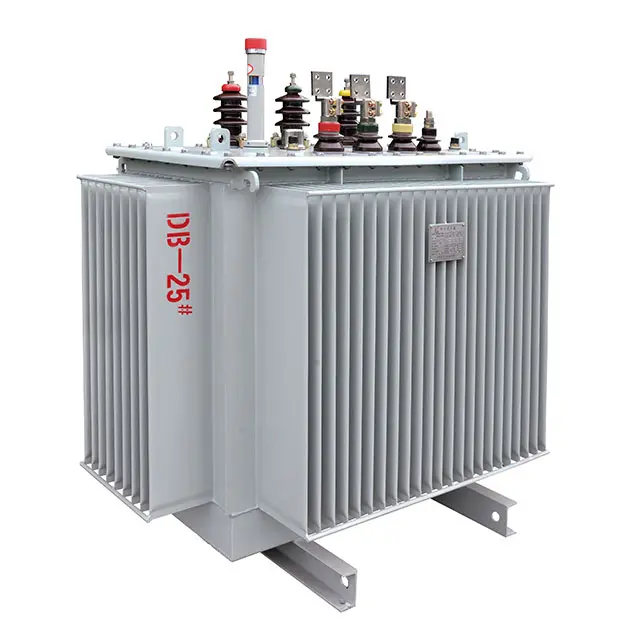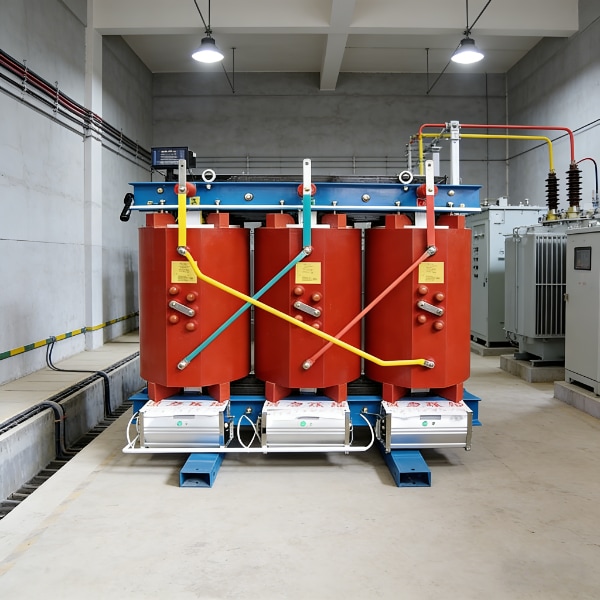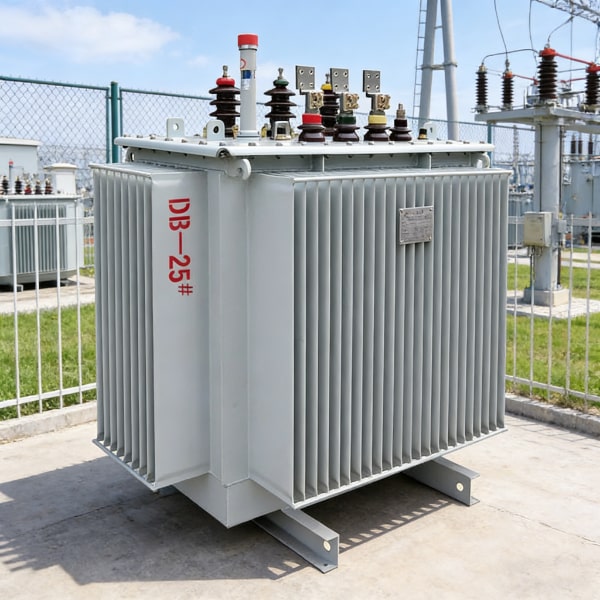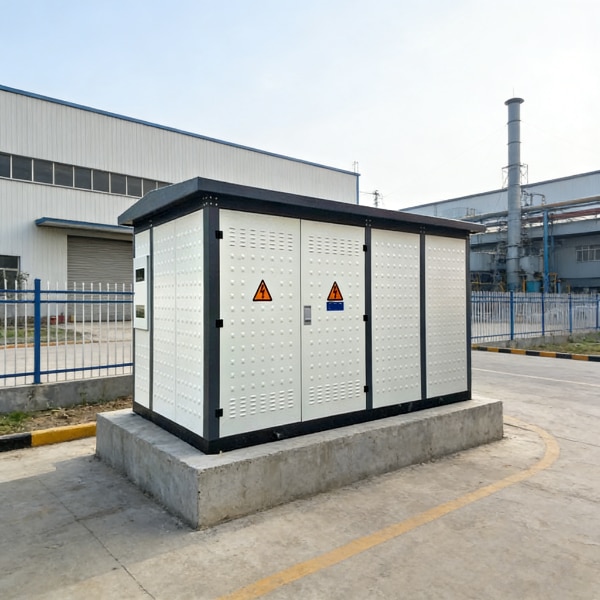

Introduction to Transformers
Transformers are essential components in electrical systems, primarily serving the crucial purpose of voltage transformation. They enable the efficient transmission of electrical energy across various distances by stepping up or stepping down voltage levels according to the specific requirements of the grid and the end-user applications. The fundamental operation of transformers is based on the principle of electromagnetic induction, a concept that underpins much of modern electrical engineering.
The basic design of a transformer consists of two coils of wire known as the primary and secondary windings, which are linked by a magnetic core. When alternating current (AC) flows through the primary winding, it generates a varying magnetic field. This field, in turn, induces a voltage in the secondary winding through the process of electromagnetic induction. The ratio of the number of turns in the primary winding to that in the secondary determines whether the transformer steps up or steps down the voltage. A higher number of turns in the secondary winding compared to the primary will result in a higher output voltage, whereas a greater number of turns in the primary will lead to a lower output voltage.
Transformers exhibit remarkable versatility and are utilized in a wide range of applications, from small electronic devices to large-scale power plants. In transmission systems, for instance, they are critical for converting high voltages used for long-distance transmission to lower voltages suitable for residential and commercial use. Additionally, transformers help minimize energy losses that occur during transmission, thereby enhancing the overall efficiency of electrical power systems.
In essence, transformers play an indispensable role in modern electrical infrastructure, enabling the transfer of electricity in a manner that is both practical and sustainable. Their ability to adapt voltage levels according to specific needs is pivotal to maintaining the reliability and safety of power delivery systems worldwide.
Types of Transformers
Transformers are critical components in electrical systems, designed to transfer electrical energy between circuits while altering voltage levels. They can be categorized into different types based on their construction and application, each serving distinct purposes.
One of the primary types is the power transformer, primarily used in transmission networks. These transformers manage high voltage levels and are essential for transmitting electricity over long distances, minimizing energy losses during transfer.
The distribution transformer follows closely in function, stepping down voltage to levels suitable for residential and commercial use. Typically installed closer to end-users, these transformers ensure that the delivered electricity is at a lower voltage appropriate for consumer appliances.
Another important type is the isolation transformer. This type serves to isolate specific electrical circuits from a power source, enhancing safety by preventing shocks and reducing electromagnetic interference. Isolation transformers are frequently used in medical and sensitive electronic applications.
Autotransformers are noteworthy due to their design, which features a single winding that acts as both the primary and secondary coil. This design enables them to efficiently step up or step down voltage levels but does come with the trade-off of not providing electrical isolation.
Lastly, instrument transformers, which include current and voltage transformers, are used primarily for measurement and monitoring. These transformers facilitate the transmission of current and voltage signals to measurement devices, ensuring accuracy in readings while keeping instruments safe from high voltages.
Each transformer type provides unique features that are tailored for specific applications, underscoring the diversity and efficiency of electrical systems.
Differences Between Transformer Types
Transformers play a crucial role in electrical systems, enabling efficient energy transformation and distribution. Understanding the differences between the various transformer types is essential for selecting the right one for specific applications. Generally, transformers can be categorized into two primary types: step-up and step-down transformers. The key differentiators for these types involve their design, functionality, efficiency, applications, and cost considerations.
Step-up transformers are designed to increase voltage levels while reducing current in the process. This transformation is particularly useful in applications where electricity must be transmitted over long distances. In contrast, step-down transformers decrease voltage levels and increase current, making them ideal for distributing electricity to residential and commercial buildings. The design of these transformers varies considerably; step-up transformers typically feature fewer turns in the primary winding compared to the secondary winding, while the opposite is true for step-down transformers.
Functionality also varies significantly among transformer types. For instance, isolation transformers are employed primarily for safety, separating electrical devices from the power source. These transformers ensure that any fault in the load side does not affect the supply side, providing an extra layer of protection. In contrast, autotransformers, which share a portion of the winding between primary and secondary circuits, are more compact and can be more efficient but offer limited electrical isolation.
Moreover, efficiency can differ across transformer designs, influenced largely by core materials and winding configurations. For example, modern transformers often utilize amorphous steel cores, which reduce energy losses, thereby enhancing overall performance. Cost considerations also play a pivotal role; while more efficient transformers may have a higher initial investment, they often result in lower operational costs over time due to decreased energy losses.
In summary, understanding the differences between transformer types is vital for selecting the appropriate transformer according to the specific needs of an application, optimizing both performance and cost-efficiency.
Basic Working Principles of Transformers
Transformers are essential electrical devices designed to transfer electrical energy between two or more circuits through electromagnetic induction. At the core of transformer functionality lies the principles outlined by Faraday’s law of electromagnetic induction, which asserts that a change in magnetic flux through a coil induces an electromotive force (EMF) in that coil. This phenomenon is harnessed in transformers to convert voltages from one level to another.
A conventional transformer consists of two primary components: the primary winding and the secondary winding, typically wrapped around a ferromagnetic core. When an alternating current (AC) passes through the primary winding, it creates a varying magnetic field in the core. This changing magnetic flux links to the secondary winding, inducing a voltage across it. The relationship between the voltages in the primary and secondary coils depends on the turns ratio, which is the ratio of the number of turns of wire in the primary winding compared to the secondary winding.
To elaborate, if the turns ratio is greater than one, the transformer acts as a step-down transformer, reducing voltage while increasing current; conversely, if the turns ratio is less than one, it becomes a step-up transformer, increasing voltage while decreasing current. This fundamental operation allows transformers to effectively manage power distribution within electrical systems, adapting voltage levels according to specific requirements.
In terms of efficiency, a well-designed transformer can achieve efficiencies exceeding 95%. Factors that influence transformer efficiency include magnetic losses, copper losses, and load conditions. Magnetic losses arise from the hysteresis and eddy currents within the core material, while copper losses are associated with the electrical resistance of the windings. By understanding these basic principles, one can appreciate the critical role transformers play in modern electrical engineering and their ability to optimize energy usage across various applications.
Common Applications of Transformers
Transformers play a pivotal role in the electrical and electronic sectors, with several applications that enhance efficiency and safety in energy distribution. One of the most notable applications is in power generation and distribution. Transformers allow for the effective transmission of electrical energy over long distances by stepping up the voltage generated at power stations. High-voltage transmission reduces energy losses during transport, making it a vital component in modern electric grid systems.
Another significant application is electrical isolation, which is crucial in ensuring safety in various electronic devices. By isolating different parts of equipment, transformers protect sensitive components from voltage spikes and surges that can cause damage. This feature is especially important in medical equipment and industrial machinery, where precision and safety are paramount.
In audio systems, transformers are essential for impedance matching, which optimizes the transfer of audio signals between different components. This ensures that devices such as microphones and amplifiers work harmoniously, enhancing sound quality and fidelity. For instance, in a professional recording studio, transformers can be used to connect various audio sources to mixed consoles, providing the necessary impedance to maintain signal integrity.
Voltage regulation is yet another crucial application of transformers, particularly in residential and commercial electrical services. By adjusting voltage levels to meet the demands of electrical loads, transformers help maintain stable power supply. For example, in areas where the voltage may fluctuate due to load changes, transformers can automatically adjust to deliver the required voltage, protecting appliances and ensuring longevity.
In conclusion, the importance of transformers extends across multiple sectors, facilitating power distribution, enhancing device safety, optimizing audio performance, and stabilizing voltage supply. Their multifaceted applications are integral to both daily life and industrial functions, underscoring the necessity of this technology in contemporary society.
Advantages and Disadvantages of Using Transformers
Transformers play an essential role in electrical systems, offering several advantages that make them indispensable in power management. One of the primary advantages of transformers is voltage control; they enable the efficient transmission of electrical energy over long distances. By stepping up voltage for transmission, transformers minimize energy loss as a result of resistance in conductors. This characteristic is particularly beneficial in reducing energy wastage, which is crucial for large-scale electrical networks.
Additionally, transformers contribute to improved power management. Through phase shifting and regulating voltage levels, they help maintain system stability and reliability, which is vital in both industrial and residential applications. Their ability to adapt to varying load demands further enhances efficiency, ensuring optimal performance in diverse scenarios.
Despite these advantages, there are several disadvantages associated with transformers that must be acknowledged. One notable issue is the potential for energy losses, primarily in the form of heat dissipation. This energy loss can diminish overall efficiency, especially in high-load situations where excessive heat generation occurs. Furthermore, the initial investment costs for transformers can be substantial. Ranging from smaller units to larger, more complex systems, the expense involved in acquiring and installing transformers can present a challenge for budget-conscious projects.
Another drawback is the maintenance challenges associated with transformers. Over time, mechanical wear and environmental factors can lead to operational issues, requiring regular inspections and potential repairs. These maintenance requirements can add to the long-term costs of transformer implementation, making it essential for organizations to carefully weigh their options. In conclusion, while transformers offer significant advantages in power management and efficiency, their limitations require thorough consideration to achieve optimal performance in electrical systems.
Safety Measures and Precautions When Working with Transformers
Working with transformers necessitates adherence to crucial safety measures and precautions to mitigate the risk of accidents and injuries. One of the foremost considerations is proper grounding. Ensuring that transformers are grounded effectively prevents electrical surges and reduces the risk of electrocution. Grounding provides a safe path for excess electricity to flow into the earth, protecting both equipment and personnel from electrical faults.
In addition to grounding, the use of appropriate personal protective equipment (PPE) is vital. Workers should wear insulated gloves, safety goggles, and flame-resistant clothing when engaging with or near transformers. Such protective gear shields individuals from potential electrical hazards and mechanical injuries that may arise during installation, maintenance, or repair activities.
Moreover, a comprehensive understanding and adherence to safety standards and regulations, such as those established by the Occupational Safety and Health Administration (OSHA) and the National Electrical Code (NEC), are imperative. These guidelines provide essential protocols for the safe handling of electrical equipment, including transformers. Familiarity with these regulations not only ensures compliance but significantly enhances safety for everyone involved.
Additionally, regular training and drills for personnel working with transformers are recommended to reinforce their knowledge of potential hazards and safe practices. Workers should be well-informed about emergency response procedures, including what to do in case of an electrical fault or transformer failure. Routine inspections of the transformers and their surroundings are also crucial. Checking for signs of wear, overheating, or any unusual sounds can help identify issues before they pose a direct danger.
In conclusion, prioritizing safety by implementing rigorous grounding practices, proper use of protective gear, compliance with established safety regulations, and regular training sessions significantly increases the safety of working with transformers. By following these essential safety measures, both personnel and equipment can be better protected against potential hazards associated with transformer operations.
Future Trends in Transformer Technology
The landscape of transformer technology is evolving rapidly, driven by advancements in material science, design methodologies, and the growing demand for energy efficiency. One significant trend is the development of advanced materials that enhance performance and reduce losses. For instance, the use of amorphous steel in transformer cores is gaining traction due to its lower energy losses compared to traditional silicon steel. This innovation helps in improving the overall efficiency of transformers, which is particularly crucial in applications where energy savings have become a priority.
Another emerging trend is the integration of smart technologies within transformers. Smart transformers equipped with IoT capabilities allow for real-time monitoring and diagnostics, enabling utilities to optimize performance and preemptively address maintenance issues. This digital transformation promotes proactive approaches, thereby enhancing the reliability and lifespan of transformers. By utilizing big data and analytics, utilities can make informed decisions that result in improved operational efficiency and reduced costs.
The proliferation of renewable energy sources, such as wind and solar power, is also reshaping the application of transformers. As the energy landscape shifts toward decentralized and renewable energy production, transformers are being redesigned to handle variable loads inherent in these sources. This necessitates a shift towards adaptable, flexible designs that can accommodate changes in demand and supply seamlessly. New transformer technologies are being developed that not only better integrate renewable energy but also facilitate energy storage solutions, further optimizing grid stability.
As the demand for sustainable energy solutions rises, the evolution of transformer technology will continue to be influenced by innovations that enhance efficacy while reducing environmental impact. Therefore, the future of transformers lies at the intersection of technology, sustainability, and efficiency, leading to a transformative impact on the energy sector as a whole.
Conclusion and Key Takeaways
Understanding transformers is essential for anyone involved in electrical engineering, energy management, or related fields. Throughout this blog post, we have delved into the various types of transformers, such as step-up, step-down, isolation, and auto transformers, each serving distinct functions and applications. Recognizing these differences not only enhances our knowledge of power distribution systems but also aids in selecting the appropriate transformer for specific usage scenarios.
Transformers play a vital role in transmitting electrical energy across vast distances, ensuring that voltage levels are adjusted to meet the demands of different applications. The significance of transformers extends beyond their functionality; it also lies in the safety precautions associated with their handling and installation. By adhering to recommended practices, users can mitigate risks associated with electrical installations and maintenance.
Furthermore, the technological advancements in transformer design have led to increased efficiency and reduced environmental impact. For instance, innovations in materials and cooling techniques contribute to lower energy losses, making modern transformers more sustainable alternatives. Such developments underscore the importance of keeping abreast of new trends within the industry, particularly for professionals tasked with maintaining or developing transformer systems.
As the need for reliable and efficient energy systems escalates, so does the relevance of transformers in both industrial and residential settings. Engaging with transformer technology not only caters to professional growth but also enhances personal understanding of energy usage. By exploring various educational resources, attending workshops, or participating in forums, individuals can deepen their knowledge of transformers, paving the way for improved applications in everyday life.