
Introduction to Transformers
Transformers are essential electrical devices that transfer electrical energy between two or more circuits through electromagnetic induction. They play a pivotal role in electrical systems by managing voltage levels, ensuring that power can effectively flow over long distances while maintaining stability and efficiency. The primary function of a transformer is to either step up (increase) or step down (decrease) the voltage in an electrical circuit, a process critical for the safe and effective distribution of electricity.
There are several types of transformers, each designed for specific applications. Among these, power transformers and distribution transformers are the most prominent, serving vital functions in the electrical grid. Power transformers are typically used in high voltage areas, catering to applications where large amounts of electricity must be efficiently transmitted over vast distances. In contrast, distribution transformers are utilized in lower voltage zones, providing the final voltage reduction necessary for local distribution to residential and commercial users.
Aside from power and distribution transformers, various other types exist, including isolation transformers, autotransformers, and instrument transformers, each tailored for distinct uses. Understanding transformers broadly is crucial for recognizing the different roles they play in the energy supply chain. Transformers are foundational to modern electrical infrastructure, ensuring that electricity generated in power plants reaches homes and businesses reliably and safely.
What is a Power Transformer?
A power transformer is a vital component in the electrical grid, primarily constructed to increase (step-up) or decrease (step-down) the voltage levels in power transmission systems. This electrical device is crafted to handle high voltage levels efficiently, playing an essential role in the safe and reliable distribution of electricity over long distances. By optimizing voltage levels, power transformers ensure that electricity can be transmitted with minimal losses, which is crucial for maintaining an efficient energy network.
Designed for heavy-duty applications, power transformers typically operate at power levels exceeding 1 MVA (Mega Volt-Amperes). This makes them indispensable in substations and major distribution hubs where electricity from generation plants is transformed to higher voltages for transmission or lower voltages for local distribution. Their design involves a core made from silicon-steel laminations, which enhances their efficiency while minimizing losses due to eddy currents and hysteresis.
Power transformers are extensively utilized in various stages of the power transmission chain. At generating stations, they step up the voltage for transmission lines, allowing the electricity to travel long distances. Once the power reaches substations closer to consumption points, distribution transformers take over, stepping down the voltage to levels suitable for residential and commercial usage. The transition from high to low voltage is crucial for protecting end-user equipment and ensuring safety across the electrical grid.
In summary, power transformers are robust machines that facilitate the effective transport of electricity by modifying voltage levels, thereby playing a critical role in global energy distribution networks.
What is a Distribution Transformer?
A distribution transformer is a crucial component in the electrical power supply system, designed specifically to convert high-voltage electricity from transmission networks into lower voltages that are suitable for end-users. These transformers serve as the final link in the network that facilitates the delivery of electricity to residential, commercial, and industrial consumers. The essential function of a distribution transformer is to step down the voltage, enabling safe and efficient use of electrical power.
In general, distribution transformers operate at voltage levels significantly lower than those of power transformers, typically ranging from 2.4kV to 34.5kV. They are often found in various settings, including urban areas, rural environments, and industrial complexes. Their primary purpose is to ensure that electricity is safely and reliably delivered to various consumer applications, which can range from powering household appliances to operating large manufacturing systems.
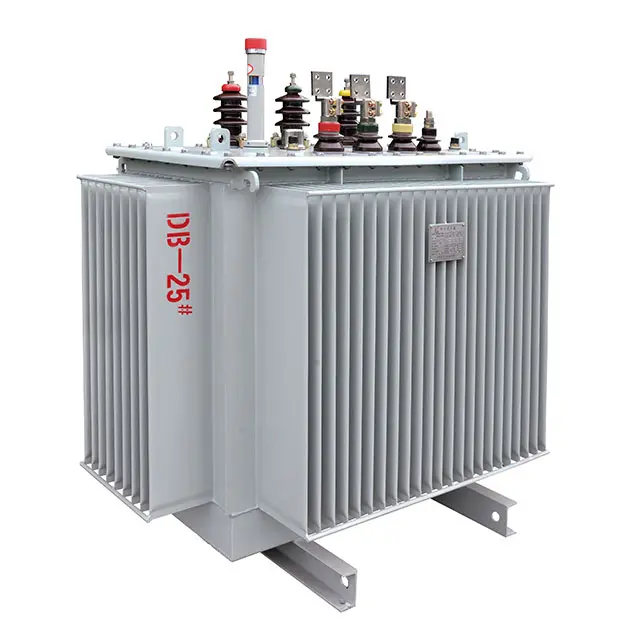
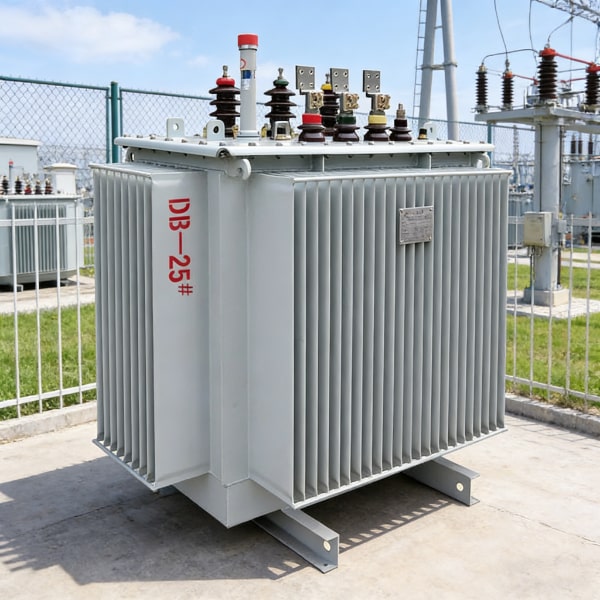
Moreover, distribution transformers are integral to the power distribution network because they are placed close to the point of use, which minimizes losses that can occur during electricity transmission. They are designed to handle diverse loads while maintaining optimal performance. A common type of distribution transformer is the pole-mounted transformer, which is typically installed on utility poles. Alternatively, ground-mounted distribution transformers are placed in enclosures at ground level for urban distribution systems.
The operational characteristics of distribution transformers are equally important. They are usually designed to operate continuously with high efficiency and minimal losses. Understanding these characteristics helps utility companies and electrical engineers make informed decisions about the selection, deployment, and maintenance of distribution transformers within the power grid. In conclusion, the reliable operation of distribution transformers plays an instrumental role in the overall functioning of the electrical supply system.
Key Differences Between Power and Distribution Transformers
Power transformers and distribution transformers serve integral roles in the electrical power system, yet they differ significantly in several aspects, including power handling capacity, efficiency, installation location, and design considerations.
One of the primary differences lies in their power handling capacity. Power transformers are designed to handle high-voltage transmission levels, typically rated above 100 MVA (Mega Volt Amperes). These units are predominantly used in generating stations and substations, facilitating the transition of electricity from generation facilities to the transmission network. In contrast, distribution transformers operate at lower voltage levels, usually rated below 100 MVA, and are primarily utilized to deliver electricity to end users from the transmission system.
Efficiency is another critical factor distinguishing these two types of transformers. Power transformers generally exhibit high efficiency levels, often exceeding 98%, due to their operation under optimal loading conditions and continuous duty cycles. On the other hand, distribution transformers may have a slightly lower efficiency, typically in the range of 95% to 98%, reflecting their operation with varying loads and often under non-continuous usage.
The installation location further underscores the differences between the two. Power transformers are frequently situated within substations or large power plants, as they are engineered for outdoor use and are capable of enduring severe environmental conditions. Distribution transformers, however, are commonly found in residential or commercial settings, often mounted on utility poles or situated in underground vaults, necessitating a design conducive to urban environments.
Lastly, design considerations vary significantly. Power transformers are engineered with larger cores and thicker insulation to accommodate the high voltages they handle. In contrast, distribution transformers are comparatively lighter, featuring designs that focus on efficiency and ease of installation at lower heights.
In summary, understanding the key differences between power transformers and distribution transformers is essential for their effective application within the energy distribution network.
Types of Power Transformers
Power transformers are essential components in electrical distribution systems, designed to manage voltage levels and facilitate electricity transfer across vast distances. These transformers are categorized into various types based on their construction, operation, and application. The primary types include single-phase and three-phase transformers, each serving distinct roles in power distribution networks.
Single-phase power transformers are suitable for residential and small commercial applications. They utilize two windings, the primary and secondary, which handle power levels typically up to 200 kVA. These transformers are effective for supplying power to individual homes or small manufacturing units, delivering stable voltage for lighting and light machinery.
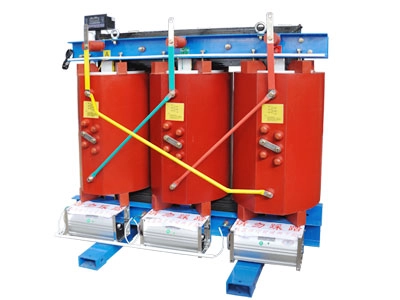
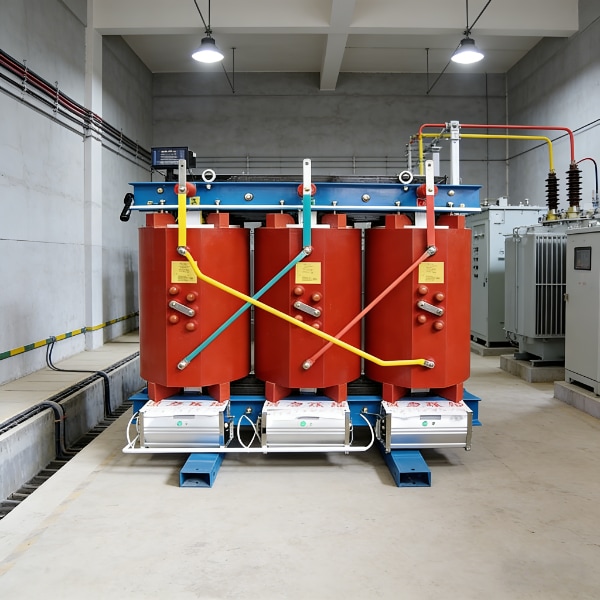
On the other hand, three-phase transformers are more prevalent in industrial settings and large-scale distribution systems. These transformers consist of three sets of windings, allowing them to handle higher loads efficiently. By distributing power evenly across three phases, they minimize losses and improve system reliability. Three-phase transformers can range in capacity from several hundred kVA to several hundred MVA, making them vital in substations and large power plants.
Another essential category is the auto-transformer, which differs from traditional transformers in its construction. Auto-transformers have a single winding that serves as both the primary and secondary winding, providing voltage transformation in a more compact design. They are particularly beneficial in applications where small voltage adjustments are required, such as in traction systems for railways or in connection with power distribution systems.
Specialized designs, such as isolation transformers and instrument transformers, also exist. Isolation transformers are used to separate circuits for safety and reduce electrical noise, while instrument transformers such as current and voltage transformers are employed to provide precise measurements in power systems. Each of these transformer types plays a critical role in ensuring efficient and reliable power distribution across various applications.
Types of Distribution Transformers
Distribution transformers play a crucial role in the electrical grid, facilitating the delivery of electricity from transmission lines to end-users. There are several common types of distribution transformers, each designed for specific applications and environments.
One prevalent type is the pole-mounted transformer. This transformer is typically installed on utility poles and is advantageous for areas with limited space. Pole-mounted transformers are often used in residential neighborhoods, ensuring that electricity reaches homes and small businesses efficiently. They are relatively easy to install and maintain, making them a popular choice for utility companies.
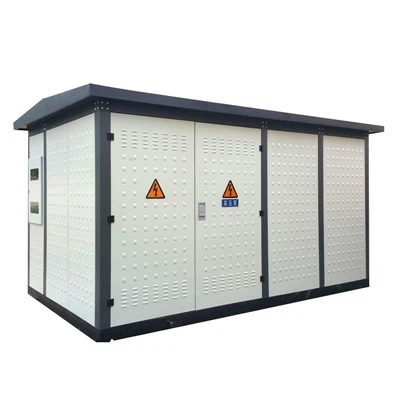
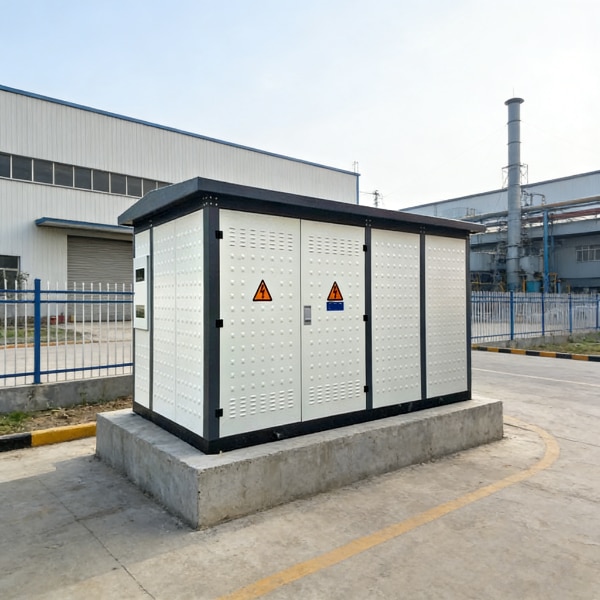
Another common variant is the pad-mounted transformer. Unlike pole-mounted versions, pad-mounted transformers are placed on a cement pad at ground level, allowing for easy access while minimizing visual impact. These transformers are frequently utilized in urban areas where underground wiring is present. Their design helps to provide safety and protection against environmental factors such as weather and vandalism.
Underground transformers are also critical in urban settings, buried beneath the ground to provide power without necessitating overhead lines. This design is particularly beneficial in densely populated areas where aesthetics and space constraints are significant concerns. Underground transformers are often used in commercial applications and large residential complexes, offering a reliable method of distributing electricity to a multitude of users.
When selecting the appropriate type of distribution transformer, it is essential to consider the specific application and environmental conditions. Each transformer type has unique features that make it well-suited for particular situations, ensuring that they can effectively manage load demands and contribute to a reliable power distribution network.
Importance of Transformers in the Power Industry
The role of transformers, particularly power transformers and distribution transformers, is foundational within the power industry. These devices are critical for the effective transmission and distribution of electricity across various network levels. Power transformers are designed to handle high voltage levels and facilitate long-distance transmission, ensuring minimal energy loss during transmission from generation sites to substations. Their ability to convert voltage levels makes them indispensable for creating a stable electrical infrastructure.
Moreover, distribution transformers play a pivotal role in stepping down the voltage to suitable levels for consumers. They are typically situated close to end users, ensuring that electricity is delivered safely and efficiently for residential and commercial use. As a result, these transformers contribute significantly to the reliability of power supply systems, allowing businesses and households to access energy as needed without interruption.
Furthermore, the integration of transformers within the power grid supports energy conservation efforts. By using efficient transformer technology, energy losses during transmission can be minimized, leading to a reduction in the overall demand for power generation resources. This is particularly critical in today’s context of increasing energy demands and the need for sustainable practices. Additionally, advances in transformer technology, such as the use of smarter grid systems, enhance operational effectiveness by improving monitoring and control of electricity flow.
In conclusion, the importance of transformers in the power industry cannot be overstated. Their contributions to the efficiency, stability, and reliability of power supply systems are vital to meeting the growing demands for energy in an increasingly complex and interconnected world.
Safety and Maintenance of Transformers
The safe operation of power transformers and distribution transformers is paramount in ensuring both employee safety and efficient system performance. Transformers are complex electrical devices that, if not properly maintained, can pose risks such as electrical faults, fires, and equipment damage. Regular maintenance and monitoring are essential practices that can greatly enhance the reliability and longevity of these transformers.
One of the primary safety considerations is to ensure that all transformers are installed according to regulatory standards and manufacturer guidelines. Proper grounding, insulation, and protection against overloads are critical to mitigate electrical hazards. Additionally, maintaining appropriate environmental conditions, such as temperature and humidity levels, can prevent failures related to overheating or moisture ingress.
Inspection routines should focus on checking the physical condition of the power and distribution transformers. This includes monitoring for oil leaks, corrosion, and signs of wear or damages on transformer components. Common issues can arise from insulation breakdown or contamination of the insulating oil, which can lead to severe operational failures. Conducting regular diagnostic tests, including partial discharge testing and transformer sweep frequency response, is recommended to detect potential problems early.
Moreover, the operational environment plays a significant role in transformer health. It is crucial to keep the area around power and distribution transformers clear of debris and vegetation. Implementing a schedule for cleaning and vegetation control can help in mitigating external risks. To ensure optimal performance, maintaining proper fluid levels and responding promptly to oil sampling and analysis results is also advisable. These measures, combined with a structured maintenance program, can significantly contribute to the safety and operational efficiency of power transformers and distribution transformers.
Conclusion and Future Trends
In conclusion, the distinction between power transformers and distribution transformers is essential for understanding their roles within electrical networks. Power transformers primarily function in transmission systems, handling high-voltage electricity over long distances, which ensures minimal energy loss. In contrast, distribution transformers are designed to reduce voltage to usable levels for effective distribution to residential and commercial consumers.
Throughout this blog post, we have highlighted the key features that differentiate these two types of transformers, such as their design, applications, and operational efficiencies. Notably, while power transformers often exhibit higher ratings and longer operational lifespans, distribution transformers are generally more compact and are of crucial importance in the last mile of electricity supply.
As we look to the future, several trends are shaping the evolution of transformer technology. One prominent direction is the increasing emphasis on energy efficiency. Modern transformers are being engineered to minimize losses associated with resistance and heat, which not only reduces operational costs but also advances sustainability goals in the energy sector. The incorporation of smart grid technologies is another evolution gaining momentum. These systems utilize advanced communication and monitoring technologies to optimize transformer performance, manage loads more efficiently, and enhance the reliability of electricity supply.
Furthermore, ongoing research and innovation in materials science may lead to the development of superior insulation materials and more efficient conductors, ultimately improving the performance of both power transformers and distribution transformers. As the electrical landscape continues to evolve with the integration of renewable energy sources and a growing demand for electricity, the importance of efficient and reliable transformers will remain a critical factor for ensuring a robust energy infrastructure.