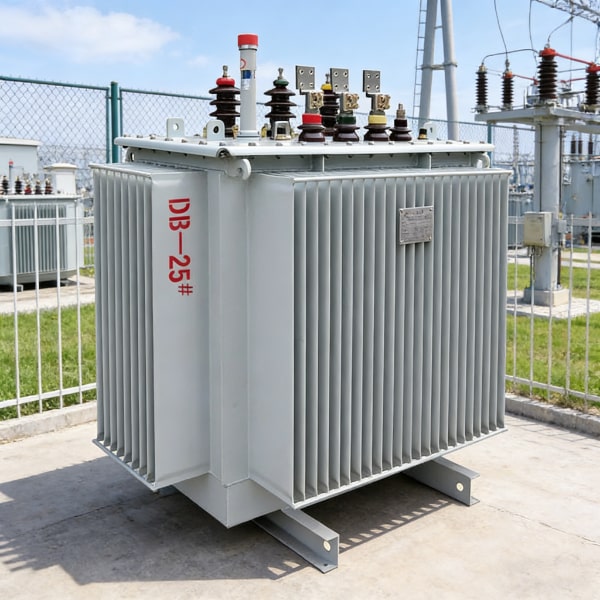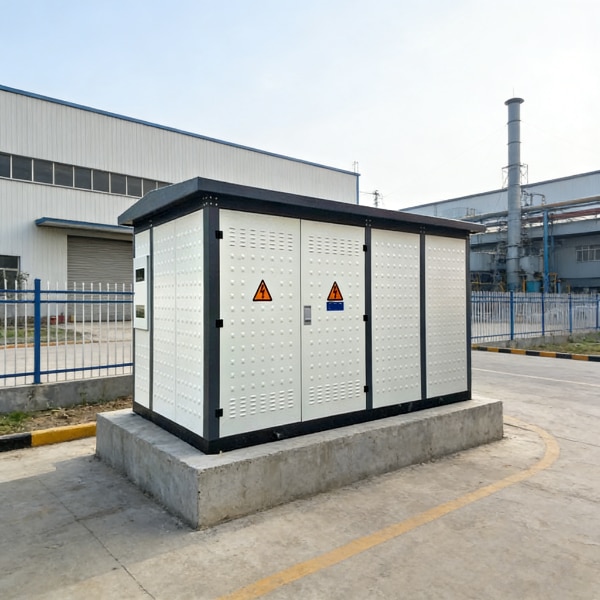
Spain’s robust infrastructure development, rapid urbanization, and continuous modernization of its electrical grid have created an unprecedented demand for reliable, high-performance electrical distribution systems. As Spanish cities expand and the industrial landscape evolves, the focus on indoor safety, operational efficiency, and strict environmental compliance has grown significantly. For professionals in the electrical sector, including engineering, procurement, and construction (EPC) firms, understanding the complex procurement landscape is absolutely essential. This comprehensive guide provides deep, actionable insights into sourcing high-quality equipment directly from an experienced Dry-type Transformer manufacturer, ensuring that your commercial and industrial projects meet the stringent technical and regulatory requirements of the Spanish market.
Market Overview: Spain Industry Demand and Infrastructure Growth
The Spanish market has witnessed a massive surge in the construction of modern commercial centers, advanced healthcare facilities, cutting-edge data centers, and towering high-rise buildings. These highly specialized, densely populated environments demand electrical infrastructure that prioritizes absolute fire safety and uncompromising environmental protection. Traditional outdoor power distribution units, which rely on flammable cooling liquids, are fundamentally unsuitable for these sensitive indoor applications due to strict municipal fire codes, elevated insurance premiums, and the severe need to mitigate catastrophic environmental risks.
Consequently, there has been a pronounced, industry-wide shift toward the adoption of inherently fire-resistant and absolutely pollution-free electrical solutions across the Iberian Peninsula. The rigorous regulatory frameworks established within the European Union, which Spain strictly and proactively enforces, mandate the deployment of electrical equipment that completely eliminates the risk of toxic oil spills, groundwater contamination, and hazardous emissions during thermal events. This demanding regulatory environment has actively driven local distributors, wholesale partners, and large-scale engineering firms to seek long-term, strategic partnerships with a highly reliable Power Transformer supplier capable of consistently delivering technologically advanced indoor distribution solutions.
Moreover, the accelerated rise of smart city initiatives and the exponential expansion of the digital economy in metropolitan regions like Madrid, Barcelona, Valencia, and Seville have dramatically increased the baseline need for exceptionally stable, uninterrupted power distribution. Modern data centers, in particular, require continuous, highly reliable power networks without the introduction of any operational fire hazards. This rapidly growing demand heavily underscores the critical importance of comprehensively understanding both the granular technical parameters and the broader commercial aspects of procuring specialized, high-grade electrical equipment tailored specifically for the Spanish market’s unique requirements.
Product Type Introduction: Advanced Cast Resin Technology
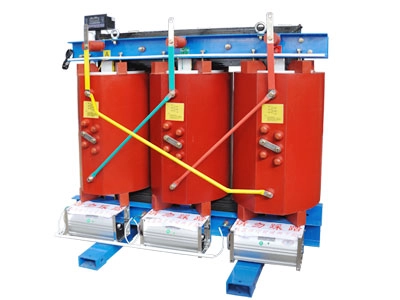
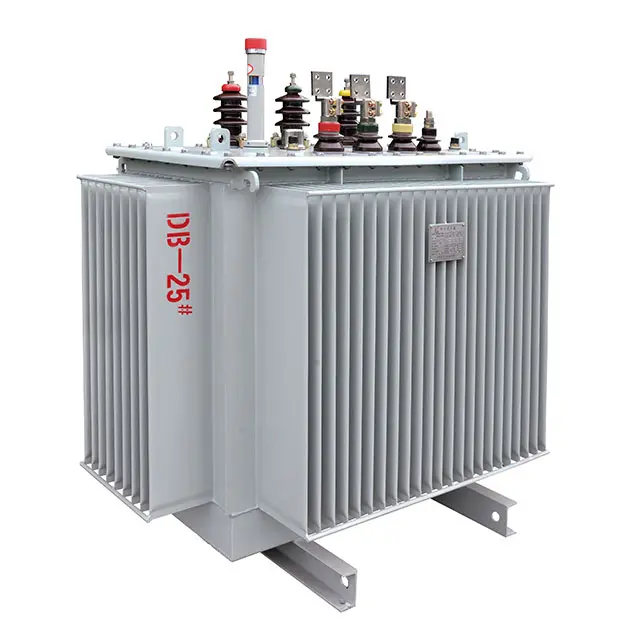
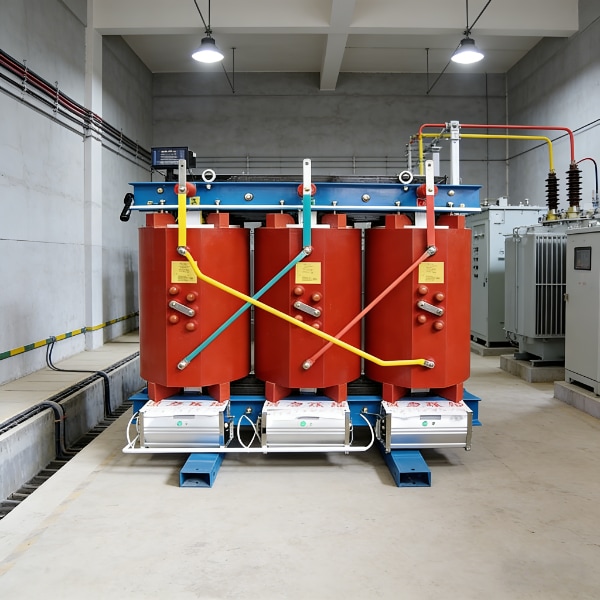
Understanding the fundamental technological differences in power distribution equipment is the first step toward successful procurement. Unlike the conventional Oil-immersed Transformer, which utilizes combustible liquid coolants for thermal management and dielectric insulation, the modern, highly engineered Dry-type Transformer relies entirely on advanced cast resin technology. This innovative design paradigm fundamentally and permanently changes the safety profile and operational dynamics of the equipment. The critical high-voltage and low-voltage electrical windings are meticulously encapsulated in a high-grade epoxy resin mixture under strict vacuum conditions, creating a completely solid, completely moisture-proof, and structurally robust monolithic core.
One of the most absolutely critical features of this sophisticated technology is the implementation of the Class F insulation system. This high-grade, thermally resilient insulation allows the equipment to safely and continuously withstand elevated operating temperatures while maintaining excellent, uncompromising dielectric strength over decades of continuous use. The complete absence of any flammable dielectric liquids means the equipment is inherently and permanently fire-resistant, naturally explosion-proof, and totally pollution-free. In the highly unlikely event of a severe external facility fire, the specialized cast resin simply does not support active combustion, nor does it emit dangerous, life-threatening toxic gases, making it the only logically and legally viable choice for densely populated indoor environments, subterranean subways, and critical airport terminals.
Additionally, the incredibly solid physical construction provides exceptional, long-lasting mechanical strength, enabling the internal coil structures to easily endure the sudden, massive electro-dynamic forces generated during severe short-circuit fault conditions. The inherently maintenance-free nature of this solid insulation architecture also significantly reduces long-term operational expenditures, eliminating the need for costly fluid sampling, dissolved gas analysis, and fluid filtration—a crucial financial factor for facility managers, municipal operators, and building owners operating across Spain.
Technical Selection Guide: Matching Specifications to Spanish Grid Requirements
Selecting the precise and correct technical specifications is absolutely paramount for ensuring maximum operational efficiency, total grid compatibility, and long-term asset reliability. When actively consulting with an experienced, factory-direct Power Transformer manufacturer, B2B buyers and electrical engineers must carefully, systematically evaluate several key performance parameters tailored explicitly to their specific project application.
Rated Capacity (30kVA to 2500kVA): The available, standardized capacity for these indoor units strictly ranges from a compact 30kVA up to a massive 2500kVA. Smaller capacities, typically in the 30kVA to 400kVA range, are generally deployed in localized commercial retail settings, small educational facilities, or specific isolated factory workshops. Conversely, the larger capacities, scaling up to the maximum 2500kVA threshold, are absolutely essential for powering massive high-rise office buildings, sprawling regional hospitals, and extensive, energy-hungry data centers where the baseline power demands are exceptionally substantial and continuous.
Voltage Configuration (6kV, 10kV / 0.4kV): To perfectly align with the established Spanish medium-voltage electrical distribution network, the primary high-voltage side is generally engineered and configured for either 6kV or 10kV inputs. Simultaneously, the secondary low-voltage side is strictly standardized at the European norm of 0.4kV for direct, safe end-user utilization. This precise, highly engineered voltage matching ensures absolute optimal electrical efficiency and guarantees minimal thermal energy loss during the critical step-down transformation process.
Cooling Methods (AN and AF): Two primary, highly effective cooling methods are utilized in these systems: Air Natural (AN) and Air Forced (AF). Under the standard AN cooling protocol, the equipment operates safely at its nominal, 100% rated capacity relying entirely on natural ambient thermal convection. However, when the system is equipped with advanced AF cooling systems—comprising intelligent, temperature-controlled forced-air fans—the total power output capacity can be safely and temporarily increased to handle unexpected peak load demands without ever compromising the critical Class F insulation integrity.
Connection Groups and Impedance (4% – 6%): Standard European connection vector groups, specifically Yyn0 and Dyn11, are meticulously employed based on the specific facility grounding requirements and harmonic mitigation needs of the installation site. The Dyn11 configuration, for instance, is highly preferred for trapping zero-sequence harmonic currents generated by modern non-linear loads. Furthermore, a precise short-circuit impedance strictly calibrated between 4% and 6% is engineered directly into the core design to effectively limit catastrophic fault currents, thereby fully protecting all downstream electrical components and sensitive digital equipment.
Certification Requirements for the Spanish and European Markets
Successfully entering and operating within the highly regulated Spanish market requires absolute, strict adherence to comprehensive European Union certification standards. For professional B2B buyers, distributors, and importers, rigorously verifying these essential credentials is a completely non-negotiable step in the diligent procurement process. Any standard Power Transformer legally imported into the Kingdom of Spain must prominently carry the official CE mark, clearly indicating full, verified compliance with all essential European health, safety, and environmental protection directives, specifically including the Low Voltage Directive and the Electromagnetic Compatibility Directive.
Moving beyond the mandatory CE mark, strict compliance with the globally recognized IEC 60076 series of standards is absolutely critical for establishing technical credibility. These comprehensive international standards dictate the rigorous, uncompromising testing protocols required for verifying temperature rise limits, verifying absolute dielectric strength, and ensuring acceptable operational sound levels. A highly reputable, globally focused manufacturer will always provide comprehensive, transparent type test reports generated by accredited, independent third-party testing laboratories to definitively validate these crucial performance metrics.
Additionally, the actual manufacturing facility itself must operate continuously under the strict guidelines of ISO 9001 quality management systems. This vital certification ensures that the entire production process—ranging from the initial raw material selection (such as the high-grade epoxy resin and the pure copper or aluminum winding conductors) all the way to the final factory assembly and testing—is consistently monitored, fully documented, and strictly controlled. Environmental management certifications, such as the widely respected ISO 14001, also add immense value by clearly demonstrating the manufacturer’s long-term corporate commitment to sustainable, low-impact production practices.
Procurement Process and Wholesale Commercial Strategies
Establishing a highly streamlined, deeply efficient procurement process is absolutely essential for regional distributors, procurement managers, and large-scale project developers. The procurement journey typically begins with an exhaustive, highly detailed technical consultation designed to perfectly align the specific project requirements with the appropriate equipment specifications. Direct, transparent communication with the actual factory engineering team ensures that every single technical parameter, from the precise 30kVA to 2500kVA capacity range to the specific Air Natural or Air Forced cooling method, is accurately defined, documented, and agreed upon prior to manufacturing.
For standard commercial projects or initial pilot installations, the factory’s Minimum Order Quantity (MOQ) policy is typically set at a highly accessible, risk-free 1 unit minimum. However, for established regional distributors actively engaging in high-volume Power Transformer wholesale operations, highly structured, tiered bulk procurement agreements are readily available. These strategic, volume-based commercial arrangements provide significant, measurable financial advantages, effectively optimizing the overall Power Transformer price, reducing per-unit shipping burdens, and substantially improving the net profit margins for the local Spanish distributor.
Payment terms in secure international B2B transactions are generally, conventionally structured around standard Telegraphic Transfer (T/T) or secure Letter of Credit (L/C) instruments. A highly standard, industry-accepted approach involves a preliminary financial deposit (often around 30%) to officially initiate the custom manufacturing process, with the remaining balance securely cleared upon the final presentation of the official shipping documents and factory testing reports. This mutually secure, highly transparent financial framework actively protects both the Spanish buyer and the international manufacturer, fostering a deeply trustworthy, highly profitable long-term commercial partnership.
Logistics, Packaging, and Shipping to Spain
The physical, international transportation of extremely heavy, highly sensitive electrical equipment from the primary manufacturing facility directly to the Spanish installation site requires incredibly meticulous, professional logistical planning. Because the advanced cast resin coils are inherently sensitive to severe mechanical impacts and sudden physical shocks during long-distance transit, highly specialized, custom-engineered packaging is absolutely mandatory. The completed equipment is typically secured tightly to a heavy-duty base skid and fully enclosed in moisture-proof, impact-resistant wooden crates that strictly meet all ISPM 15 international phytosanitary standards for global sea freight.
Large-scale commercial shipments bound for Spain usually arrive safely at major, highly equipped commercial shipping ports such as the Port of Valencia, the Port of Barcelona, or the Port of Algeciras. Proactively coordinating with highly experienced, specialized freight forwarders ensures that the heavy cargo is handled correctly, utilizing the designated lifting lugs and strictly adhering to the calculated center of gravity during all complex loading and unloading operations. B2B buyers and import managers must also meticulously prepare all necessary import documentation well in advance of the vessel’s arrival.
The essential, legally required customs documents generally include the detailed Commercial Invoice, the comprehensive Packing List, the official Bill of Lading, the stamped Certificate of Origin, and the all-important CE Declaration of Conformity. Ensuring that every single one of these critical documents is absolutely accurate, complete, and readily available prevents highly costly, time-consuming delays at the strict Spanish customs checkpoints and rapidly expedites the final inland delivery to the final installation site, whether that site is a cutting-edge hospital in central Madrid or a sprawling new commercial retail center in sunny Seville.
Comprehensive After-Sales Support and Technical Maintenance
A fundamentally critical, non-negotiable component of any successful B2B procurement strategy is the absolute assurance of robust, highly responsive after-sales support. While the advanced cast resin design is intrinsically and famously low-maintenance—especially when directly compared to traditional liquid-filled alternatives—having professional, accessible technical backing remains absolutely essential for long-term peace of mind. A highly standard, industry-leading quality assurance period of exactly 12 months is typically provided by the factory, comprehensively covering any highly unlikely manufacturing defects or operational anomalies.
During the highly critical initial installation and commissioning phase, immediate access to comprehensive, multi-language technical manuals and remote, expert engineering guidance ensures that the sophisticated equipment is energized safely and correctly. The proper, verified installation of the auxiliary temperature control systems, the PT100 thermal sensors, and the forced-air cooling fans is absolutely vital for maximizing the operational lifespan and thermal efficiency of the entire unit.
Furthermore, a truly reliable, globally minded manufacturer always maintains a highly structured, well-stocked spare parts policy. Should any minor auxiliary components, such as the AF cooling fans or the digital temperature controllers, require rapid replacement due to standard operational wear, prompt international availability and expedited shipping are fully guaranteed. This exceptionally high level of dedicated, ongoing support drastically minimizes facility downtime and permanently ensures the continuous, absolutely safe operation of the Spanish facility’s critical electrical distribution network.
Strategic Supplier Selection Recommendations for Spanish Importers
For Spanish engineering businesses, wholesale electrical distributors, and large-scale EPC contractors, selecting the absolute right international manufacturing partner is a highly strategic, long-term business decision that extends far beyond merely comparing basic technical specifications on a datasheet. The truly ideal factory partner operates actively as a comprehensive, highly invested technical solutions provider rather than just a simple, transactional vendor of raw hardware.
When carefully evaluating potential international partners, procurement teams should heavily prioritize those factories with deeply proven, extensively documented expertise specifically in the required 30kVA to 2500kVA capacity range and the advanced Class F cast resin insulation technology. Establishing direct, unfiltered factory relationships completely eliminates unnecessary intermediary financial markups and provides invaluable, direct access to the core engineering and design team. This direct line of highly technical communication is absolutely invaluable when customizing specialized units for highly complex, highly regulated applications like subterranean metropolitan subway systems, heavily secured national data centers, or critical healthcare infrastructure.
Additionally, forward-thinking buyers should carefully consider the specific manufacturer’s verified capacity for Original Equipment Manufacturer (OEM) or Original Design Manufacturer (ODM) services. Ambitious Spanish distributors actively looking to build, expand, and solidify their own proprietary brand presence within the lucrative Iberian market can strategically leverage these highly flexible OEM/ODM services to reliably supply high-quality, fully customized equipment under their own established corporate label. Ultimately, forging a strong, deeply integrated, and highly communicative partnership with a dedicated, professional Dry-type Transformer manufacturer ensures a highly reliable supply chain, absolutely consistent product quality, and a massive, sustainable competitive edge in the highly dynamic, rapidly expanding Spanish electrical equipment market.