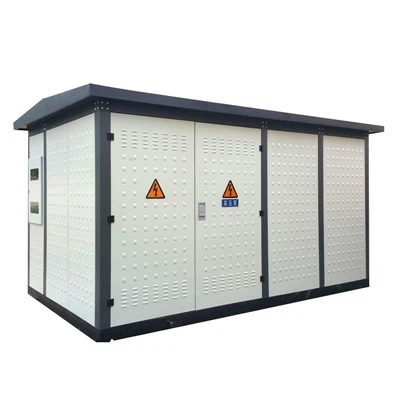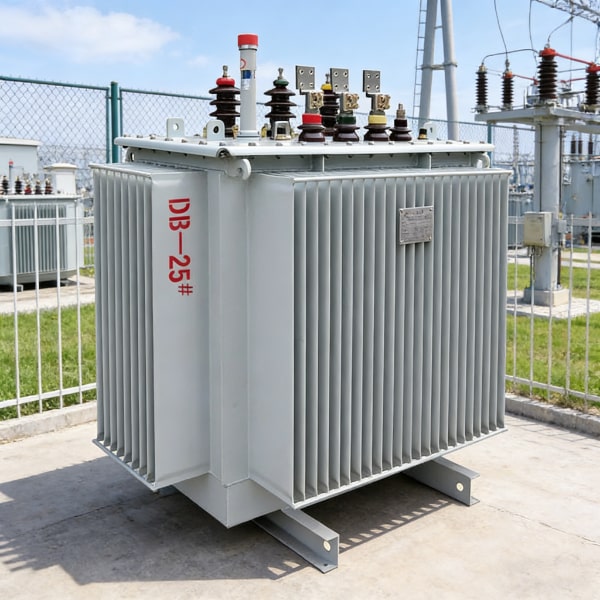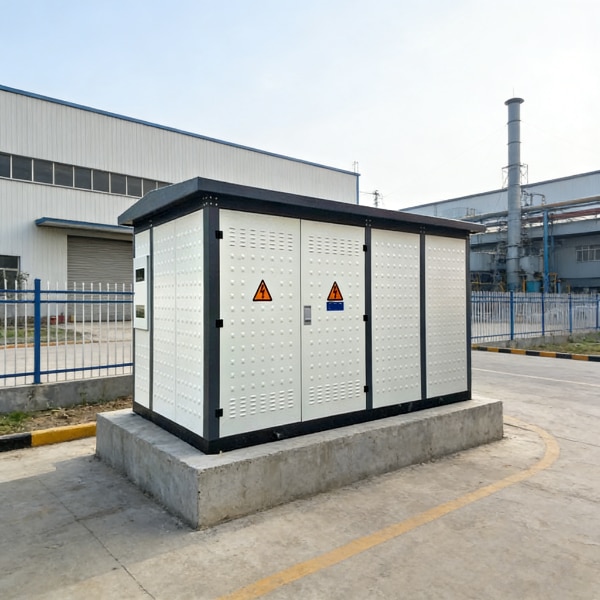
Canada’s expanding industrial and commercial sectors drive consistent demand for reliable power distribution infrastructure. Manufacturing facilities, commercial developments, and resource extraction operations require robust electrical systems capable of supporting demanding operational requirements. This comprehensive technical guide addresses power transformer installation requirements for Canadian industrial applications, providing facility managers, electrical contractors, and project engineers with essential guidance for successful project implementation.
Canada’s Industrial Landscape
Canada’s industrial sector represents one of the largest economies in North America, with significant activity in manufacturing, mining, oil and gas, and commercial construction. The country’s GDP heavily relies on natural resource extraction and processing, creating substantial demand for heavy electrical infrastructure including power transformers capable of handling industrial loads.
Ontario, Quebec, Alberta, and British Columbia host the majority of Canada’s manufacturing capacity, with each province maintaining distinct electrical code requirements. Resource extraction operations across northern territories require specialized electrical infrastructure capable of operating in extreme climate conditions. Understanding these regional variations helps project planners specify appropriate transformer solutions.
Canadian industrial facilities increasingly focus on energy efficiency and sustainability, driving adoption of modern transformer technologies that minimize energy losses. Government incentives for industrial energy efficiency improvements create additional motivation for facilities to upgrade aging electrical infrastructure with contemporary transformer solutions.
Industry-Specific Requirements
Different industrial sectors in Canada have specific transformer requirements based on operational characteristics, environmental conditions, and regulatory requirements. Understanding these sector-specific needs helps ensure appropriate equipment selection.
Manufacturing Facilities
Canadian manufacturing facilities span automotive parts production, aerospace manufacturing, food processing, and industrial equipment fabrication. These operations require transformers capable of supporting continuous production loads with high reliability. Typical capacity requirements range from 500kVA to 5000kVA depending on facility size and operational intensity.
Manufacturing environments often present challenges including temperature variations, dust exposure, and vibration. Transformer selection should consider these environmental factors, with appropriate enclosure ratings and cooling systems to ensure reliable operation throughout the equipment lifecycle.
Mining Operations
Canada’s mining sector, particularly in Ontario, Quebec, and northern territories, requires robust electrical infrastructure capable of supporting heavy machinery and processing equipment. Mining operations often operate in remote locations with limited grid access, requiring self-contained power distribution solutions.
The Power Transformer for mining applications must withstand demanding environmental conditions including temperature extremes, humidity, and potentially explosive atmospheres in certain mining environments. Equipment specifications should address these challenges through appropriate enclosure ratings and protective features.
Oil and Gas Facilities
Alberta’s oil and gas industry creates substantial demand for electrical infrastructure, including transformers capable of supporting extraction, processing, and pipeline operations. These facilities often require transformers with enhanced protection features for operation in potentially hazardous atmospheres.
Processing facilities typically require high-capacity transformers with reliable performance under continuous operation. The remote nature of many facilities emphasizes the importance of equipment reliability and maintenance accessibility.
Commercial Developments
Canadian commercial developments, including office towers, shopping centers, and mixed-use complexes, require reliable power distribution systems to support diverse tenant needs. Urban developments often face space constraints requiring careful transformer selection and installation planning.
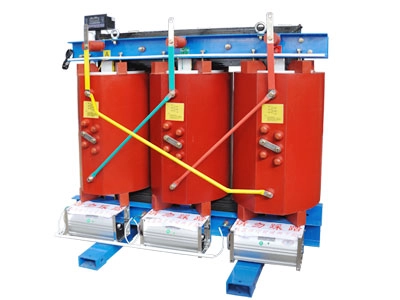
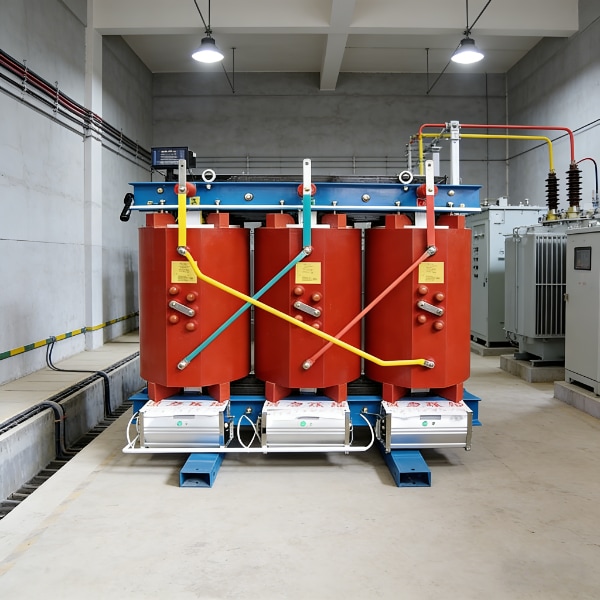
High-rise buildings may benefit from Dry-type Transformer solutions for indoor installations where fire safety is paramount. These units eliminate fire risks associated with oil-filled alternatives while providing reliable performance for commercial applications.
Technical Specifications for Canadian Applications
Power transformers deployed in Canadian industrial applications must meet specific technical parameters ensuring compatibility with local grid infrastructure and operational reliability under national conditions. The following specifications represent typical requirements for Canadian industrial installations.
| Parameter | Specification |
| Rated Capacity | 50kVA – 5000kVA |
| High-voltage Side | 6kV, 10kV, 35kV |
| Low-voltage Side | 0.4kV, 10kV |
| Connection Group | Yyn0, Dyn11, Yd11 |
| Cooling Method | ONAN (Natural), ONAF (Forced Air) |
| Insulation Class | Class A |
| Short-circuit Impedance | 4% – 6% |
These specifications ensure compatibility with Canadian electrical distribution systems, which operate at standard frequencies and voltages consistent with North American practices. Transformers should meet applicable CSA (Canadian Standards Association) certification requirements for sale and installation in Canada.
Application Scenarios
Power transformers serve diverse applications across Canadian industrial sectors, with each application presenting unique requirements and considerations. Understanding typical application scenarios helps specify appropriate equipment for specific projects.
Primary Distribution: Large industrial facilities often receive power at medium voltage (typically 13.8kV or 27.6kV in Canada) and require step-down transformers to supply facility distribution systems. These primary distribution transformers typically feature capacities exceeding 2500kVA for large facilities.
Secondary Distribution: Commercial buildings and smaller industrial facilities may receive power at utilization voltages, requiring transformers for specific equipment or load segments. These secondary distribution applications typically utilize transformers in the 100kVA to 1000kVA range.
Motor Starting: Large motor loads may require dedicated transformers with specific impedance characteristics to manage starting currents. These applications require careful coordination between transformer specifications and motor starting requirements.
Power Factor Correction: Facilities with significant inductive loads may incorporate transformers with built-in correction capabilities or coordinate transformer selection with separate power factor correction equipment.
Installation Considerations
Successful transformer installation in Canadian industrial environments requires attention to multiple factors including physical location, environmental conditions, electrical connections, and safety requirements. Proper installation planning helps ensure optimal performance and regulatory compliance.
Location and Ventilation
Transformer installation locations must provide adequate ventilation for cooling purposes. Indoor installations require sufficient clearance around transformer units to allow air circulation and heat dissipation. Outdoor installations should consider protection from environmental elements while maintaining adequate cooling.
Canadian climate conditions require particular attention to temperature extremes. Transformers installed in unconditioned spaces may experience wider temperature variations, affecting performance and longevity. Climate-appropriate installation practices help ensure reliable operation throughout seasonal temperature changes.
Electrical Connections
Proper electrical connections are critical for safe and reliable transformer operation. All connections should meet applicable Canadian Electrical Code requirements, with appropriate conductor sizing based on transformer current ratings. Connection points should be accessible for inspection and maintenance while preventing unauthorized access.
Grounding requirements must comply with Canadian electrical code provisions, ensuring proper system grounding for safety and operational performance. The Power Transformer supplier should provide grounding specifications appropriate for the specific installation.
Safety Requirements
Transformer installations must comply with workplace safety regulations applicable in the specific jurisdiction. This includes proper signage, access restrictions, and emergency procedures. Industrial installations may require additional safety features depending on the facility classification.
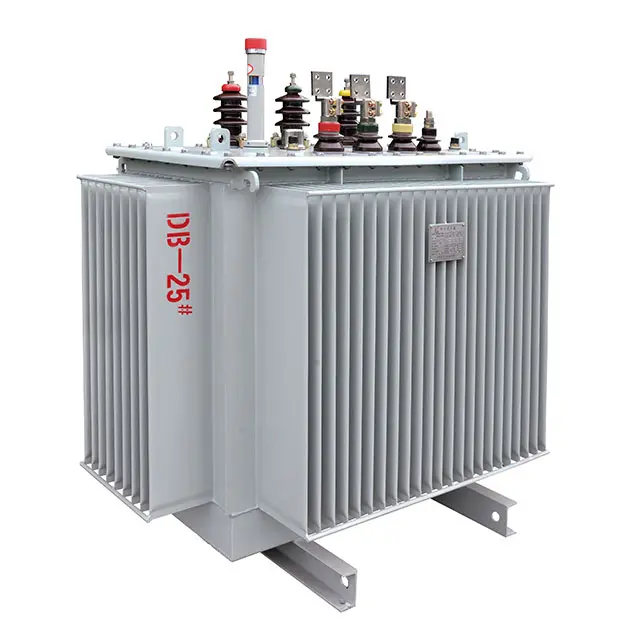
Fire safety considerations are particularly important for oil-immersed transformers. Installation should maintain appropriate clearances from combustible materials and incorporate fire detection and suppression measures as required by applicable codes.
Maintenance Recommendations
Ongoing maintenance ensures continued reliable transformer performance throughout the equipment lifecycle. Canadian industrial facilities should establish comprehensive maintenance programs addressing ongoing operational requirements.
Regular Inspections
Visual inspections should occur regularly, checking for signs of damage, oil leaks, or abnormal operating conditions. Thermal imaging surveys can identify hot spots indicating potential problems before they cause failures. The Power Transformer manufacturer typically provides inspection guidelines specific to the equipment model.
Canadian winter conditions require particular attention to cold-weather performance, checking for proper operation of heating elements and cold-start capabilities.
Testing and Diagnostics
Periodic electrical testing verifies proper transformer performance and insulation integrity. Testing programs should follow applicable industry standards and manufacturer recommendations. Oil analysis for liquid-filled transformers provides early warning of developing issues.
Documentation and Records
Comprehensive maintenance records support warranty claims, regulatory compliance, and equipment lifecycle planning. Documentation should include inspection results, testing data, maintenance activities, and any equipment modifications.
Working with Suppliers
Successful transformer procurement for Canadian industrial applications requires working with qualified suppliers capable of providing equipment meeting local requirements. B2B buyers should evaluate potential partners based on multiple criteria.
CSA certification ensures equipment meets Canadian safety standards required for legal installation. The Transformer factory should provide documentation demonstrating applicable certifications.
Technical support capabilities are particularly valuable for industrial applications with specific requirements. Suppliers with established North American presence can provide responsive support for Canadian customers.
Spare parts availability ensures prompt maintenance response when components require replacement. Establishing parts procurement relationships during initial equipment purchase facilitates future maintenance activities.
Conclusion
Canada’s industrial sector creates substantial demand for power transformer solutions across diverse applications. Successful project implementation requires understanding sector-specific requirements, technical specifications, and installation considerations unique to Canadian industrial environments.
Proper transformer selection and installation supports reliable facility operations while ensuring compliance with applicable Canadian codes and standards. Working with qualified suppliers simplifies procurement while ensuring access to equipment and support meeting project requirements.
Comprehensive maintenance programs protect transformer investments throughout operational lifecycles, minimizing downtime and maximizing return on equipment investments. Regular inspection, testing, and documentation support long-term operational reliability.
As Canadian industries continue expanding and modernizing, demand for quality power transformer solutions will remain strong. B2B buyers who develop comprehensive supplier relationships and installation expertise position themselves for successful project outcomes and long-term operational excellence.