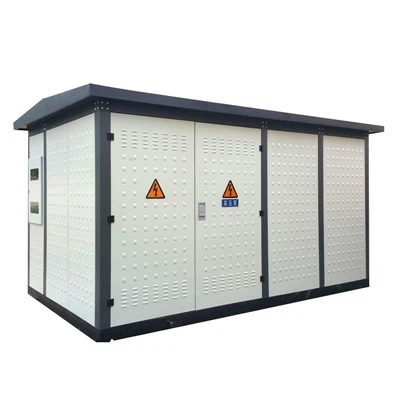
Pakistan’s electrical infrastructure represents one of the most dynamic markets in South Asia, driven by rapid industrialization, urban development, and sustained economic growth. As the sixth-largest country by population with a rapidly expanding manufacturing sector, Pakistan creates substantial demand for power distribution equipment across multiple industries. This comprehensive solution guide provides B2B buyers, industrial operators, and project developers with essential insights into power transformer solutions for Pakistani industrial applications, addressing technical requirements, application scenarios, and procurement strategies.
Customer Requirements Analysis
Industrial facilities in Pakistan face specific challenges when sourcing power distribution equipment. Understanding these requirements helps identify appropriate transformer solutions for various applications.
High Capacity Requirements: Manufacturing facilities in Pakistan, particularly in the textile, cement, steel, and automotive sectors, require high-capacity transformers capable of supporting heavy industrial loads. These operations demand reliable equipment capable of continuous operation under demanding conditions.
Grid Stability Concerns: Pakistan’s electrical grid experiences voltage fluctuations and load variations that require robust transformer equipment. The Power Transformer must be designed to handle these grid conditions while maintaining reliable performance.
Climate Considerations: Pakistan’s diverse climate, from hot coastal regions to cooler northern areas, requires transformers rated for specific environmental conditions. Equipment selection should consider temperature ranges, humidity levels, and dust exposure at installation locations.
Cost Efficiency: Pakistani industrial buyers prioritize cost-effective solutions that deliver reliable performance without excessive initial investment. The Power Transformer supplier should offer competitive pricing while maintaining quality standards.
Product Recommendation
Based on typical Pakistani industrial requirements, the following transformer solutions are recommended for various applications.
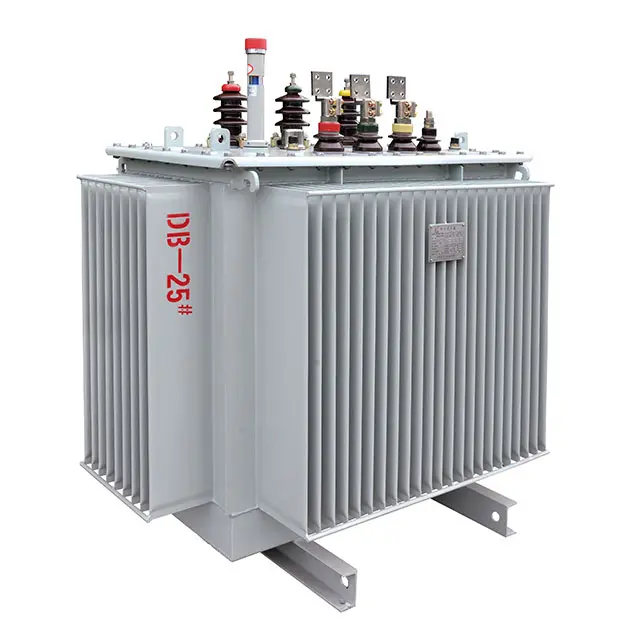
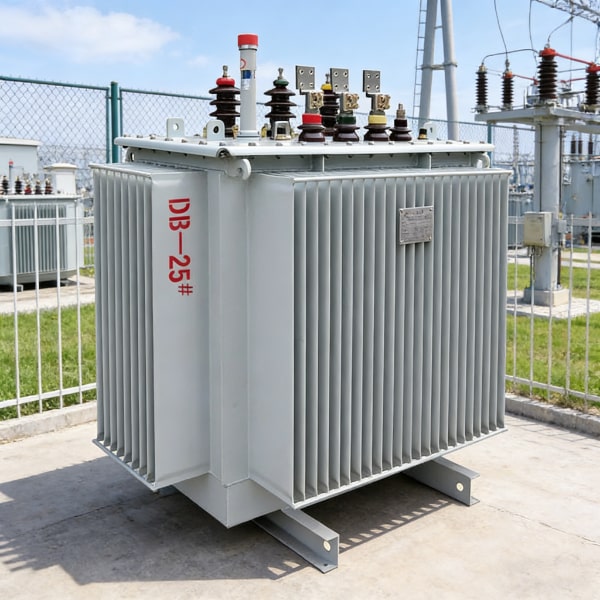
For general industrial applications, Oil-immersed Transformer solutions provide proven reliability and cost-effectiveness. These units offer robust construction suitable for outdoor installation and demanding industrial environments common throughout Pakistan.
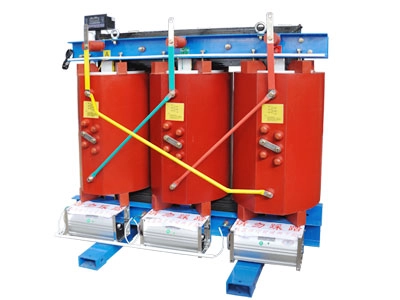
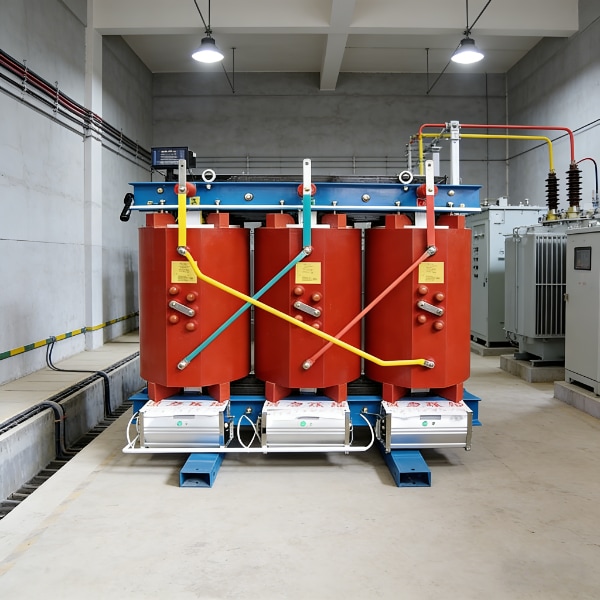
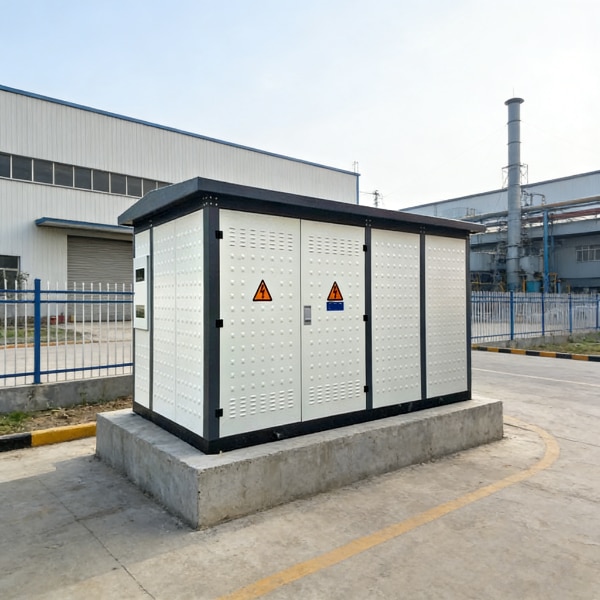
For facilities requiring enhanced fire safety or indoor installation, Dry-type Transformer alternatives provide appropriate solutions. These units eliminate fire risks associated with oil insulation while maintaining reliable performance characteristics.
For applications requiring maximum efficiency and reduced operational costs, high-efficiency transformer models offer advantages despite higher initial investment. These units provide superior performance throughout equipment lifecycle.
Product Comparison
Evaluating different transformer options helps buyers select appropriate solutions for specific applications.
| Characteristic | Oil-immersed | Dry-type |
| Initial Cost | Lower | Higher |
| Installation | Outdoor preferred | Indoor suitable |
| Maintenance | Regular oil service | Minimal |
| Fire Safety | Standard | Enhanced |
| Efficiency | High | Comparable |
| Lifespan | 25-30 years | 20-25 years |
This comparison helps industrial buyers evaluate options based on their specific application requirements, budget constraints, and operational priorities. The Transformer factory can provide detailed recommendations based on specific project requirements.
Implementation Plan
Successful transformer implementation requires systematic planning and execution across multiple phases.
Phase 1: Requirements Assessment: Conduct detailed analysis of facility power requirements, including connected loads, growth projections, and grid connection specifications. The Power Transformer manufacturer should provide engineering support for accurate sizing calculations.
Phase 2: Product Selection: Evaluate available options based on technical requirements, budget constraints, and supplier capabilities. Consider factors including efficiency ratings, maintenance requirements, and total cost of ownership.
Phase 3: Procurement and Delivery: Coordinate with supplier for manufacturing, testing, and delivery scheduling. Plan adequate lead time for international procurement typical in Pakistan’s transformer market.
Phase 4: Installation and Commissioning: Engage qualified electrical contractors for installation work. The Power Transformer wholesale network can recommend qualified installation partners in Pakistan.
Phase 5: Operational Support: Establish ongoing maintenance program and service support relationships for equipment lifecycle management.
Cost-Benefit Analysis
Evaluating transformer investments requires comprehensive analysis of costs and benefits across equipment lifecycle.
Initial Investment: Transformer purchase price represents only part of total cost of ownership. Installation, foundation, and connection work add significant costs to project budgets.
Operational Costs: Energy losses in transformers represent ongoing operational expenses throughout equipment life. Higher efficiency models reduce these losses despite higher initial purchase prices.
Maintenance Expenses: Oil-immersed transformers require periodic oil testing and servicing, while dry-type units have minimal maintenance requirements. Factor these ongoing costs into investment decisions.
Downtime Costs: Equipment failures cause production losses exceeding simple repair costs. Reliability should factor significantly into transformer selection for critical industrial applications.
The Power Transformer supplier can provide detailed lifecycle cost analysis to support informed procurement decisions.
Technical Support
Comprehensive technical support ensures successful transformer implementation and reliable long-term performance.
Engineering Support: The Transformer manufacturer should provide engineering consultation for proper transformer sizing, specification selection, and installation planning.
Testing Services: Factory testing validates transformer performance before shipment. Additional on-site testing verifies installation quality and ensures proper operation.
Training Programs: Operator training ensures proper equipment operation and helps identify maintenance requirements. The Power Transformer supplier should offer training programs for facility personnel.
Spare Parts Availability: Maintaining inventory of critical spare parts ensures rapid response to maintenance requirements. Establish spare parts supply relationships during initial procurement.
Conclusion
Pakistan’s industrial sector creates substantial demand for power transformer solutions. With diverse application requirements across manufacturing, commercial, and infrastructure sectors, the market offers substantial opportunities for qualified suppliers.
Successful procurement requires systematic evaluation of technical requirements, careful product selection, and established supplier relationships. Industrial buyers who invest in thorough planning position themselves for successful project outcomes.
The Power Transformer supplier with established presence in Pakistan offers competitive advantages in terms of product availability, technical support, and service. B2B buyers developing relationships with experienced providers ensure reliable equipment supply for their operations.
As Pakistan continues industrializing and expanding electrical infrastructure, demand for quality transformer solutions will remain strong. The Transformer factory offering solutions designed for Pakistani market requirements helps ensure successful project outcomes.