Brazil’s electrical infrastructure sector represents one of the largest and most dynamic markets in Latin America. With a population exceeding 200 million and an economy focused on manufacturing, mining, agriculture, and energy production, Brazil creates substantial demand for power distribution equipment including oil-immersed transformers. This comprehensive market guide provides B2B buyers, distributors, and industrial operators with essential insights into the Brazilian transformer market, including market dynamics, application sectors, regulatory requirements, and partnership opportunities.
Market Size and Growth Trends
Brazil’s power transformer market has experienced steady growth driven by multiple factors including grid expansion, industrial development, and renewable energy integration. The country’s electricity sector serves as the backbone of Latin America’s largest economy, requiring substantial investment in distribution infrastructure to meet growing demand.
The Brazilian electricity market operates under regulatory frameworks managed by ANEEL (National Agency of Electrical Energy), which establishes technical standards and tariff structures affecting transformer procurement. Grid modernization initiatives continue driving demand for upgraded distribution equipment across both utility and industrial sectors.
Renewable energy expansion, particularly solar and wind power installations, creates additional demand for transformer solutions. These installations require specialized transformers for grid integration, presenting opportunities for suppliers offering products designed for renewable applications.
Main Application Areas
Oil-immersed transformers serve diverse applications throughout Brazil’s electrical infrastructure. Understanding these application areas helps B2B buyers identify suitable product categories and specifications for their procurement activities.
Industrial Facilities
Brazil’s industrial sector, including automotive manufacturing, steel production, food processing, and petrochemical operations, requires reliable power distribution equipment. These facilities typically need medium to high-capacity transformers capable of supporting continuous industrial operations with minimal downtime.
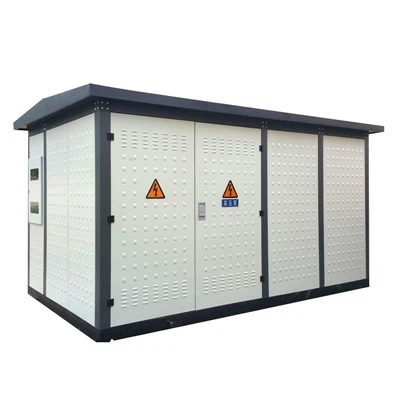
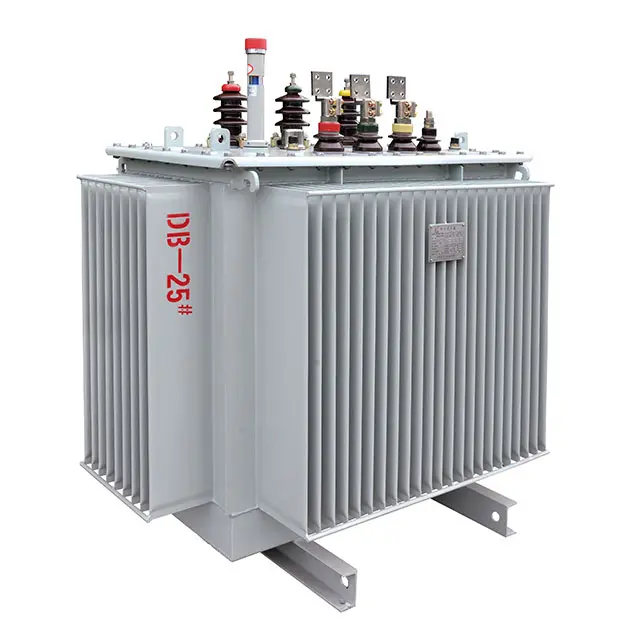
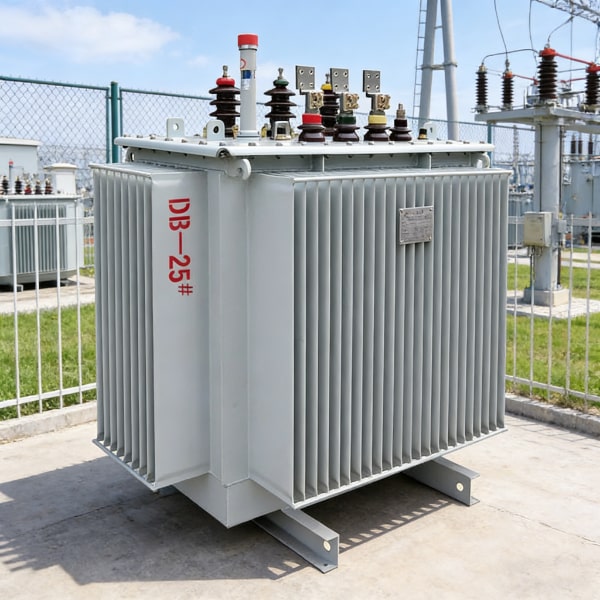
The Oil-immersed Transformer provides proven reliability for industrial applications, with robust construction capable of withstanding demanding operational conditions. Manufacturing facilities in São Paulo, Minas Gerais, and Rio Grande do Sul represent key markets for industrial transformer solutions.
Commercial Buildings
Commercial construction in major Brazilian cities continues expanding, with office towers, shopping centers, and mixed-use developments requiring reliable electrical distribution. While some indoor applications benefit from dry-type alternatives, larger commercial complexes often utilize oil-immersed transformers for primary distribution.
Utility Distribution
Brazil’s utility sector, including state-owned and private distribution companies, represents a major market for power transformers. Grid expansion and modernization programs require substantial equipment procurement, creating opportunities for qualified transformer suppliers.
Agricultural Sector
Brazil’s agricultural sector, one of the world’s largest, requires electrical infrastructure for irrigation systems, grain processing facilities, and agricultural machinery production. Rural electrification projects continue expanding grid access across agricultural regions.
Technical Specifications
Transformers deployed in Brazil must meet specific technical parameters ensuring compatibility with national grid infrastructure. The following specifications represent typical requirements for Brazilian applications.
| Parameter | Specification |
| Rated Capacity | 30kVA – 5000kVA |
| High-voltage Side | 6kV, 10kV, 35kV |
| Low-voltage Side | 0.4kV |
| Connection Group | Yyn0, Dyn11 |
| Cooling Method | ONAN (Oil-immersed Natural) |
| Insulation Class | Class A |
| Short-circuit Impedance | 4% – 6% |
These specifications ensure compatibility with Brazilian electrical distribution systems, which operate at standard frequencies and voltages. The Power Transformer supplier should provide equipment meeting ABNT (Brazilian Association of Technical Standards) requirements for legal installation.
Competitive Landscape
The Brazilian transformer market features a mix of international manufacturers and domestic producers, creating competitive dynamics that benefit B2B buyers through product variety and pricing options.
International manufacturers bring advanced technologies and quality certifications, while domestic producers offer advantages in local service support and logistics. The competitive landscape provides buyers with multiple options when sourcing transformer solutions.
Established distributor networks play important roles in market access, providing local inventory, technical support, and after-sales service. Working with qualified distributors simplifies procurement while ensuring ongoing support for installed equipment.
Entry Requirements and Certification
Understanding Brazilian regulatory requirements is essential for businesses seeking to enter the market as suppliers or procurement partners. Certification and compliance requirements establish barriers to entry while protecting end users.
Product Certification: Transformers imported into Brazil must meet ABNT technical standards and receive INMETRO certification. This certification demonstrates compliance with Brazilian safety and performance requirements. The certification process involves testing by recognized laboratories and ongoing quality verification.
Import Regulations: Import procedures require documentation including commercial invoice, packing list, certificate of origin, and certification certificates. Working with experienced customs brokers facilitates smooth customs clearance and prevents delivery delays.
Tax Considerations: Brazil’s tax system is complex, with federal, state, and municipal taxes affecting product pricing. Understanding tax implications helps buyers accurately evaluate total cost of ownership when comparing procurement options.
Sales Channels and Distribution
B2B buyers in Brazil can access transformer products through multiple sales channels, each offering distinct advantages in terms of pricing, service, and logistics support.
Direct Factory Procurement: International manufacturers with direct sales operations offer advantages in pricing and customization options. Direct procurement is particularly suitable for large projects requiring specific configurations or volume orders.
Authorized Distributors: Distributor networks provide local inventory, technical support, and after-sales service. The Transformer factory partners with established distributors to ensure market coverage and customer support throughout Brazil.
Industrial Representatives: Manufacturer representatives serve specific regions or industry segments, providing technical consultation and sales support. These representatives facilitate relationships between buyers and manufacturers while offering local market knowledge.
Investment Considerations
B2B buyers evaluating transformer investments for Brazilian applications should consider several factors affecting total cost of ownership and operational outcomes.
Energy Efficiency: Modern transformer designs offer improved efficiency, reducing operational losses throughout equipment lifecycle. While initial costs may be higher for efficient designs, the operational savings frequently justify increased investment, particularly for facilities with high electricity consumption.
Maintenance Requirements: Oil-immersed transformers require ongoing maintenance including oil testing, inspection, and periodic servicing. The Power Transformer manufacturer should provide maintenance guidelines and support for ensuring long-term reliability.
Service Support: Local service support availability significantly impacts transformer investment decisions. Buyers should evaluate supplier capabilities for providing technical support, spare parts, and emergency service in Brazil.
Strategic Recommendations
B2B buyers developing procurement strategies for the Brazilian market should consider several factors for successful market participation.
Supplier Evaluation: Conduct thorough due diligence on potential suppliers, verifying quality certifications, production capabilities, and service support infrastructure. Request references from similar projects to assess supplier performance.
Local Partnerships: Establishing relationships with local distributors or representatives facilitates market access while providing ongoing support capabilities. These partnerships prove valuable for procurement, installation, and maintenance activities.
Technical Requirements: Ensure selected equipment meets Brazilian technical standards and certification requirements. The Transformer manufacturer should provide documentation demonstrating ABNT compliance and INMETRO certification.
Logistics Planning: Plan procurement timelines accounting for manufacturing lead times, shipping duration, and customs clearance procedures. Building adequate buffer into project schedules prevents delays from supply chain complications.
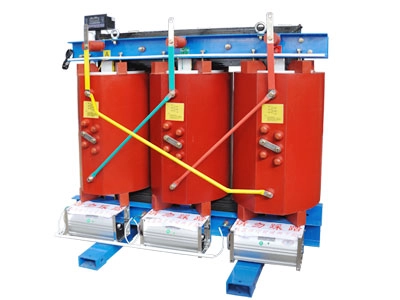
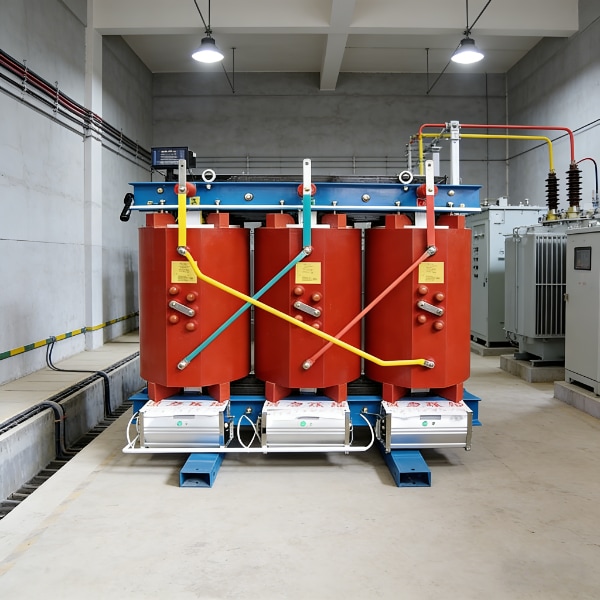
For indoor applications requiring fire safety, the Dry-type Transformer offers alternatives to traditional oil-immersed solutions. Evaluating application-specific requirements helps determine optimal technology selection.
Conclusion
Brazil’s electrical infrastructure market presents substantial opportunities for B2B buyers seeking power transformer solutions. With diverse application sectors, regulatory frameworks supporting quality standards, and competitive supplier landscape, Brazil offers favorable conditions for procurement partnerships.
Successful market participation requires understanding local requirements, establishing qualified supplier relationships, and planning procurement activities accounting for Brazilian business practices. B2B buyers who develop comprehensive market strategies position themselves for successful project outcomes.
As Brazil continues investing in electrical infrastructure modernization and expansion, demand for quality transformer solutions will remain strong. The Power Transformer wholesale market provides competitive access to equipment for businesses seeking reliable electrical infrastructure solutions.