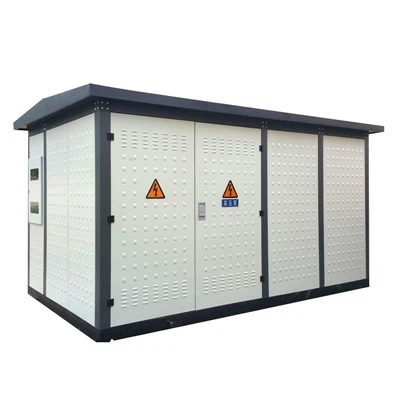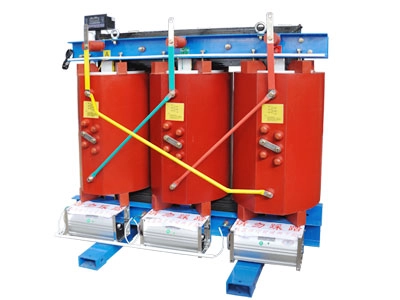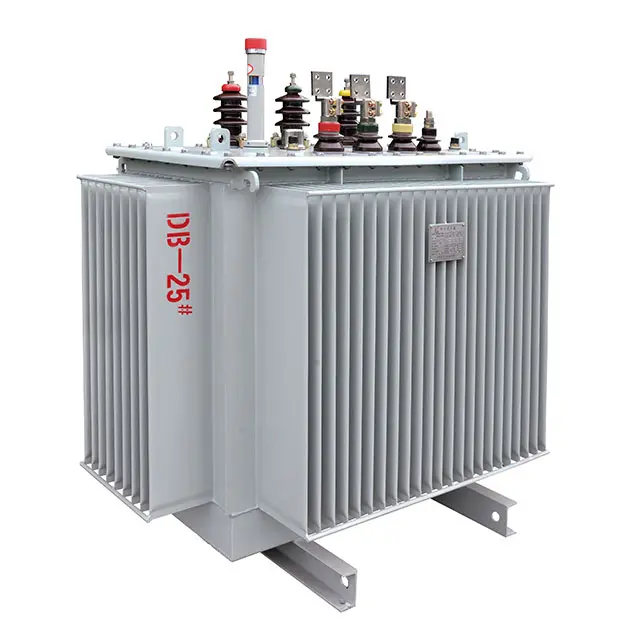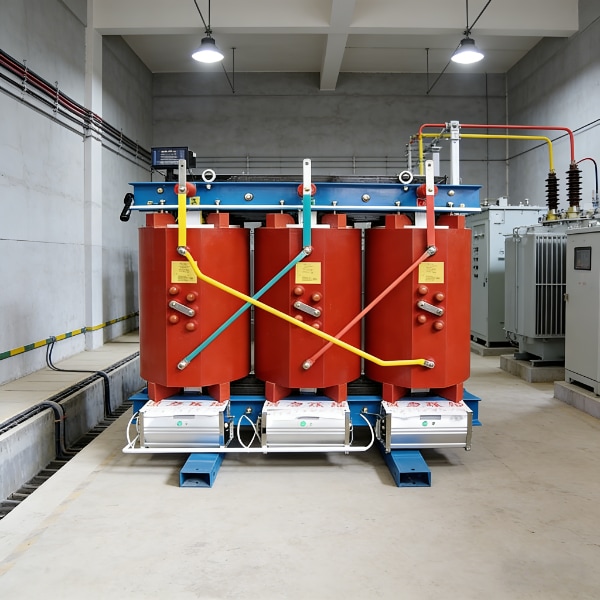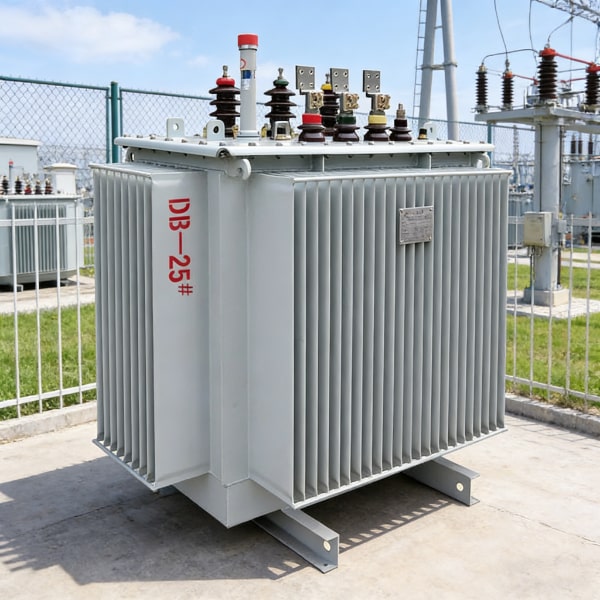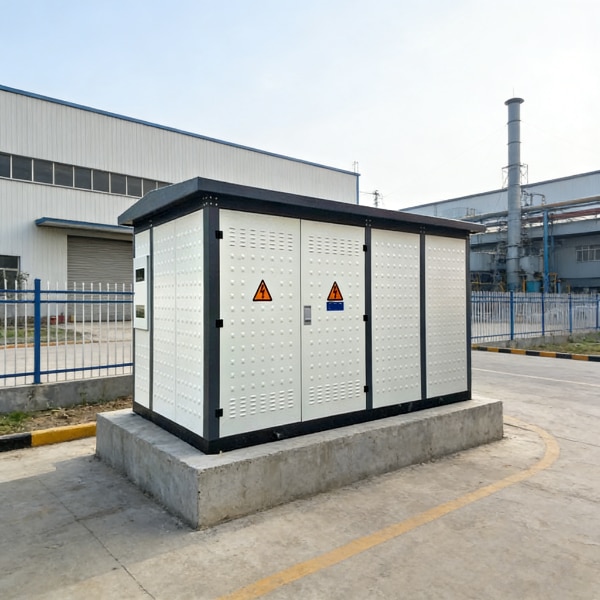
Poland’s electrical infrastructure market represents one of the most dynamic segments in Central Europe, driven by sustained economic growth, industrial development, and ongoing grid modernization initiatives. As the largest economy in the Visegrád Group, Poland creates substantial demand for power distribution equipment including oil-immersed transformers. This comprehensive import guide provides B2B buyers, distributors, and industrial operators with essential insights into importing transformer solutions into Poland, covering regulatory requirements, certification processes, and partnership opportunities.
Regulatory Framework in Poland
Understanding Poland’s regulatory environment is essential for businesses seeking to import and distribute transformer equipment. The Polish market operates under European Union regulations while maintaining specific national requirements that affect equipment importation and installation.
European Union Directives: As an EU member state, Poland requires compliance with all applicable European directives. Transformer equipment must meet Low Voltage Directive requirements and carry CE marking to demonstrate conformity with EU safety and performance standards.
Polish National Standards (PN): The Polish Committee for Standardization establishes national standards that often align with International Electrotechnical Commission standards but may include additional requirements. The Transformer factory should provide equipment meeting applicable PN standards for legal installation in Poland.
Energy Regulatory Office (URE): Poland’s Energy Regulatory Office oversees the electricity sector, establishing technical requirements for grid-connected equipment. Transformers intended for utility applications require approval from URE or recognized testing laboratories.
Building Regulations: Construction projects in Poland must comply with national building regulations that specify requirements for electrical equipment installation. These regulations address safety, energy efficiency, and environmental aspects of transformer installations.
Certification Requirements
Obtaining proper certification is a critical step in the import process. Understanding certification requirements helps streamline market entry and ensures legal compliance.
CE Marking: Mandatory for all electrical equipment sold within the European Economic Area. The CE marking demonstrates compliance with applicable EU directives and must be affixed to transformer equipment and accompanying documentation before market placement.
IEC Standards Compliance: International Electrotechnical Commission standards serve as the technical foundation for Polish requirements. The Oil-immersed Transformer must meet IEC 60076 standards for power transformers, covering specifications, testing methods, and performance requirements.
Type Testing Certification: Independent testing laboratory certification validates transformer performance and safety characteristics. Polish acceptance typically requires testing reports from recognized European testing bodies.
Quality Management Certification: ISO 9001 certification demonstrates manufacturer commitment to quality management systems. Many Polish buyers require supplier ISO certification as part of procurement qualification processes.
Technical Standards
Transformers imported into Poland must meet specific technical standards ensuring compatibility with national grid infrastructure and operational requirements.
| Parameter | Specification |
| Rated Capacity | 30kVA – 5000kVA |
| High-voltage Side | 6kV, 10kV, 35kV |
| Low-voltage Side | 0.4kV |
| Connection Group | Yyn0, Dyn11 |
| Cooling Method | ONAN (Oil-immersed Natural) |
| Insulation Class | Class A |
| Short-circuit Impedance | 4% – 6% |
These specifications align with Polish electrical distribution system requirements, which operate at standard European frequencies and voltages. The Power Transformer manufacturer should provide equipment meeting PN-EN standards for legal installation in Poland.
Environmental Standards: Polish regulations address environmental aspects including noise levels, oil containment, and disposal requirements. Equipment selection should consider these environmental compliance factors, particularly for installations near residential areas.
Efficiency Requirements: European Union ecodesign regulations establish minimum efficiency requirements for power transformers. Imported equipment must demonstrate compliance with these efficiency standards to receive market authorization.
Import Documentation
Proper documentation is essential for successful import operations. The following documents are typically required when importing transformer equipment into Poland.
Commercial Invoice: Official document stating transaction value, parties involved, and terms of sale. Must include detailed product description with HS codes for customs classification.
Packing List: Detailed inventory of shipped items including weights, dimensions, and packaging specifications. Essential for customs clearance and freight handling.
Certificate of Origin: Document certifying the manufacturing country, required for determining applicable customs duties and trade agreement benefits.
CE Declaration of Conformity: Manufacturer declaration attesting compliance with applicable EU directives. Must be provided with technical documentation demonstrating conformity.
Test Reports: Type test reports from recognized laboratories validating transformer performance and safety characteristics. The Power Transformer supplier should provide comprehensive test documentation.
Technical Documentation: Complete technical specifications, installation manuals, and maintenance guides in Polish or English language.
Compliance Process
Establishing a clear compliance process helps ensure smooth market entry and ongoing regulatory adherence.
Step 1: Product Assessment: Evaluate product compliance with applicable EU directives and Polish standards before initiating import. The Power Transformer wholesale network can provide guidance on compliance requirements.
Step 2: Documentation Preparation: Compile all required technical documentation, test reports, and conformity declarations. Ensure documentation is complete and accurate before customs submission.
Step 3: Customs Clearance: Submit documentation to Polish customs authorities. Working with experienced customs brokers facilitates smooth clearance and prevents delivery delays.
Step 4: Market Placement: Upon customs clearance, equipment can be placed on the Polish market. Maintain documentation for ongoing compliance verification.
Step 5: Post-Market Surveillance: Monitor product performance and address any compliance issues that arise. Maintain records demonstrating continued conformity with applicable requirements.
Ongoing Requirements
Maintaining compliance after market entry requires ongoing attention to regulatory requirements and market obligations.
Market Surveillance: Polish market surveillance authorities monitor compliance with applicable regulations. Non-compliant products may be recalled or removed from the market.
Technical File Maintenance: Maintain technical documentation for equipment lifecycle, typically ten years from last market placement. Documentation must be available for regulatory inspection upon request.
Incident Reporting: Report any safety incidents or product defects to relevant Polish authorities. The Transformer manufacturer should have procedures in place for incident investigation and reporting.
Periodic Audits: Expect periodic audits from notified bodies verifying continued compliance with applicable standards. Maintain quality management system certifications demonstrating manufacturing process control.
Environmental Compliance: End-of-life electrical equipment must be disposed of according to Polish waste electrical and electronic equipment regulations. The Oil-immersed Transformer requires proper oil disposal handling at equipment end of life.
Finding Factory Partners
Establishing relationships with qualified factory partners is essential for successful market participation in Poland.
Manufacturing Capability Assessment: Evaluate potential partners based on production capacity, quality control processes, and engineering capabilities. The Transformer factory should demonstrate ability to produce equipment meeting Polish and EU requirements.
Certification Verification: Confirm partner holds necessary certifications including ISO 9001 and can provide CE marking documentation for all products.
Technical Support Capabilities: Evaluate partner ability to provide technical documentation, installation support, and after-sales service in Poland.
Logistics Infrastructure: Assess partner logistics capabilities including packaging, shipping, and documentation handling for international export to Poland.
Financial Stability: Evaluate partner financial health to ensure long-term business relationship viability and warranty support capability.
Conclusion
Poland’s electrical equipment market presents substantial opportunities for B2B buyers seeking oil-immersed transformer solutions. With robust regulatory frameworks supporting quality standards, EU market access, and competitive supplier landscape, Poland provides favorable conditions for import partnerships.
Successful market participation requires understanding Polish certification requirements, establishing relationships with qualified factory partners, and developing comprehensive import strategies. The Power Transformer supplier with established export experience offers competitive advantages in terms of documentation, certification support, and logistics coordination.
As Poland continues modernizing electrical infrastructure and expanding industrial capacity, demand for quality transformer solutions will remain strong. B2B buyers developing relationships with authorized factory partners position themselves to capitalize on market opportunities while ensuring reliable equipment supply for their operations.