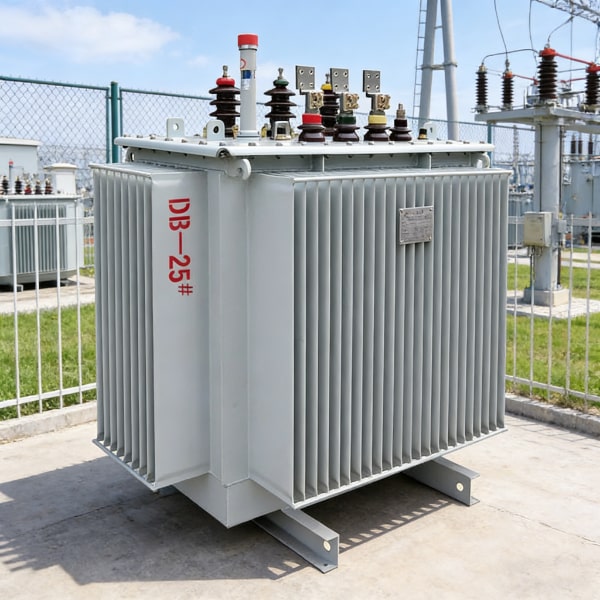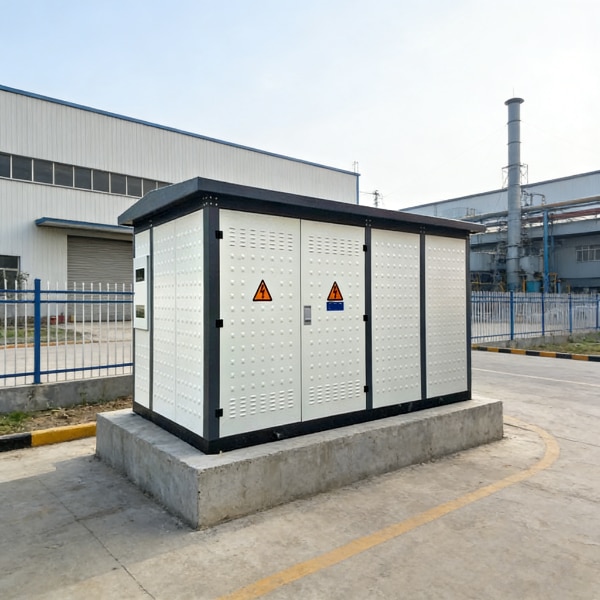
Croatia’s electrical infrastructure development has created significant opportunities for industrial equipment suppliers and distributors. As the country continues modernizing its power distribution networks and expanding industrial facilities, understanding regulatory compliance requirements becomes essential for businesses seeking to enter the Croatian market. This comprehensive compliance guide provides B2B buyers, distributors, and manufacturers with essential information about importing and deploying oil-immersed transformers in Croatia according to European Union standards.
Regulatory Framework in Croatia
Croatia, as a member state of the European Union since 2013, adheres to all relevant EU directives and regulations governing electrical equipment. The Croatian regulatory framework creates a structured environment for transformer procurement, with clear requirements that ensure safety, reliability, and environmental protection.
The Croatian Ministry of Economy and Sustainable Development oversees technical regulations affecting electrical equipment. Relevant state agencies include the Croatian Electrical Industry Competitiveness Agency and the Croatian Regulatory Agency for Network Industries. These bodies ensure implementation of EU directives at the national level, creating a consistent regulatory landscape throughout the country.
Local enforcement occurs through Croatian technical inspection bodies authorized to verify compliance with applicable standards. These inspections ensure that installed equipment meets all safety and performance requirements, protecting end users and infrastructure from substandard products.
Certification Requirements
Transformers imported into Croatia must carry appropriate certification demonstrating compliance with applicable European standards. Understanding these requirements before initiating procurement activities helps ensure smooth customs clearance and installation approvals.
CE Marking
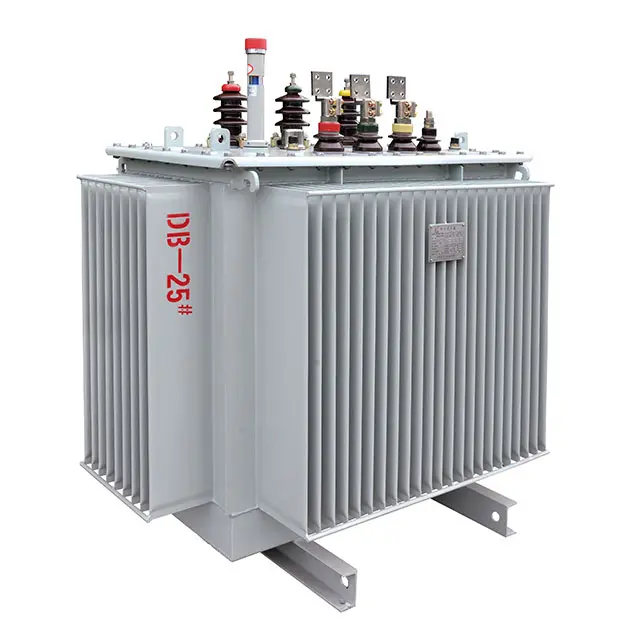
CE marking represents the fundamental certification requirement for electrical equipment sold within the European Economic Area. For oil-immersed transformers, CE marking indicates compliance with the Low Voltage Directive and Electromagnetic Compatibility Directive. The Oil-immersed Transformer must display the CE mark visibly on the nameplate and accompanying documentation.
Manufacturers must provide Declaration of Conformity documentation attesting that products meet all applicable directive requirements. This declaration should reference specific standards used for compliance verification, typically including IEC 60076 for power transformer design and testing.
IEC Standards Compliance
International Electrotechnical Commission standards form the technical foundation for transformer requirements in Croatia. Key standards include IEC 60076-1 for general requirements, IEC 60076-2 for temperature rise, and IEC 60076-3 for insulation levels and dielectric tests. These standards ensure consistent performance and safety characteristics across all certified equipment.
Croatian importers should verify that manufacturer test reports demonstrate compliance with these standards. Documentation should include type test certificates from recognized testing laboratories, providing independent verification of compliance claims.
ISO Certification
While not strictly mandatory for product import, ISO 9001 certification demonstrates manufacturer commitment to quality management systems. Many Croatian procurement specifications prefer or require ISO-certified suppliers, making this certification valuable for market access. The Power Transformer supplier with established quality systems typically offers more consistent product quality.
Additional ISO standards relevant to transformer manufacturing include ISO 14001 for environmental management and ISO 45001 for occupational health and safety. These certifications demonstrate comprehensive operational excellence beyond basic product compliance.
Technical Standards
Transformers deployed in Croatia must meet specific technical parameters ensuring compatibility with national grid infrastructure and operational reliability under local conditions. Understanding these standards helps procurement professionals specify appropriate equipment for Croatian applications.
| Parameter | Specification |
| Rated Capacity | 30kVA – 5000kVA |
| High-voltage Side | 6kV, 10kV, 35kV |
| Low-voltage Side | 0.4kV |
| Connection Group | Yyn0, Dyn11 |
| Cooling Method | ONAN (Oil-immersed Natural) |
| Insulation Class | Class A |
| Short-circuit Impedance | 4% – 6% |
These specifications ensure compatibility with Croatian distribution networks, which operate at standard European frequencies and voltages. The Croatian power grid follows ENTSO-E operational guidelines, requiring transformers to meet specific interoperability requirements.
Import Documentation
Successful import of transformers into Croatia requires comprehensive documentation demonstrating compliance and enabling customs clearance. Croatian customs authorities require specific paperwork before releasing imported electrical equipment.
Commercial Documentation
Standard commercial documentation includes commercial invoice, packing list, and bill of lading or airway bill. These documents should accurately describe the imported equipment, including technical specifications, quantities, and values. Incorrect documentation can cause customs delays and potential penalties.
Technical Documentation
Technical documentation requirements include Declaration of Conformity, test certificates, and technical specifications sheets. For Oil-immersed Transformer equipment, documentation should confirm compliance with applicable IEC standards and EU directives. These documents must be available for customs inspection upon request.
User manuals and installation guides in Croatian or English facilitate proper equipment deployment. While not always required for customs clearance, these documents support smooth installation and commissioning activities.
Certificate of Origin
Certificate of origin documentation may be required depending on the product’s origin and applicable trade agreements. For transformers from non-EU origins, this certificate determines applicable import duties and potential preferential treatment under trade agreements.
Compliance Process
Establishing a structured compliance process helps ensure smooth market entry and ongoing operations in Croatia. This process should address pre-import verification, customs clearance, and post-import requirements.
Pre-Import Verification
Before initiating shipments, verify that selected equipment meets all Croatian requirements. Confirm CE marking status, test certificate availability, and technical specification compatibility with local grid conditions. Working with qualified Transformer supplier that understands Croatian requirements simplifies this verification process.
Engaging a local customs representative can facilitate documentation preparation and ensure compliance with Croatian import regulations. These representatives understand local requirements and can prevent common import issues.
Customs Clearance
Croatian customs clearance for electrical equipment typically requires presentation of commercial documentation, technical certificates, and customs declaration. Import duties vary based on product origin and HS classification, with standard rates applying to most transformer imports from non-EU sources.
Value-added tax applies to imported equipment at the standard Croatian VAT rate. Certain exemptions may apply for equipment used in specific industrial applications or investment projects, depending on applicable Croatian tax regulations.
Post-Import Requirements
After customs clearance, certain post-import requirements may apply depending on equipment type and installation location. Technical inspection by authorized Croatian bodies verifies proper installation and compliance with applicable regulations before equipment enters service.
Record keeping requirements apply to imported electrical equipment, with documentation retention periods specified by Croatian regulations. Maintaining comprehensive records facilitates future inspections and any required compliance verification.
Ongoing Requirements
Compliance obligations extend beyond initial import, requiring ongoing attention throughout equipment operational life. Understanding these requirements helps B2B buyers plan long-term operational strategies.
Periodic Inspections
Installed transformers in Croatia may require periodic technical inspections according to national regulations. These inspections verify continued compliance with applicable standards and ensure safe operation. The Power Transformer manufacturer should provide guidance on inspection requirements based on equipment specifications and installation location.
Inspection frequency depends on equipment type, capacity, and installation environment. Higher-capacity units and installations in sensitive locations typically require more frequent inspections.
Maintenance Documentation
Operational maintenance activities should be documented according to Croatian regulations. Records of maintenance activities, inspections, and any equipment modifications demonstrate ongoing compliance and support warranty claims if issues arise.
Working with qualified service providers familiar with Croatian requirements ensures maintenance activities meet regulatory expectations. These providers understand documentation requirements and can recommend appropriate maintenance schedules.
Environmental Compliance
Oil-immersed transformers require specific environmental compliance attention in Croatia. Regulations governing transformer oil handling, disposal, and leak prevention apply to installed equipment. Proper maintenance prevents environmental incidents and ensures continued compliance throughout equipment lifecycle.
At end of equipment life, proper disposal procedures must follow Croatian waste management regulations. Transformer oil and components require specialized disposal by licensed waste management contractors.
Working with Qualified Suppliers
Successful compliance management begins with selecting qualified transformer suppliers capable of providing equipment and documentation meeting Croatian requirements. B2B buyers should evaluate potential partners based on multiple criteria.
Verify that potential Transformer factory partners can provide complete documentation packages including CE Declaration of Conformity, test certificates, and technical specifications. Equipment should clearly display CE marking on nameplates as required by EU directives.
Quality certifications including ISO 9001 indicate manufacturer commitment to consistent quality and documentation practices. These certifications facilitate compliance verification and reduce risk of receiving non-compliant equipment.
Evaluate technical support capabilities, including installation guidance, commissioning support, and ongoing service options. Suppliers with established European presence can provide more responsive support for Croatian applications.
Strategic Considerations
B2B buyers developing Croatian market strategies should consider several factors beyond basic compliance requirements. These considerations influence long-term success and operational efficiency.
Establishing relationships with Power Transformer wholesale distributors can provide advantages in logistics, documentation support, and local market knowledge. These partners understand Croatian business practices and can facilitate smoother market entry.
Understanding Croatian grid expansion plans and industrial development projects helps identify market opportunities. The country’s ongoing infrastructure investment creates consistent demand for quality transformer equipment across industrial and utility applications.
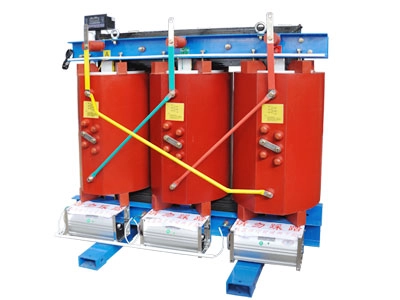
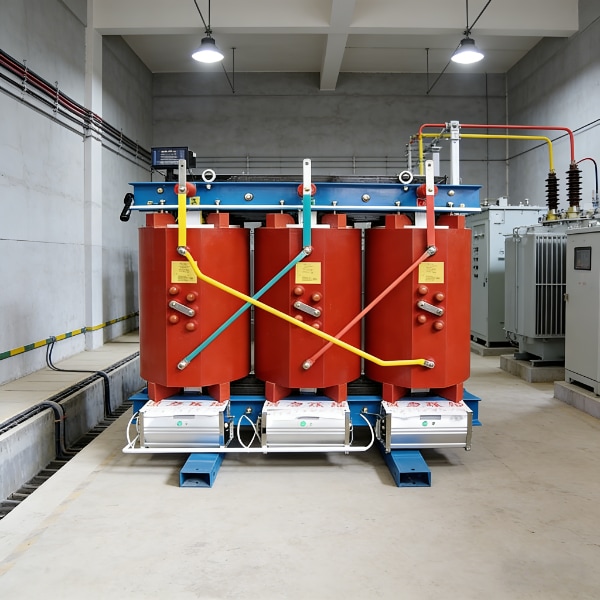
For certain indoor applications, Dry-type Transformer alternatives may offer advantages in fire safety and environmental compliance. Evaluating application-specific requirements helps determine optimal technology selection for each project.
Conclusion
Croatia’s membership in the European Union creates a well-structured regulatory environment for transformer procurement and deployment. B2B buyers understand compliance requirements and work with qualified suppliers can successfully navigate market entry and establish sustainable operations in Croatia.
Key compliance elements include CE marking according to applicable EU directives, IEC standard compliance demonstrated through test certificates, and proper import documentation. Establishing structured compliance processes helps ensure smooth operations and prevents regulatory issues that could disrupt business activities.
Partnering with qualified transformer suppliers that understand Croatian requirements simplifies compliance management and reduces market entry risk. These partnerships provide access to equipment meeting all applicable standards while offering ongoing support throughout the equipment lifecycle.
As Croatia continues developing its electrical infrastructure, demand for compliant transformer solutions will remain strong. B2B buyers who establish solid compliance foundations now position themselves for long-term success in this growing market.