Thailand’s rapid industrial development and expanding commercial infrastructure create substantial demand for reliable electrical distribution equipment. Manufacturing facilities, commercial buildings, and industrial complexes throughout the country require transformer solutions that deliver consistent performance while meeting stringent safety requirements. This technical guide examines how Thai businesses can partner with qualified dry-type transformer manufacturers to meet their facility electrical infrastructure needs.
Industry Challenges and Solutions
Thai industrial and commercial facilities face distinct challenges when planning electrical infrastructure. Understanding these challenges helps procurement professionals identify appropriate transformer solutions that address specific operational requirements.
Climate considerations significantly influence transformer selection for Thai applications. The country’s tropical climate creates high temperature and humidity conditions that affect electrical equipment performance and longevity. Transformers must operate reliably in these demanding conditions while maintaining appropriate safety margins.
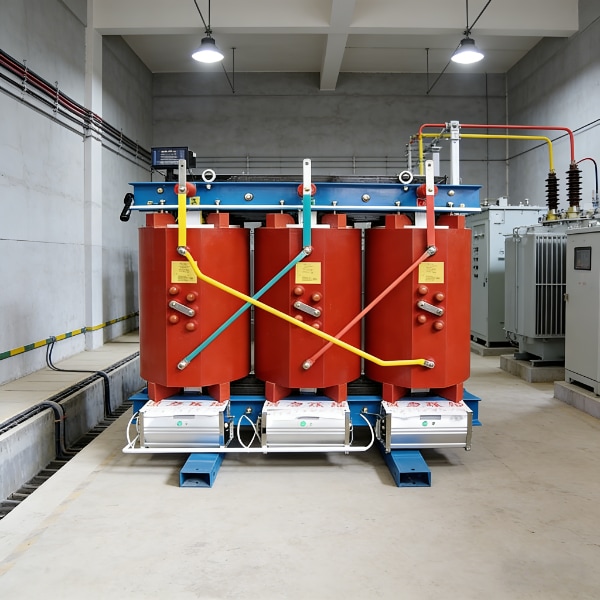
Urban commercial developments in Bangkok and major provincial cities face space constraints requiring compact transformer solutions. Indoor installations in occupied buildings demand equipment that operates safely without fire risks, making dry-type transformers the preferred choice for many applications.
Manufacturing facilities across Thailand’s industrial estates require transformers capable of supporting continuous production operations with high reliability. Equipment downtime translates directly to production losses, emphasizing the importance of quality transformer solutions from established manufacturers.
Technical Solution Overview
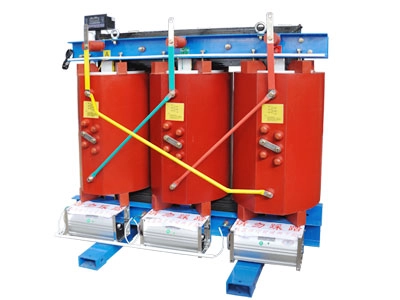
Dry-type transformers provide optimal solutions for Thai applications requiring indoor installation, fire safety compliance, and reliable performance. These units eliminate fire risks associated with oil-filled alternatives while delivering consistent electrical performance.
| Parameter | Specification |
| Rated Capacity | 30kVA – 2500kVA |
| High-voltage Side | 6kV, 10kV |
| Low-voltage Side | 0.4kV |
| Connection Group | Yyn0, Dyn11 |
| Cooling Method | AN (Air Natural), AF (Air Forced) |
| Insulation Class | Class F |
| Short-circuit Impedance | 4% – 6% |
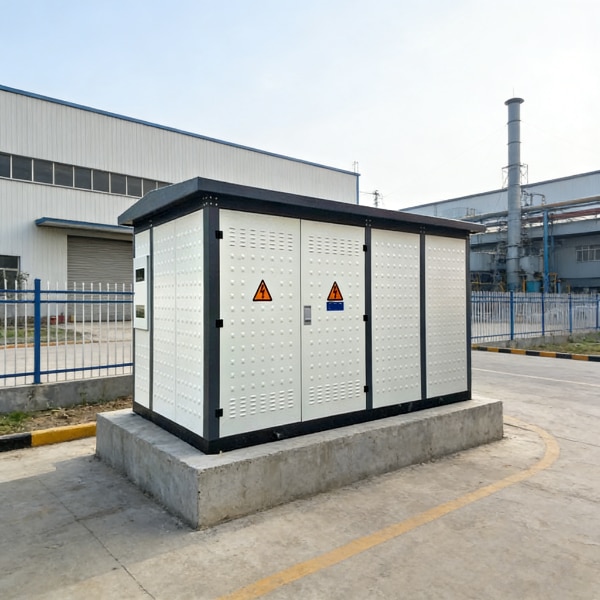
These specifications ensure compatibility with Thai electrical distribution systems while meeting international standards for safety and performance. The Dry-type Transformer provides reliable power transformation for commercial and industrial applications throughout Thailand.
Specification Parameters Detail
Understanding detailed technical parameters helps procurement professionals specify appropriate equipment for specific applications. Each parameter influences transformer performance and suitability for particular installations.
Capacity Ratings: Dry-type transformers are available in capacities ranging from 30kVA to 2500kVA, providing flexibility for diverse applications. Selection should consider present load requirements plus adequate margin for future growth. Oversizing wastes capital, while undersizing limits operational flexibility.
Voltage Configurations: Standard voltage configurations include 6kV and 10kV on the high-voltage side, with 0.4kV on the low-voltage side. These configurations match Thai grid standards and ensure compatibility with local distribution systems.
Cooling Methods: Air Natural cooling provides adequate dissipation for most applications. For higher capacity units or installations with limited ventilation, Air Forced cooling options deliver enhanced heat removal capabilities.
Insulation Class: Class F insulation provides enhanced thermal capacity compared to older designs, supporting reliable operation in Thailand’s high-temperature environment. This insulation class delivers appropriate safety margins for demanding applications.
Installation and Maintenance Guidelines
Proper installation and ongoing maintenance ensure optimal transformer performance throughout equipment lifecycle. Following manufacturer guidelines helps prevent premature failures and maximizes return on equipment investments.
Installation Requirements: Transformer installation locations must provide adequate ventilation for cooling. Minimum clearance requirements around units allow proper air circulation. Indoor installations should consider ambient temperature limits and ensure adequate ventilation.
Electrical connections must meet applicable Thai electrical code requirements. Proper grounding ensures safety and operational performance. The Power Transformer supplier should provide detailed installation guidelines specific to the equipment model.
Environmental Considerations: Thai humidity levels require attention to moisture protection. Transformers should be stored in dry conditions before installation. Operating environments should maintain reasonable humidity levels to prevent insulation degradation.
Maintenance Recommendations: Regular visual inspections check for dust accumulation, loose connections, or unusual operating conditions. Thermal imaging identifies hot spots indicating developing problems. The Power Transformer manufacturer typically provides maintenance schedules appropriate for specific equipment models.
Cleaning maintenance should address dust accumulation on transformer surfaces, particularly in industrial environments. Blocked ventilation passages reduce cooling efficiency and may cause overheating. Scheduled cleaning maintains proper heat dissipation.
Common Questions and Answers
Procurement professionals often have questions about dry-type transformer selection and application. This section addresses common inquiries regarding Thai installations.
Q: What applications are suitable for dry-type transformers in Thailand?
A: Dry-type transformers suit indoor applications where fire safety is paramount. Commercial buildings, hospitals, data centers, and industrial facilities benefit from these units. They operate safely in occupied spaces without special containment measures.
Q: How do dry-type transformers perform in Thai climate conditions?
A: Modern dry-type transformers operate reliably in tropical climates when properly specified. Class F insulation provides thermal margin for high-temperature operation. Proper installation with adequate ventilation ensures optimal performance.
Q: What maintenance do dry-type transformers require in Thai environments?
A: Maintenance includes regular visual inspections, dust cleaning, and periodic electrical testing. Higher humidity environments may require additional moisture monitoring. Following manufacturer maintenance schedules maximizes equipment life.
Q: How long do dry-type transformers typically last?
A: Properly maintained dry-type transformers typically provide 20-30 years of reliable service. Actual lifespan depends on operating conditions, maintenance quality, and loading patterns. Avoiding overload conditions extends operational life.
Safety Compliance
Transformer installations in Thailand must comply with applicable safety regulations and standards. Understanding these requirements helps ensure regulatory compliance and safe operations.
Thai electrical safety regulations align with international standards, requiring transformers to meet applicable IEC requirements. Equipment should carry appropriate certification demonstrating compliance with safety standards.
Fire safety requirements particularly influence transformer selection for indoor applications. Dry-type transformers eliminate fire risks associated with oil-filled equipment, simplifying compliance with building fire safety codes.
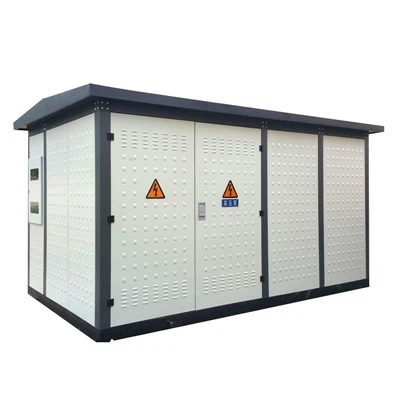
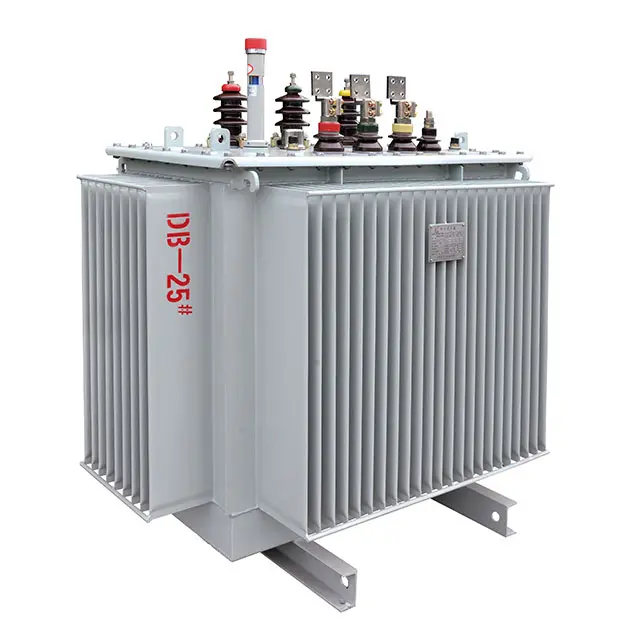
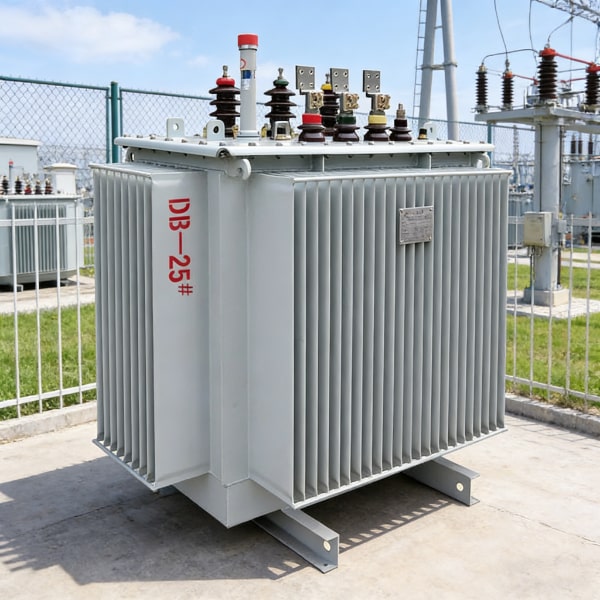
For certain outdoor or high-capacity applications, Oil-immersed Transformer solutions may be appropriate. These units offer advantages in specific applications while requiring additional fire safety considerations for indoor installations.
Partner Selection Considerations
Selecting appropriate transformer suppliers requires evaluation of multiple factors beyond initial pricing. The right partner provides equipment quality and ongoing support that maximize equipment value.
Technical capability ensures suppliers can provide equipment meeting specific application requirements. The Transformer factory should demonstrate ability to supply appropriate configurations for Thai operating conditions.
Quality certifications including ISO 9001 indicate manufacturing quality systems. These certifications help ensure consistent product quality and reliable equipment performance.
Technical support capabilities prove valuable during installation and ongoing operations. Suppliers with responsive support teams can address questions quickly, minimizing equipment downtime when issues arise.
Spare parts availability ensures prompt maintenance response when components require replacement. Establishing parts procurement relationships during initial equipment purchase facilitates future maintenance activities.
Conclusion
Thailand’s industrial and commercial development creates substantial opportunities for dry-type transformer applications. These units provide optimal solutions for indoor installations requiring fire safety, reliable performance, and environmental friendliness.
Successful transformer procurement requires understanding application requirements, specifying appropriate equipment, and partnering with qualified suppliers. Proper installation and maintenance practices ensure equipment delivers expected performance throughout operational lifecycles.
The advantages of dry-type transformers, including fire safety, environmental benefits, and minimal maintenance requirements, make these units particularly suitable for Thai commercial and industrial applications. Partnering with established manufacturers provides access to quality equipment and technical support.
As Thailand continues developing its industrial and commercial infrastructure, demand for reliable transformer solutions will remain strong. B2B buyers who develop comprehensive supplier relationships and application expertise position themselves for successful project outcomes and long-term operational excellence.