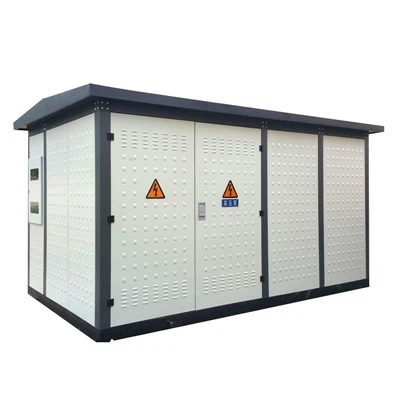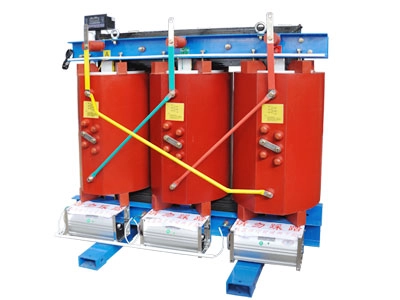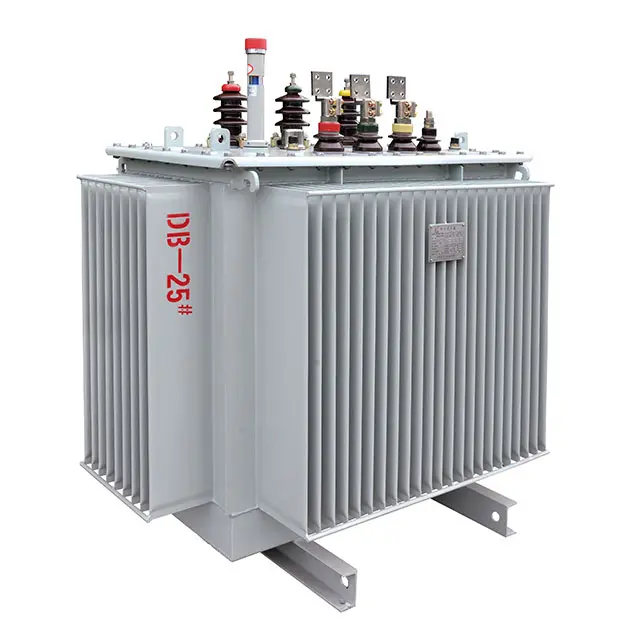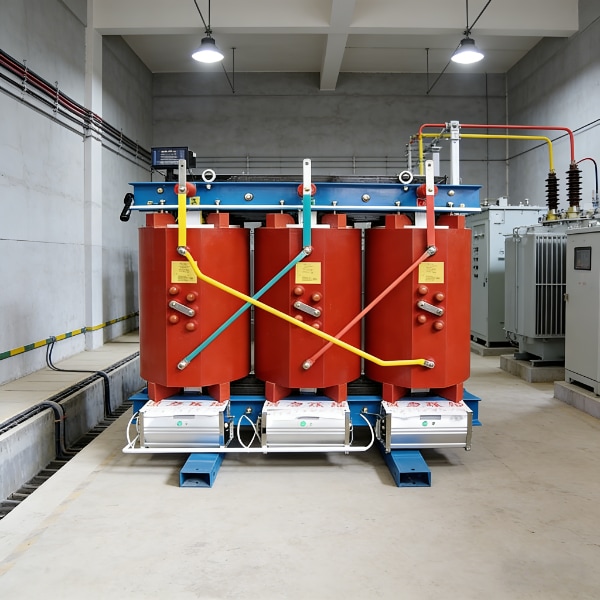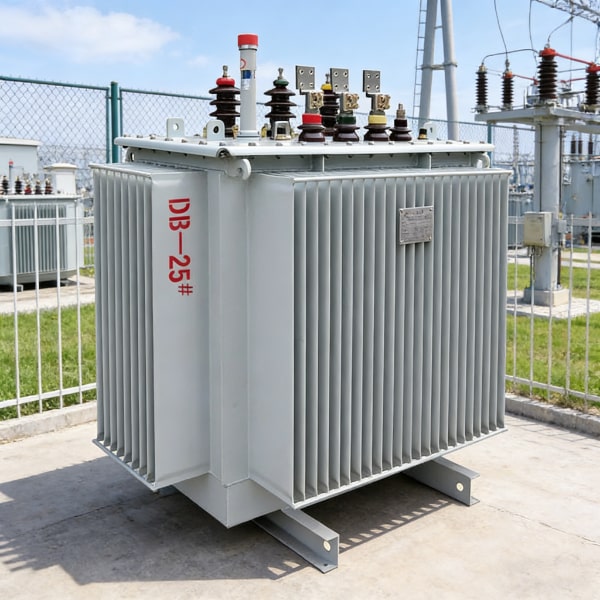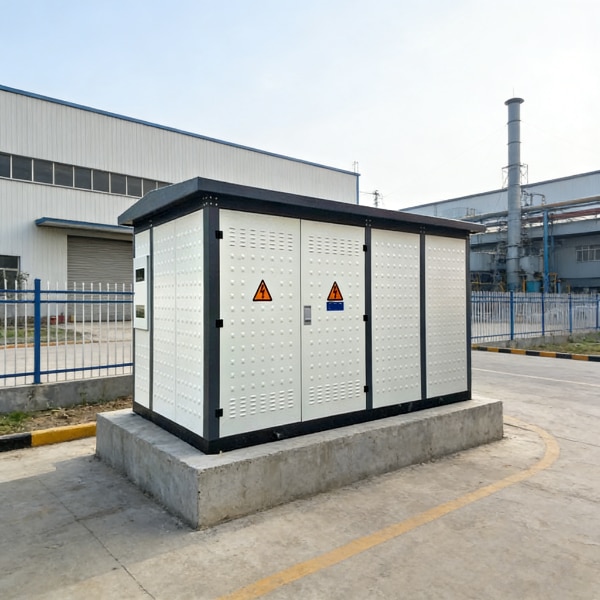
Nepal’s electrical infrastructure sector presents unique opportunities for specialized power distribution equipment, particularly in applications requiring enhanced safety characteristics and indoor installation capabilities. As the country continues developing its industrial base, commercial sector, and energy infrastructure, demand for fire-safe transformer solutions has grown substantially. This technical guide provides B2B buyers, industrial operators, and project developers with essential insights into dry-type transformer solutions for Nepalese applications, addressing technical requirements, application considerations, and partnership opportunities.
Industry Requirements Analysis
B2B buyers in Nepal face specific challenges when sourcing power distribution equipment for modern applications. Understanding these industry requirements helps identify appropriate transformer solutions.
Fire Safety Requirements: Building regulations in Nepal, particularly for high-rise construction, commercial complexes, and public facilities, impose fire safety standards that influence equipment selection. The Dry-type Transformer eliminates fire risks associated with combustible insulation oil, making it the preferred choice for indoor installations where fire safety is paramount.
Urban Installation Constraints: Rapid urbanization in Kathmandu and other major cities requires electrical equipment suitable for installation within building structures. Dry-type transformers provide advantages for urban installations where space is limited and indoor mounting is required.
Environmental Considerations: Nepal’s commitment to environmental sustainability influences equipment selection. Dry-type transformers do not pose oil leakage risks that could contaminate soil or water sources, aligning with environmental protection priorities.
Maintenance Accessibility: Facilities managers in Nepal increasingly seek equipment requiring minimal ongoing maintenance. Dry-type transformers offer advantages with simpler maintenance requirements compared to oil-immersed alternatives.
Technical Solution Overview
Dry-type transformers represent established technology specifically suited for applications requiring enhanced safety, indoor installation, or environmentally sensitive locations. These units employ solid insulation materials to provide electrical isolation without flammable liquids.
The Dry-type Transformer operates on fundamental electromagnetic induction principles, transferring electrical energy between circuits while providing voltage transformation. The absence of oil coolant simplifies installation requirements and enhances safety characteristics for indoor applications.
Modern dry-type transformers incorporate advanced materials and manufacturing processes achieving performance levels comparable to traditional oil-immersed units. The Power Transformer supplier offering quality dry-type products provides units with excellent efficiency ratings and reliable long-term performance.
Specification Parameters
Selecting appropriate dry-type transformer specifications requires understanding technical parameters defining performance and compatibility. The following specifications represent typical ranges for Nepalese market applications.
| Parameter | Specification |
| Rated Capacity | 30kVA – 2500kVA |
| High-voltage Side | 6kV, 10kV |
| Low-voltage Side | 0.4kV |
| Connection Group | Yyn0, Dyn11 |
| Cooling Method | AN (Air Natural), AF (Air Forced) |
| Insulation Class | Class F |
| Short-circuit Impedance | 4% – 6% |
These specifications ensure compatibility with Nepalese electrical distribution systems. The Transformer factory should provide equipment meeting applicable Nepalese standards for legal installation.
Key Performance Characteristics
Fire Resistance: Dry-type transformers achieve fire resistance ratings making them suitable for installation within occupied buildings. This characteristic proves particularly valuable for Nepalese construction projects subject to fire safety codes.
Noise Reduction: Modern designs incorporate noise reduction features making dry-type transformers suitable for installations where acoustic considerations are important, such as hospitals, schools, and office buildings.
Environmental Sustainability: The absence of oil eliminates environmental contamination risks. At end of life, dry-type transformers can be recycled more easily than oil-filled units, supporting sustainable disposal practices.
Installation and Maintenance Guidelines
Proper installation and maintenance are essential for achieving optimal performance from dry-type transformers in Nepalese applications.
Installation Environment: Dry-type transformers require adequate ventilation for heat dissipation during operation. Installation spaces should provide sufficient air circulation, typically with minimum clearances around the unit as specified by manufacturer guidelines.
Mounting Requirements: Units should be mounted on appropriate surfaces capable of supporting weight and minimizing vibration transmission. Floor mounting is common for larger units, while wall mounting may suit smaller capacities in space-constrained installations.
Electrical Connections: Qualified electrical personnel should perform all connections in accordance with applicable Nepalese electrical codes. Proper grounding is essential for safety and performance.
Maintenance Schedule: While dry-type transformers require less maintenance than oil-immersed units, periodic inspection is recommended. Maintenance activities typically include visual inspection, connection tightening, and performance testing.
The Power Transformer wholesale network provides guidance on maintenance schedules and service support options for Nepalese market customers.
Common Questions and Answers
Q: What applications are best suited for dry-type transformers in Nepal?
A: Dry-type transformers are ideal for indoor installations, high-rise buildings, hospitals, schools, commercial centers, data centers, and any location where fire safety is a priority. They are also suitable for environmentally sensitive areas where oil leakage prevention is important.
Q: How do dry-type transformers compare to oil-immersed units in terms of efficiency?
A: Modern dry-type transformers achieve efficiency ratings comparable to oil-immersed units. While oil cooling provides slightly better heat dissipation, advances in materials and design have significantly narrowed this gap. The Power Transformer supplier can provide efficiency data for specific models.
Q: What is the typical lifespan of dry-type transformers?
A: With proper installation and maintenance, dry-type transformers can provide reliable service for 20-30 years. Lifespan depends on operating conditions, load patterns, and environmental factors.
Q: Are dry-type transformers more expensive than oil-immersed units?
A: Initial purchase costs for dry-type transformers are typically higher than comparable oil-immersed units. However, lower installation costs, reduced maintenance requirements, and enhanced safety characteristics often result in lower total cost of ownership over equipment lifecycle.
Q: What certification is required for dry-type transformers in Nepal?
A: Transformers sold in Nepal should meet applicable Nepal Bureau of Standards and Meteorology requirements. Equipment should also demonstrate compliance with relevant IEC standards for international quality recognition.
Safety Compliance
Ensuring safety compliance is essential when specifying and installing dry-type transformers in Nepal. Understanding applicable regulations helps buyers select appropriate equipment and maintain legal compliance.
National Standards: The Nepal Bureau of Standards and Meteorology establishes technical standards for electrical equipment. Equipment should meet applicable NBSM requirements for market approval.
Building Regulations: Nepalese building regulations impose specific requirements for electrical equipment installation, particularly in residential and public buildings. Dry-type transformers generally satisfy these requirements more easily than oil-immersed alternatives.
Fire Safety Classification: Dry-type transformers typically achieve superior fire safety ratings compared to oil-immersed units. This classification supports compliance with stringent fire safety requirements in Nepalese buildings.
International Standards: IEC standards provide internationally recognized technical benchmarks. The Transformer manufacturer should provide equipment meeting IEC 60076 standards for power transformers.
The Dry-type Transformer provides B2B buyers in Nepal with solutions addressing fire safety, environmental, and installation requirements while delivering reliable performance for power distribution applications.
Conclusion
Nepal’s construction and industrial sectors create substantial demand for dry-type transformer solutions addressing fire safety, environmental, and installation requirements. With established regulatory frameworks supporting quality standards and competitive supplier landscape, Nepal provides favorable conditions for procurement partnerships.
Successful procurement requires understanding application requirements, evaluating technical specifications, and establishing relationships with qualified suppliers. Technical partnership with experienced providers offers advantages in terms of product selection, installation support, and after-sales service.
The Power Transformer supplier with established experience in Nepal offers competitive advantages in terms of product availability, technical support, and service. B2B buyers developing relationships with technical partners position themselves for successful project outcomes.
As Nepal continues developing infrastructure and modernizing building stock, demand for fire-safe electrical equipment will remain strong. The Transformer factory offering dry-type solutions designed for Nepalese market requirements helps ensure successful project outcomes.