Dry-type Transformer Solutions for Norway’s Building and Industrial Sector
Norway’s construction and industrial sectors continue to expand, driving demand for specialized electrical equipment that meets strict safety requirements. Dry-type transformers have emerged as the preferred choice for indoor installations where fire safety is a primary concern. This guide examines how Norwegian businesses can source high-quality dry-type transformers from experienced manufacturers to meet their project requirements.
The Norwegian electrical equipment market has grown significantly, supported by infrastructure investments and commercial development projects throughout the country. Organizations undertaking building projects, particularly in urban areas, increasingly specify dry-type transformers due to their safety advantages and environmental benefits. Working with a reliable Dry-type Transformer supplier ensures access to equipment that meets European Union safety standards and Norway’s specific technical requirements.
Commercial and residential buildings across Norway require electrical distribution equipment that operates safely in occupied spaces. The energy sector’s expansion has fueled industrial development, creating demand for transformers that can be installed indoors without special containment measures. These applications benefit significantly from dry-type transformer technology.
Technical Specifications and Performance Standards
Modern dry-type transformer designs offer capabilities that make them ideal for indoor applications. Understanding these technical parameters helps procurement professionals select appropriate solutions for their specific projects.
| Parameter | Specification |
|---|---|
| Rated Capacity | 30kVA – 2500kVA |
| High-voltage Side | 6kV, 10kV |
| Low-voltage Side | 0.4kV |
| Connection Group | Yyn0, Dyn11 |
| Cooling Method | AN, AF |
| Insulation Class | Class F |
| Short-circuit Impedance | 4% – 6% |
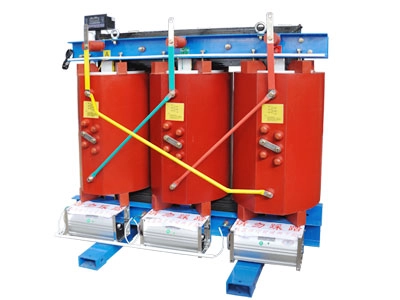
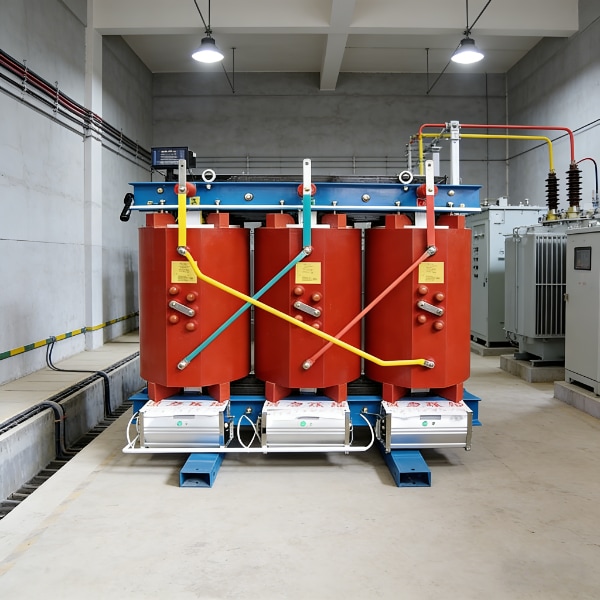
Fire-resistant construction represents the primary advantage of dry-type transformers for indoor applications. These units utilize epoxy resin or cast coil insulation systems that do not contain flammable liquids, eliminating the risk of oil leaks or fire hazards. This makes them particularly suitable for installation in occupied buildings, commercial centers, and facilities where fire safety is paramount.
Environmental benefits also distinguish dry-type transformers from oil-immersed alternatives. The absence of oil eliminates concerns about soil or groundwater contamination, simplifying installation and reducing environmental compliance requirements. These factors make dry-type transformers an environmentally responsible choice for modern buildings.
Applications in Norwegian Buildings
Norwegian commercial and residential developments increasingly specify dry-type transformers for their electrical distribution needs. The technology’s safety advantages make it particularly suitable for various building applications.
Hospitals and healthcare facilities represent significant users of dry-type transformer technology in Norway. These facilities require continuous power supply for critical care equipment, life support systems, and operating rooms. The fire safety characteristics of dry-type transformers make them ideal for healthcare environments where patient safety is the highest priority.
Data centers serving Norway’s growing technology sector depend on reliable transformer equipment to maintain continuous operations. These facilities require transformers that can be installed in close proximity to sensitive computing equipment without fire risks. Dry-type transformers provide the clean, safe power distribution that data center operations demand.
Commercial office buildings throughout Norway’s major cities benefit from dry-type transformer installations. These buildings often house multiple tenants, making transformer reliability essential for business continuity. The ability to install dry-type transformers in basements or utility rooms without special fire containment simplifies building design and reduces construction costs.
Industrial Applications
Norway’s industrial sector spans manufacturing, processing, and production facilities that require reliable power distribution equipment. Dry-type transformers serve various industrial applications where safety and reliability are essential.
Manufacturing facilities across Norway, particularly in the oil and gas support industries, require transformers that can support continuous production operations. Dry-type transformers provide the reliability these operations demand while minimizing fire risks in industrial environments.
Processing industries including pharmaceuticals and food production benefit from dry-type transformer installations where clean manufacturing conditions are essential. The absence of oil eliminates contamination risks that could affect product quality in sensitive manufacturing environments.
Selecting the Right Equipment Supplier
Choosing an appropriate Dry-type Transformer manufacturer requires evaluation of multiple factors beyond initial purchase price. Technical expertise, production capacity, quality certifications, and after-sales support all influence total cost of ownership and project success.
Quality certifications demonstrate manufacturer commitment to international standards. Look for ISO 9001 quality management system certification, compliance with IEC 60076 standards for dry-type transformers, and CE marking for equipment sold within the European Union. These certifications ensure that products meet rigorous safety and performance requirements.
Manufacturing experience indicates a supplier’s ability to handle diverse project requirements. Established factories possess the technical knowledge to customize equipment specifications based on specific application needs. They can advise on optimal capacity selection, voltage configurations, and cooling methods appropriate for each installation.
Quality Assurance and Testing
Reputable manufacturers implement comprehensive quality assurance programs covering every production stage. These programs ensure consistent product quality and compliance with applicable standards across all equipment batches.
Testing procedures include routine tests such as resistance measurements, voltage ratio verification, and insulation resistance testing. Type tests validate performance under extreme conditions, including temperature rise testing and short-circuit testing. Comprehensive testing documentation provides buyers with confidence in equipment performance.
Quality assurance periods typically cover twelve months from installation or shipment, depending on supplier terms. During this period, manufacturers address defects arising from materials or workmanship, providing replacement parts or repair services as needed.
Procurement Considerations
Norwegian businesses benefit from understanding procurement best practices when sourcing dry-type transformers. Multiple factors influence total cost of ownership, equipment reliability, and project success.
Minimum order quantities vary among suppliers, with some offering single-unit purchases while others require bulk orders. Understanding supplier policies helps businesses plan procurement strategies and inventory management approaches. Many Dry-type Transformer wholesale suppliers accommodate project-specific orders, providing equipment tailored to unique requirements.
Payment terms typically include options such as T/T or L/C, providing flexibility for different business sizes and risk preferences. Establishing clear payment terms before initiating orders helps prevent misunderstandings and ensures smooth transaction processing.
After-Sales Support and Maintenance
Establishing relationships with responsive equipment suppliers provides ongoing value beyond initial procurement. Comprehensive after-sales support helps maximize equipment reliability and operational life.
Technical support services assist with installation questions, operational guidance, and troubleshooting. Knowledgeable support teams can address common issues and provide recommendations for preventive maintenance schedules.
Spare parts availability ensures prompt repairs when components require replacement. Original equipment manufacturer parts maintain compatibility and performance specifications. Suppliers with extensive parts inventories can expedite repairs and minimize equipment downtime.
Strategic Sourcing Benefits
Developing strategic relationships with qualified dry-type transformer suppliers positions businesses for long-term success in Norway’s evolving market. Strategic partnerships create mutual benefits through volume commitments, priority service, and collaborative problem-solving.
Partnering with factory direct suppliers provides advantages in pricing, customization flexibility, and supply chain transparency. Direct manufacturer relationships eliminate intermediary costs and ensure direct communication regarding technical requirements and delivery schedules. Many buyers find the Dry-type Transformer price from direct manufacturers to be more competitive than through intermediaries.
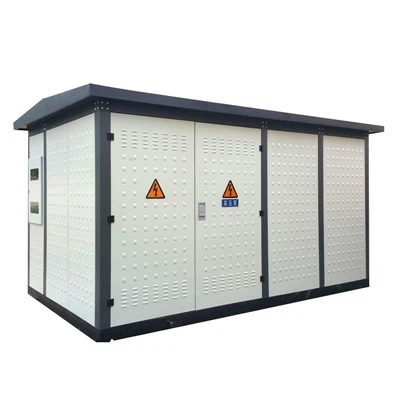
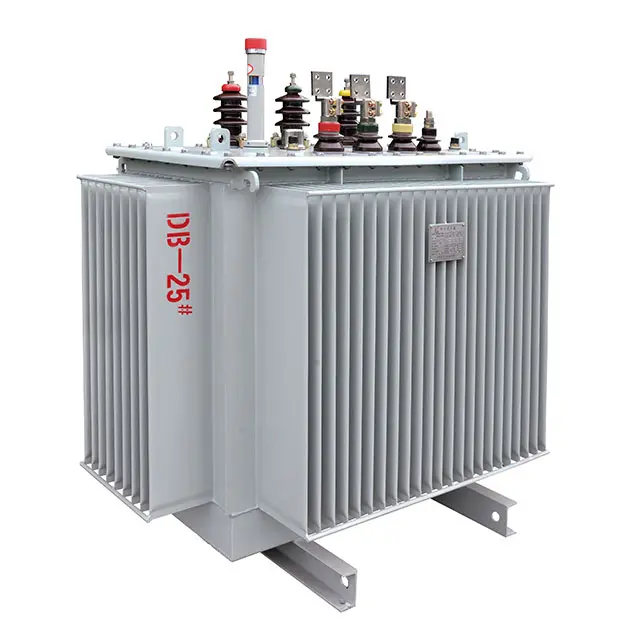
For outdoor or high-capacity applications, some projects may also consider Power Transformer solutions. These units offer advantages in locations where high power capacity is required and outdoor installation is feasible.
Conclusion
Norway’s construction and industrial development creates substantial opportunities for dry-type transformer applications across multiple sectors. From hospitals and data centers to commercial buildings and manufacturing facilities, fire-safe power distribution equipment forms an essential component of modern building infrastructure.
Selecting appropriate dry-type transformer suppliers requires careful evaluation of quality certifications, manufacturing capabilities, technical support, and logistical capabilities. Partnering with experienced suppliers ensures access to equipment that meets international standards while providing the ongoing support that Norwegian facilities require.
The technical advantages of modern dry-type transformers, including fire-resistant construction, environmental benefits, and flexible installation options, make them essential for Norway’s growing building and industrial sectors. As the country continues its economic development and infrastructure modernization, partnerships with qualified transformer suppliers become increasingly valuable.