
Understanding Transformers: The Basics
Transformers are essential electrical devices that play a crucial role in managing voltage levels within electrical systems. Fundamentally, a transformer operates on the principles of electromagnetic induction to transfer electrical energy between two or more circuits. Its primary function is to either step up (increase) or step down (decrease) voltage while maintaining the power level, which is vital for the efficient distribution of electricity.
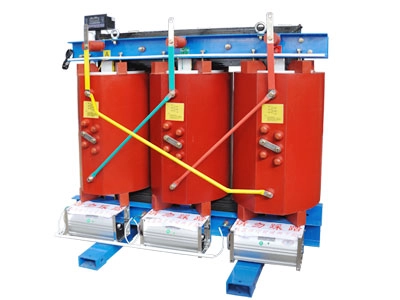
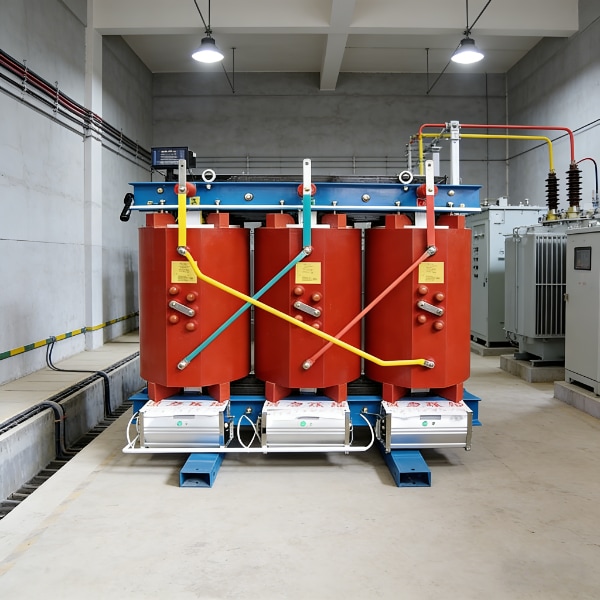
At the core of a transformer are two windings—known as the primary and secondary windings—wrapped around a magnetic core. When an alternating current (AC) passes through the primary winding, it creates a magnetic field that induces a current in the secondary winding. The relationship between the voltage in the primary winding and that in the secondary winding is determined by the turns ratio of the windings. If the secondary winding has more turns than the primary, the transformer increases voltage; if it has fewer, the voltage is decreased. This functionality is integral to both high-voltage transmission and the safe delivery of electricity in residential and commercial settings.
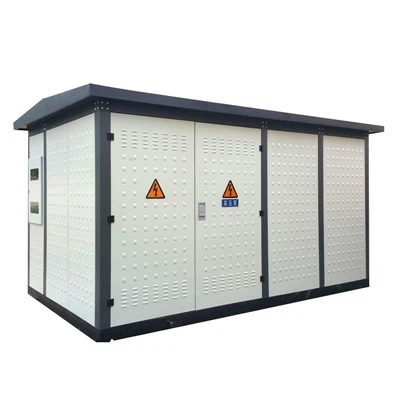
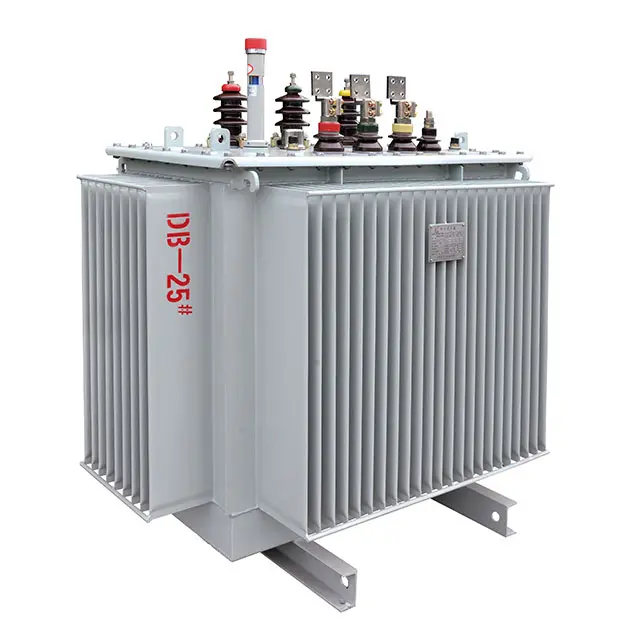
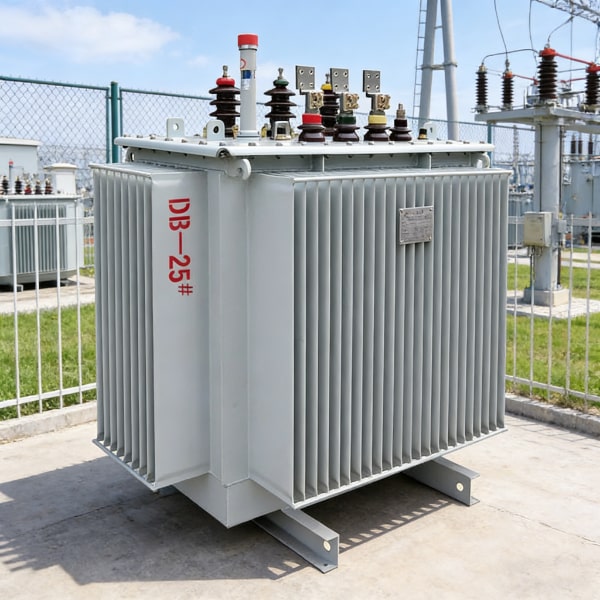
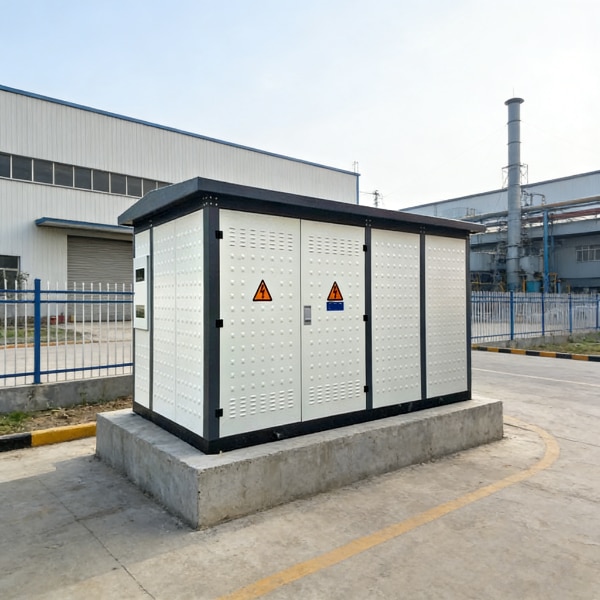
There are various types of transformers, each designed for specific applications. For instance, distribution transformers are commonly used in local electricity distribution networks, while power transformers are utilized in high-voltage substations. Other specialized types include isolation transformers, which provide electrical isolation between circuits, and autotransformers, which use a single coil for both primary and secondary functions. Understanding these classifications aids in selecting the appropriate transformer for particular needs.
Industries, ranging from telecommunications to manufacturing, often rely heavily on transformers. In telecommunications, they are essential for transmitting signals without signal loss, and in manufacturing, they support the operation of electric motors and other machinery. Thus, a thorough comprehension of transformer functionality is vital for anyone involved in the electrical sector, as it enhances the ability to meet specific operational requirements effectively.
Assessing Your Power Requirements
When selecting the right transformer for your needs, accurately assessing your power requirements is crucial. This process begins with determining the voltage and current capacity necessary for your specific application. To calculate these values, you can start by evaluating the total wattage of the devices or systems that the transformer will support. For instance, if you have multiple electrical devices, sum their wattage ratings to establish the overall load that the transformer needs to handle.
Conducting an energy audit is an effective way to gather the necessary data for this calculation. An energy audit involves reviewing your current energy usage, identifying areas of high consumption, and assessing the peak demands of your system. Monitoring your electricity usage over a period, especially during peak hours, can provide insights into the maximum power your applications require. Using tools such as clamp meters can help you accurately measure the current drawn by various appliances, contributing to a better understanding of your power needs.
It is vital to consider both average and peak demands when selecting a transformer. Undersized transformers can lead to inefficiencies, overheating, and ultimately, equipment failure. Therefore, it is prudent to select a transformer that not only meets your average load requirements but also has a capacity that can handle peak operational demands. A transformer with a 20-30% buffer above your calculated requirements can provide added reliability and efficiency, reducing the risk of overloads.
In summary, evaluating your power requirements through careful calculation of voltage and current, coupled with an energy audit to understand peak demands, is essential in selecting the appropriate transformer. Taking these steps will ensure that your electrical system remains efficient and reliable for all your operational needs.
Types of Transformers and Their Applications
Transformers play a critical role in electrical systems, enabling the efficient transfer of electrical energy between circuits. Understanding the different types of transformers is essential for selecting the one that meets specific needs across various applications. The primary types include step-up transformers, step-down transformers, isolation transformers, and autotransformers, each serving distinct purposes.
Step-up transformers increase voltage from a lower level to a higher level while decreasing the current, making them suitable for long-distance power transmission. By stepping up voltage, energy is transported more efficiently over long distances, minimizing losses. These are commonly found in power plants and substations where high voltage is required for transmission across extensive networks.
Conversely, step-down transformers reduce voltage from a higher level to a lower level, which is essential for most residential and commercial applications. They provide usable voltage levels for household appliances and industrial machinery, ensuring safety and functionality. Such transformers are widely used in neighborhoods and various commercial establishments, where the standard voltage needs to be lowered from distribution levels.
Isolation transformers are designed to decouple two circuits, providing enhanced safety by protecting against electric shock and improving noise reduction. These transformers are crucial in sensitive environments such as hospitals and laboratories, where equipment may be adversely affected by electrical interference.
Lastly, autotransformers differ from traditional transformers by sharing a common winding for both primary and secondary circuits, allowing for voltage adjustments with greater efficiency and a more compact design. They are often used in industrial applications and to start large motors due to their ability to provide a variable voltage supply.
By understanding the distinct types and applications of transformers, individuals and businesses can make informed decisions that align with their specific energy requirements, enhancing overall operational efficiency.
Considering Efficiency and Losses
When selecting a transformer, energy efficiency emerges as a critical consideration. This aspect not only influences operational costs but also impacts environmental sustainability. Transformer efficiency is commonly represented as a percentage, indicating the ratio of output power to input power. A transformer with a higher efficiency rating consumes less energy, thereby translating to lower operational expenses over time.
To assess the efficiency of a transformer, one should consider its no-load losses and full-load losses. No-load losses, often referred to as core losses, occur in the magnetic core due to hysteresis and eddy currents, even when the transformer is not delivering power. Conversely, full-load losses, or copper losses, arise from the resistance in the windings when the transformer is under load conditions. Both types of losses contribute to the overall efficiency, making it essential to evaluate them individually.
Choosing a transformer with a higher efficiency rating can lead to substantial long-term savings. Although high-efficiency transformers may come with a higher initial purchase price, the reduction in energy consumption often offsets this cost over the transformer’s lifespan. Additionally, more efficient transformers can result in minimized heat losses, enhancing their operational reliability and lifespan. This not only benefits the investor’s bottom line but contributes to a greener footprint by reducing energy wastage.
In the energy sector today, regulations and standards increasingly favor the adoption of transformers with optimal efficiency ratings. Understanding and prioritizing efficiency and losses not only meets operational demands but aligns with modern energy conservation goals, ensuring the selection of a transformer that performs effectively while minimizing costs and environmental impact.
When selecting a transformer, it is crucial to consider not only its technical specifications but also its environmental impact. Factors such as temperature and humidity significantly influence transformer performance and longevity. For instance, transformers installed in areas with high temperatures may experience increased wear and tear, leading to potential failures over time. Additionally, high humidity levels can lead to moisture ingress, which compromises insulation integrity and may result in short circuits.
Moreover, the installation location plays a critical role in the overall performance of the transformer. Environmental conditions such as air quality, altitude, and exposure to corrosive elements can affect the transformer’s components and efficiency. For example, installations in coastal areas with saline air may need special consideration because corrosion can diminish the transformer’s lifespan and reliability. In such cases, opting for transformers that feature enhanced protective coatings or materials designed for harsh environments can be beneficial.
Compliance with environmental regulations and energy standards is indispensable when choosing a transformer. Many jurisdictions impose stringent regulations regarding energy efficiency and emissions, requiring transformers to meet specific energy standards. Selecting a transformer that adheres to these guidelines not only ensures environmental compliance but also promotes energy conservation, which can lead to significant cost savings over time. Using transformers that adhere to relevant standards, such as the International Electrotechnical Commission (IEC) guidelines, can help reduce the carbon footprint of electrical systems.
In conclusion, evaluating environmental factors and compliance with regulations is essential for choosing the right transformer. Paying attention to these aspects can enhance the performance, efficiency, and sustainability of electrical systems, ultimately leading to more responsible energy consumption.
Size and Space Considerations
When selecting an appropriate transformer, understanding the size and space requirements is crucial for effective installation and maintenance. The dimensions and weight of the transformer significantly influence where and how it can be installed. Various factors need to be taken into account to ensure a proper fit within the designated area.
The physical size of a transformer is primarily determined by its power rating, design, and intended application. For instance, larger transformers are often required for heavy industrial applications, while smaller models may suffice for residential or light commercial settings. When assessing the necessary transformer size, it is essential to consider not only the electrical load but also the available installation space. Height, width, and depth constraints can change based on whether the transformer is placed indoors or outdoors, and whether it is mounted on a wall, floor, or pole.
Another critical aspect is the weight of the transformer, which can impact transportation and installation. Heavier transformers may necessitate specialized lifting equipment or foundation work to support their weight. Furthermore, accessibility for maintenance is a vital consideration, as transformers may require regular inspections and servicing. Creating sufficient space around the transformer for airflow and accessibility is important to ensure that it operates safely and efficiently.
Design elements such as the cooling system, whether air-cooled or oil-cooled, can also influence the required installation footprint and airflow needs. It is essential to keep these factors in mind while evaluating different transformers, ensuring that both your immediate requirements and long-term maintenance needs are adequately addressed.
Cost Analysis: Balancing Quality and Price
When selecting a transformer, it is essential to conduct a thorough cost analysis that combines both the initial purchase price and the long-term operational expenses. A transformer is a critical component of many electrical systems; therefore, its selection can significantly influence your overall operational efficiency and costs over time.
Begin by evaluating the initial cost of the transformer. While it may be tempting to opt for the least expensive option available, this approach may lead to higher long-term costs. Consider the specifications and performance attributes of the transformer in relation to its cost. Higher quality transformers may incur a higher upfront price, but they often provide improved reliability, better efficiency, and reduced maintenance needs, translating into lower operational costs.
Next, assess the long-term operational costs associated with the transformer. This includes energy consumption, maintenance frequency, and any potential downtime. A transformer that operates efficiently can lead to significant savings in energy bills. Additionally, review the maintenance requirements; some models may require more frequent checks and replacements of parts, causing operational interruptions and unexpected costs.
Diving deeper, consider the potential downtime associated with a lower-quality transformer. Unplanned outages can lead to substantial losses in productivity and revenue, making it critical to factor in the probability and impact of system failures when narrowing down your choices. A reliable transformer may have a higher initial price but can save you from costly interruptions in the long run.
Ultimately, a well-rounded cost-benefit analysis will not only focus on the purchase price but also includes the combined effect of operational efficiency and reliability on your overall expenses. By carefully weighing these factors, you can make an informed decision that balances quality and price efficiently, ensuring your specific needs are met.
Safety Standards and Compliance Regulations
When selecting a transformer, it is imperative to consider safety standards and compliance regulations established by recognized industry authorities. These standards serve as critical guidelines intended to ensure the safe operation of electrical equipment, including transformers. Adherence to these regulations is essential not only for the performance and longevity of the transformer but also for the safety of personnel and the surrounding environment.
The International Electrotechnical Commission (IEC) is a primary body that sets forth numerous standards regarding electrical equipment. For transformers, IEC 60076 provides specifications concerning performance, testing, and safety requirements. Additionally, the American National Standards Institute (ANSI) alongside the Institute of Electrical and Electronics Engineers (IEEE) furnishes guidelines specific to transformer design and construction. By meeting these standards, manufacturers demonstrate a commitment to quality and safety, gaining the trust of consumers and industrial clients alike.
An equally critical aspect involves certifications such as Underwriters Laboratories (UL) and Canadian Standards Association (CSA). These certifications indicate that products have been rigorously evaluated against relevant safety standards. A transformer bearing a UL or CSA mark signifies that it has met stringent requirements related to risk factors, such as fire hazards or electrical shock. Consequently, purchasers should prioritize transformers that possess these certifications to ensure compliance with safety regulations and national electrical codes.
Moreover, national regulations may vary by region, necessitating familiarization with local guidelines. In the United States, for instance, the National Electrical Code (NEC) outlines specific requirements for electrical installations, including transformer usage. Compliance with these regulations is not merely a legal obligation but also a proactive measure to avert potential hazards. Therefore, integrating compliance and safety considerations into the decision-making process ensures a reliable and secure transformer choice.
Working with Professionals: Expert Consultation
When navigating the complexities of transformer selection, collaborating with experienced electrical engineers or industry professionals can prove invaluable. They bring a wealth of knowledge and insight that is often essential for making informed decisions regarding transformer specifications and applications. Professionals possess a deep understanding of the wide array of transformers available in the market, along with their operational requirements and limitations.
A major benefit of consulting with experts is their ability to provide insights based on practical experience. They remain updated on the latest technological advancements, including improvements in energy efficiency, sustainability, and design innovations. This expertise allows them to recommend transformer solutions that not only fit current needs but are also aligned with future industry trends and regulations.
Additionally, professionals can assist in conducting comprehensive assessments, taking into account factors such as load requirements, environmental conditions, and installation constraints. By identifying specific operational parameters, electrical engineers can suggest tailored transformer models that meet the precise needs of a project, thus enhancing efficiency and safety. This customized approach reduces the risk of over- or under-specification, which can lead to increased costs and operational inefficiencies.
Furthermore, engaging with experts can lead to improved project outcomes. Professionals can facilitate communication across different stakeholders, clarifying technical requirements and ensuring that everyone involved has a unified understanding of the project objectives. This collaborative effort not only streamlines the selection process but can also foster innovation, as experts may introduce transformative ideas that can elevate the overall project design.
In conclusion, the expertise of electrical engineers and other professionals in the field is a crucial resource when selecting the right transformer. Their insights, tailored solutions, and commitment to best practices can significantly enhance the effectiveness of your transformer selection process, ensuring that it meets the unique demands of your application.