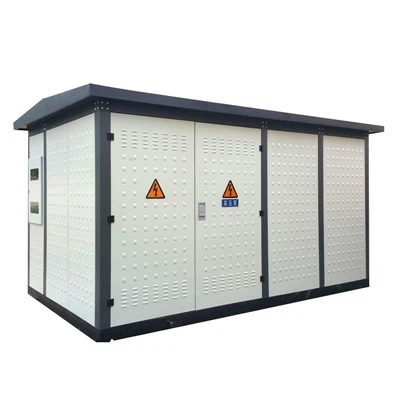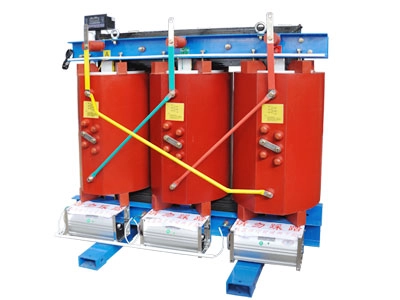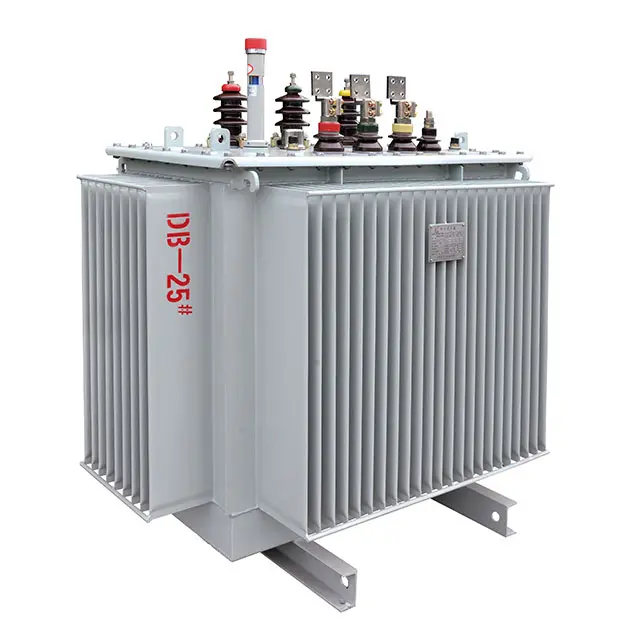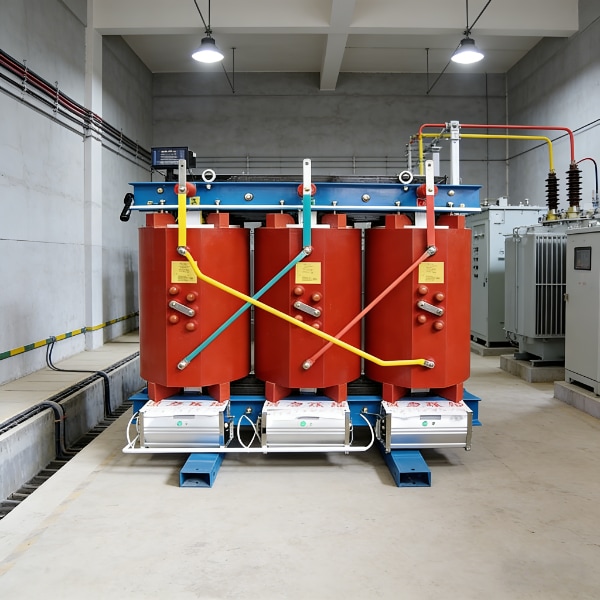
The electrical infrastructure in Honduras is undergoing a vital phase of expansion and rehabilitation, aimed at supporting both urban development and the growing agricultural and manufacturing sectors. As Honduras seeks to stabilize its national grid and expand rural electrification, the demand for highly reliable, weather-resistant electrical distribution equipment is surging. For local engineering firms, electrical contractors, and dedicated wholesale distributors operating within the Honduran market, sourcing robust distribution equipment directly from a specialized Power Transformer manufacturer provides a significant strategic and economic advantage. This comprehensive import guide explores the essential technical parameters, international compliance standards, and highly optimized sourcing strategies necessary for seamlessly integrating advanced distribution technology into Honduras’s evolving power networks.
Market Overview: Honduras Infrastructure and Rural Electrification
Honduras faces unique geographical and climatic challenges that heavily influence its energy sector. The national grid must be capable of delivering a highly stable, continuous power supply across diverse terrains, from humid coastal regions to mountainous inland areas. This environment demands equipment that can effortlessly manage electrical loads while withstanding harsh environmental conditions without compromising the overall integrity of the local grid. Consequently, the Honduran market is actively seeking highly advanced distribution solutions that deliver excellent energy conservation and exceptional mechanical durability. Upgrading the foundational substation infrastructure is a strict operational necessity to ensure consistent energy delivery across Honduras.
Furthermore, the ongoing development of localized industrial zones and the systematic modernization of rural distribution networks require highly versatile equipment. Honduran grid operators and large-scale EPC contractors are actively seeking long-term, strategic partnerships with a highly dependable Power Transformer supplier. These partnerships are absolutely essential for securing equipment that can effectively handle varying loads. Sourcing directly from the factory ensures that these highly specific technical requirements are met with absolute precision, completely avoiding the inflated expenses associated with multiple regional intermediaries.
Product Technology: Robust Liquid-Cooled Distribution Solutions
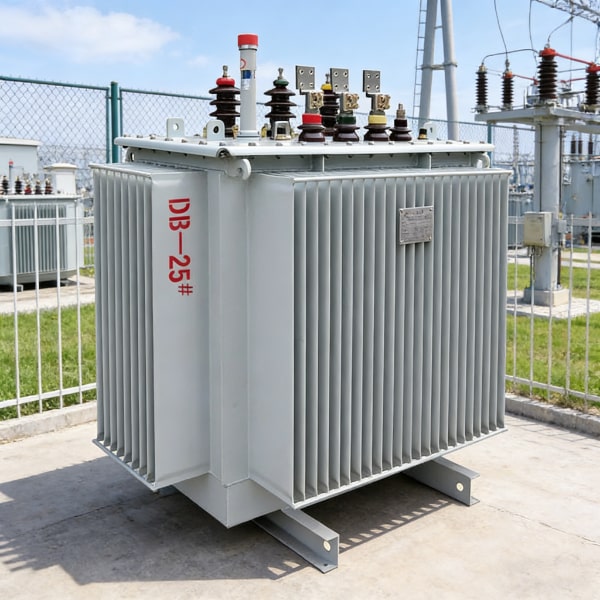
When selecting the appropriate equipment for extensive outdoor applications and general utility distribution in Honduras, understanding the core product technology is vital. The highly efficient Oil-immersed Transformer represents the standard for rugged, reliable distribution engineering. This specific class of equipment is meticulously designed to provide an incredibly reliable, low-loss solution for both outdoor substations and heavy industrial environments where maximum capacity and environmental resilience are required.
While certain highly specialized indoor facilities might strictly require a Dry-type Transformer for fire safety reasons, the vast majority of Honduras’s heavy industrial and utility distribution infrastructure relies entirely on proven liquid-cooled technology. These advanced units feature a highly optimized core architecture that delivers an exceptional reduction in no-load loss and load loss, while simultaneously lowering operational acoustic emissions. This leap in efficiency directly translates into substantial long-term operational savings for Honduran municipalities and private enterprises.
Technical Specifications: Optimal Capacity and Cooling
To ensure absolute compatibility with the Honduran national grid and maximize long-term operational efficiency, B2B buyers must strictly adhere to specific technical parameters when specifying distribution equipment. For general utility applications and commercial substations, the required rated capacity typically spans a broad range, starting from 30kVA up to 2500kVA. This extensive capacity flexibility allows engineering teams to precisely scale the distribution infrastructure to match the exact load profile of the facility, ensuring optimal performance across diverse applications in Honduras.
Voltage configuration must align perfectly with standard regional and specific Honduran grid requirements. The primary high-voltage side is typically engineered for 6kV, 10kV, or 35kV inputs, allowing for seamless integration into the transmission network. The secondary low-voltage side is generally configured for standard 0.4kV outputs, depending on the specific industrial requirements. Standard connection vector groups, predominantly Yyn0 and Dyn11, are meticulously utilized to ensure proper phase alignment and highly effective harmonic mitigation. The Dyn11 configuration is particularly preferred in modern Honduran networks due to its exceptional ability to handle zero-sequence harmonics generated by non-linear loads.
Advanced thermal management is a fundamentally critical aspect of the equipment design, especially considering the warm climate in Honduras. These distribution units employ highly effective, proven cooling methods, primarily ONAN (Oil Natural Air Natural). The strategic integration of this cooling system allows the equipment to safely and efficiently handle continuous load conditions without ever compromising the integrity of the robust Class A insulation system. Furthermore, the equipment is engineered with a precisely calibrated short-circuit impedance of 4% to 6%, which is absolutely vital for limiting destructive fault currents and fully protecting sensitive downstream electrical machinery.
Certification Requirements and International Compliance
Operating successfully within the Honduran market requires absolute adherence to comprehensive international certification standards. For professional wholesale distributors and direct B2B importers, rigorously verifying these essential credentials is a completely non-negotiable step in the diligent procurement process. Any standard electrical equipment legally imported into Honduras must prominently indicate full, verified compliance with all essential health, safety, and environmental protection directives.
Strict compliance with the globally recognized IEC 60076 series of standards is the absolute technical benchmark for the industry. These rigorous international standards strictly define the highly specific testing protocols required for verifying temperature rise limits, guaranteeing absolute dielectric strength, and ensuring long-term mechanical endurance under heavy operational stress. Professional buyers must actively demand complete, transparent type test reports from accredited, independent third-party testing laboratories to definitively verify that the imported Power Transformer meets these exact international standards.
Furthermore, the actual manufacturing facility producing the equipment must operate continuously under a verified ISO 9001 quality management system. This vital certification ensures that every single step of the highly complex production process, from initial raw material procurement to final factory assembly and rigorous electrical testing, is strictly controlled, fully documented, and completely traceable. This provides the Honduran buyer with absolute confidence in the structural integrity and long-term reliability of the investment.
Procurement Process and Wholesale Strategy
Establishing an efficient, highly reliable procurement pipeline is absolutely critical for serving the demanding Honduran market effectively. The procurement process typically initiates with a highly detailed technical consultation between the Honduran engineering team and the direct factory engineers. This direct, unfiltered communication ensures that all specific site requirements, including exact capacity, precise voltage, and specialized cooling configurations, are accurately captured and officially documented before the manufacturing process begins. By working directly with the factory, local distributors can completely bypass unnecessary intermediary markups, thereby successfully securing a highly competitive Power Transformer price that provides massive leverage in regional infrastructure tenders.
For initial pilot projects or specific facility upgrades, the factory easily accommodates a highly accessible Minimum Order Quantity (MOQ) of just 1 unit. However, for established national distributors actively engaging in large-scale Power Transformer wholesale operations, highly structured, long-term bulk procurement agreements are strongly recommended. These strategic bulk agreements offer highly favorable, tiered discount structures that significantly enhance local profit margins and completely streamline the regional supply chain in Honduras.
Financial transactions in this secure B2B space are carefully managed through standard, highly secure international payment terms, predominantly Telegraphic Transfer (T/T) or highly secure Letters of Credit (L/C). A standard commercial arrangement involves a 30% initial financial deposit to officially commence the highly customized manufacturing process, with the remaining balance securely cleared upon the final presentation of official testing documents and maritime shipping manifests.
Logistics, Packaging, and Sea Freight to Honduras
The physical, international transportation of extremely heavy, liquid-filled electrical equipment from the primary manufacturing facility directly to the Honduran installation site requires incredibly meticulous logistical planning. Because the internal core and coil assemblies are highly sensitive to severe mechanical impacts during long-distance transit, highly specialized, custom-engineered packaging is absolutely mandatory. The completed equipment is typically secured tightly to a heavy-duty steel base skid and fully enclosed in impact-resistant, moisture-proof wooden crates that strictly meet all ISPM 15 international phytosanitary standards.
Large-scale commercial shipments bound for Honduras usually arrive safely via major Central American commercial shipping ports, such as Puerto Cortés on the Caribbean coast, before being transported inland via heavy-duty freight networks. Proactively coordinating with highly experienced, specialized freight forwarders ensures that the heavy cargo is handled correctly, utilizing the designated lifting lugs and strictly adhering to the calculated center of gravity during all complex loading, unloading, and transshipment operations.
Honduran B2B buyers and import managers must meticulously prepare all necessary import documentation well in advance of the shipment’s arrival at the port of entry. The essential, legally required customs documents generally include the detailed Commercial Invoice, the comprehensive Packing List, the official Bill of Lading, and the stamped Certificate of Origin. Ensuring that every single one of these critical documents is absolutely accurate prevents highly costly delays at customs checkpoints and rapidly expedites the final inland delivery.
Comprehensive After-Sales Support and Maintenance
In the heavy electrical equipment sector, the commercial transaction absolutely does not end at the point of delivery. Robust, highly responsive after-sales support is a fundamental, non-negotiable requirement for maintaining long-term operational stability and grid security. A highly reliable manufacturing partner provides a comprehensive, documented quality assurance period, strictly guaranteeing the heavy equipment against any highly unlikely manufacturing defects for a standard duration of 12 months from the exact date of final commissioning. This critical warranty period provides crucial financial protection and operational peace of mind for the final Honduran end-user.
Beyond the standard quality warranty, immediate access to prompt technical support is absolutely vital. During the highly complex installation and energization phases, remote engineering support from the direct factory ensures that the sophisticated equipment is integrated into the Honduran grid safely and exactly according to precise technical specifications. Comprehensive installation manuals, detailed operational guidelines, and recommended maintenance schedules must be provided to the local engineering teams.
A highly structured, highly reliable spare parts policy is also an essential component of the comprehensive after-sales package. While the core components of the equipment are fundamentally designed for decades of continuous use, minor auxiliary elements such as temperature monitors or mechanical pressure relief valves may eventually require routine replacement due to normal wear. The factory must firmly guarantee the rapid availability and expedited international shipping of these critical spare parts to drastically minimize any potential facility downtime and completely ensure the continuous operation of the Honduran power network.