Panama’s electrical infrastructure market represents a dynamic segment in Central American industrial landscape, characterized by rapid economic development, expanding manufacturing sector, and strategic positioning as a regional logistics hub. With a robust economy driven by logistics, banking, and growing industrial sectors, Panama creates substantial demand for reliable power distribution equipment including industrial-grade transformers. This comprehensive procurement guide provides B2B buyers, distributors, and industrial operators with essential insights into sourcing transformer solutions for the Panamanian market, covering industry demand, technical requirements, certification standards, and supplier selection recommendations.
Panama Market Overview and Industry Demand
Panama’s electrical equipment market benefits from the country’s robust economic growth, which includes manufacturing, logistics, construction, and food processing sectors. These industries require reliable power distribution solutions capable of supporting continuous operations with high reliability standards.
The Panamanian energy sector has developed significantly, with increasing focus on modernizing electrical infrastructure to support industrial expansion. This development creates demand for quality transformer solutions that can support growing power requirements across various industrial applications. The Power Transformer supplier with established presence in Panama can leverage this growing market for long-term business relationships.
Panama’s strategic position as a logistics hub connecting North and South America facilitates regional distribution. The Power Transformer wholesale network serving Panama benefits from this central location for regional distribution activities throughout Central America.
Industrial demand in Panama, particularly in Panama City, Colon, and David regions, represents the largest market segment for power distribution equipment. These regions host concentrations of manufacturing facilities, commercial buildings, and industrial complexes requiring reliable electrical infrastructure.
Product Type Introduction
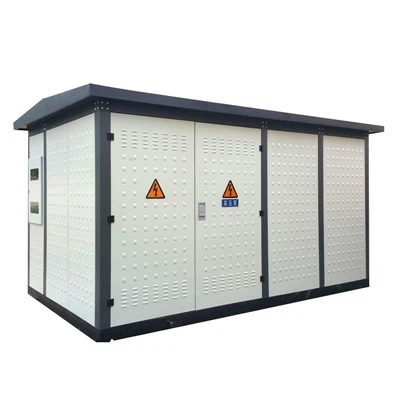
Power transformers serve critical functions in industrial electrical distribution systems, stepping down voltage from transmission levels to distribution levels suitable for manufacturing and commercial applications. Understanding product types helps B2B buyers select appropriate solutions for specific applications.
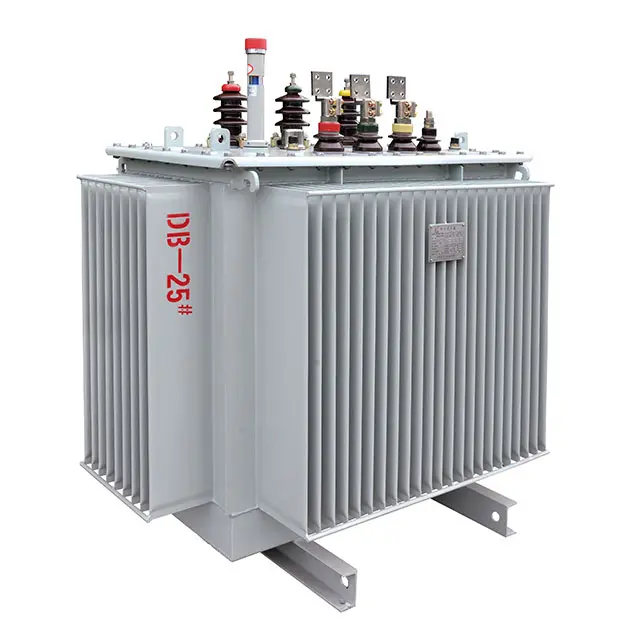
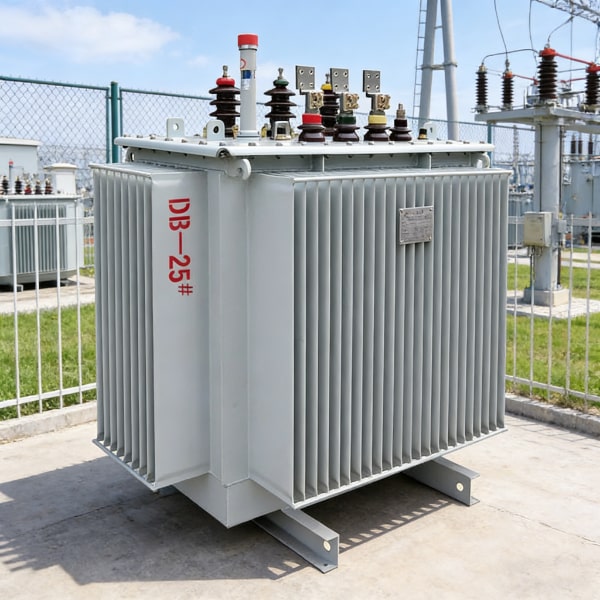
The Oil-immersed Transformer represents the primary solution for medium to high-capacity applications requiring robust construction and proven reliability. These units are designed for outdoor installation and continuous operation in demanding environments with excellent cooling characteristics.
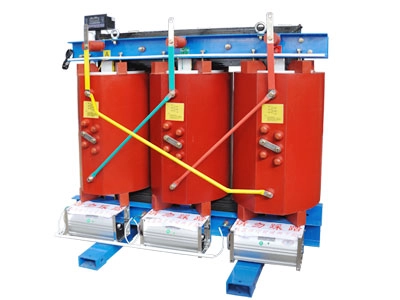
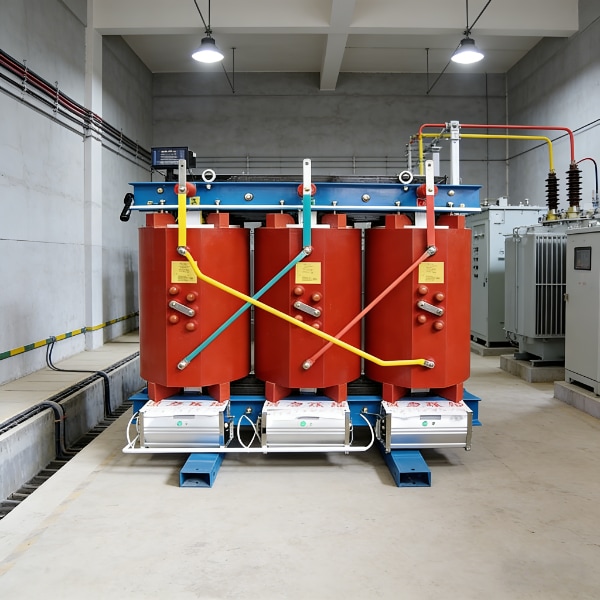
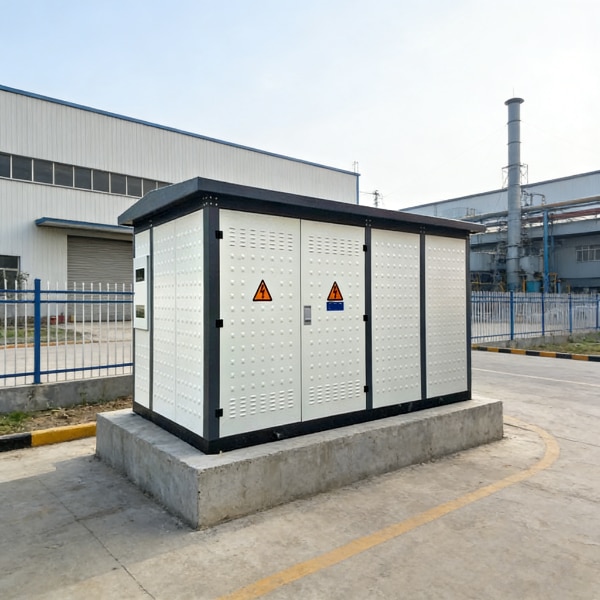
For applications requiring indoor installation or locations with fire safety concerns, the Dry-type Transformer provides an alternative solution with different operational characteristics. These units eliminate oil-related fire risks while maintaining reliable performance in sensitive environments.
For utility-scale distribution applications, oil-immersed transformers offer proven technology with excellent cooling characteristics and long service life. These units remain the preferred choice for utility distribution networks and industrial applications requiring high capacity.
Technical Selection Guide
Selecting appropriate transformer specifications requires careful evaluation of application requirements, load characteristics, and environmental conditions. The following technical parameters represent typical specifications for Panamanian market applications.
| Parameter | Specification |
| Rated Capacity | 30kVA – 5000kVA |
| High-voltage Side | 6kV, 10kV, 35kV |
| Low-voltage Side | 0.4kV |
| Connection Group | Yyn0, Dyn11 |
| Cooling Method | ONAN (Oil-immersed Natural) |
| Insulation Class | Class A |
| Short-circuit Impedance | 4% – 6% |
These specifications ensure compatibility with Panamanian electrical distribution systems, which operate at standard frequencies and voltages. The Power Transformer manufacturer should provide equipment meeting applicable standards for legal installation in Panama.
Certification Requirements
Understanding Panamanian certification requirements is essential for businesses seeking to supply or procure transformer equipment in the Panamanian market. Compliance with local standards ensures legal installation and operation.
ACODREN Certification: The National Authority of Public Services regulates electrical equipment in Panama. Transformer equipment must meet ACODREN standards for legal installation and operation in the country.
IEC Standards: International Electrotechnical Commission standards are widely recognized in Panama. Equipment meeting IEC 60076 requirements demonstrates compliance with international technical specifications.
ISO Certification: Quality management system certification, particularly ISO 9001, demonstrates manufacturer commitment to quality processes. Panamanian buyers frequently require supplier ISO certification as part of procurement qualification procedures.
UL Certification: For projects involving American companies or specifications, UL listing may be required. The Transformer factory should clarify certification requirements based on specific project needs.
Environmental Compliance: Panamanian regulations address environmental aspects including noise levels and disposal requirements. Equipment selection should consider these environmental compliance factors for sustainable operations.
Procurement Process
B2B buyers developing procurement strategies for the Panamanian market should understand the typical procurement process and key decision factors in this growing Central American market.
Requirements Specification: Begin by documenting detailed technical requirements including capacity, voltage specifications, installation environment, and any special application requirements. Clear specifications facilitate accurate quotations and appropriate product selection.
Supplier Qualification: Evaluate potential suppliers based on manufacturing capabilities, quality certifications, financial stability, and service support infrastructure. The Transformer supplier with proven track record in Latin American markets provides assurance of quality and reliability.
Quotation and Evaluation: Request detailed quotations including technical specifications, delivery terms, payment conditions, and after-sales support. Compare quotations considering total cost of ownership rather than simply initial purchase price.
Order Placement and Manufacturing: Upon supplier selection, establish clear order specifications and manufacturing schedule. Maintain communication throughout manufacturing process to monitor progress and address any issues promptly.
Shipping and Delivery: Coordinate logistics including packaging, shipping documentation, and delivery scheduling. Panamanian ports including Balboa, Cristobal, and Colon provide import entry points for transformer equipment.
Logistics and Shipping
Efficient logistics management is critical for successful transformer procurement, particularly given the physical size and weight of power distribution equipment.
Shipping Methods: For international procurement, sea freight represents the most economical option for large transformers, with shipping to Panamanian ports including Balboa and Cristobal. These major ports provide efficient entry points for equipment imports.
Packaging Requirements: Transformers require robust packaging to withstand transportation stresses. Standard packaging includes wooden crating for protection against mechanical damage, moisture protection, and secure fastening within shipping containers.
Customs Clearance: Importing transformer equipment into Panama requires documentation including commercial invoice, packing list, certificate of origin, and certification compliance documents. Working with experienced customs brokers facilitates smooth clearance procedures.
Domestic Transportation: Upon customs clearance, coordinate domestic transportation to final installation site. Heavy haulage permits may be required for large transformers traveling on Panamanian roads.
After-Sales Support
Comprehensive after-sales support is essential for maintaining transformer performance throughout equipment lifecycle in demanding industrial applications.
Technical Support: Access to technical expertise helps address installation questions, operational issues, and troubleshooting requirements. The authorized dealer network provides local technical support capabilities in Panama.
Spare Parts Availability: Maintaining inventory of critical spare parts ensures rapid response to maintenance requirements. The Power Transformer supplier should provide spare parts availability with reasonable delivery times.
Warranty Terms: Standard warranty periods typically cover manufacturing defects for specified periods. Understand warranty terms and procedures for filing warranty claims in Panama.
Maintenance Services: For buyers requiring comprehensive maintenance support, authorized dealers offer service contracts covering preventive maintenance, inspections, and emergency repairs throughout equipment lifecycle.
Supplier Selection Recommendations
Selecting the right supplier is critical for successful transformer procurement in the Panamanian market. Consider the following factors when evaluating potential partners.
Manufacturing Capability: Verify supplier manufacturing capabilities match your requirements, including production capacity, quality control processes, and engineering expertise. The Transformer manufacturer should demonstrate ability to produce equipment meeting your specifications.
Latin American Market Experience: Verify supplier experience in Latin American markets, particularly familiarity with regional certification requirements. Experience in Central American markets demonstrates understanding of local compliance requirements.
Quality Certifications: ISO 9001 certification indicates commitment to quality management. Additional certifications such as ISO 14001 for environmental management demonstrate broader organizational professionalism.
Service Infrastructure: Evaluate local service capabilities including technical support presence, spare parts inventory, and service engineer availability. Strong service infrastructure ensures responsive support when needed.
Financial Stability: Assess supplier financial health to ensure ability to fulfill long-term commitments including warranty support and spare parts availability. Financial stability protects your investment over equipment lifecycle.
Conclusion
Panama’s power transformer market offers substantial opportunities for B2B buyers seeking reliable electrical distribution equipment. With growing industrial base, strategic regional position, and developing infrastructure, Panama provides favorable conditions for procurement partnerships.
Successful market participation requires understanding local certification requirements, establishing qualified supplier relationships, and developing comprehensive procurement strategies. B2B buyers who invest in market understanding position themselves for successful project outcomes.
The authorized dealer network in Panama provides access to quality transformer solutions backed by local service support. The Power Transformer supplier with established Panamanian presence offers competitive advantages in terms of delivery times, technical support, and after-sales service.
As Panama continues developing industrial infrastructure and maintaining economic growth, demand for quality transformer solutions will remain strong. B2B buyers developing relationships with authorized dealers in Panama position themselves to capitalize on market opportunities while ensuring reliable equipment supply for their operations.