Poland’s strategic position in Central Europe, combined with its rapidly modernizing industrial sector and extensive grid infrastructure upgrades, has created a sustained demand for highly reliable electrical distribution equipment. As Polish utility operators and industrial facility managers seek to replace aging infrastructure and accommodate the growing integration of renewable energy sources, understanding the precise technical and procurement dynamics of the local market is crucial. This comprehensive guide provides electrical engineering firms, procurement specialists, and wholesale distributors with critical insights into sourcing heavy-duty equipment directly from an experienced Oil-immersed Transformer manufacturer, ensuring total compliance with Polish national standards and European Union regulations.
Market Overview: Infrastructure Development in Poland
The Polish electrical grid is currently undergoing significant transformation, driven by national energy security initiatives and a robust industrial expansion. The country’s strong manufacturing base, encompassing heavy metallurgy, automotive production, and chemical processing, requires incredibly stable, high-capacity power distribution networks. These industrial applications routinely demand continuous operation under heavy electrical loads, making the reliability of the foundational distribution equipment an absolute priority. To meet these rigorous demands, local project developers and electrical contractors are actively seeking partnerships with a highly reputable Power Transformer supplier capable of delivering robust, field-proven solutions.
Furthermore, the ongoing modernization of Poland’s rural electrification networks and the systematic expansion of suburban commercial zones require versatile equipment that can perform consistently in diverse environmental conditions. The Polish climate, characterized by cold winters and significant temperature fluctuations, necessitates equipment engineered with high-grade materials and exceptional thermal management capabilities. Selecting the appropriate Oil-immersed Transformer is fundamentally critical for ensuring long-term grid stability and minimizing expensive, unplanned facility downtime across both urban and rural installations.
Technical Specifications for Polish Distribution Networks
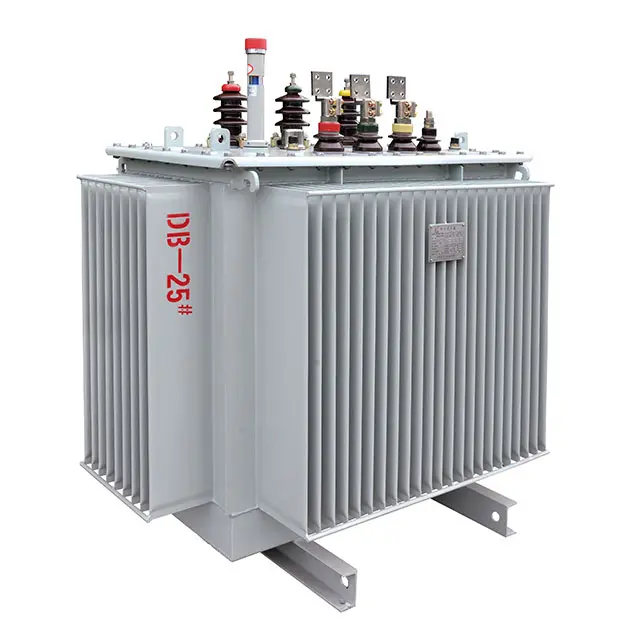
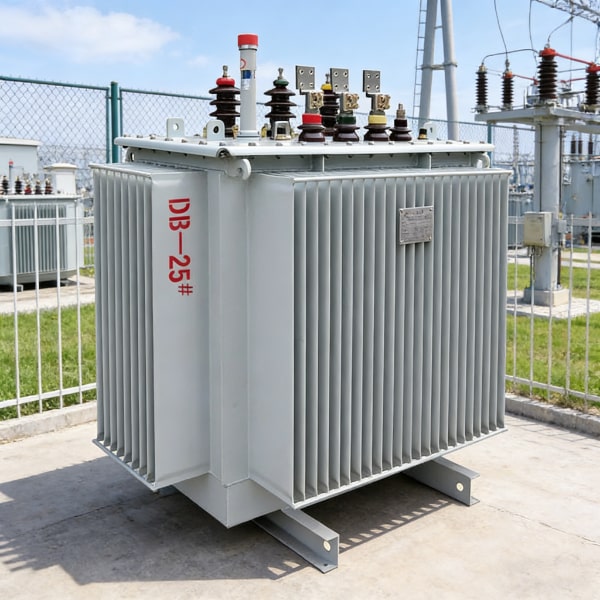
To guarantee absolute compatibility with the Polish national grid and ensure maximum operational efficiency, B2B buyers must strictly adhere to specific technical parameters when engaging with an international Power Transformer manufacturer. For standard distribution and heavy industrial applications, the highly versatile distribution architecture is the predominant market choice, offering an optimal balance of robust performance and substantial energy efficiency.
The required rated capacity for these distribution units strictly ranges from a highly adaptable 30kVA up to a massive 2500kVA. This broad capacity spectrum allows procurement teams to precisely match the equipment to the specific electrical load requirements of the installation site, whether it is a small rural distribution node or a large-scale industrial processing facility. The primary high-voltage side must be accurately configured for the standard Polish distribution voltages, typically 15kV or 20kV (often standardized in manufacturing as the 10kV to 35kV range depending on the specific regional grid), while the secondary low-voltage side is strictly standardized at the European norm of 0.4kV.
Thermal management is expertly handled through the highly reliable ONAN (Oil Natural Air Natural) cooling method. This proven cooling architecture utilizes high-grade, cold-resistant insulating oil that naturally circulates through external radiators, effectively dissipating internal core heat while simultaneously providing exceptional dielectric insulation. The equipment strictly utilizes a robust Class A insulation system, designed to safely withstand decades of continuous thermal cycling. Additionally, the standard connection vector groups, specifically Yyn0 and Dyn11, are meticulously employed to ensure proper phase alignment, with Dyn11 being particularly favored for its excellent ability to mitigate zero-sequence harmonic currents in modern industrial networks.
A critical technical advantage of the modern distribution architecture is its heavily optimized energy profile. Through the use of highly permeable silicon steel cores and advanced winding techniques, these units achieve a remarkable reduction in energy losses. Specifically, they deliver up to 30% lower no-load loss and 20% lower load loss when directly compared to older legacy equipment. This massive improvement in operational efficiency translates directly into substantial long-term financial savings for Polish grid operators and heavily supports national energy conservation mandates.
European Certification and Polish Import Requirements
Operating within the highly regulated Polish market requires absolute, uncompromising adherence to comprehensive European Union certification standards. For professional wholesale distributors and direct importers, rigorously verifying these essential credentials is a completely non-negotiable step in the procurement process. Any standard Power Transformer legally imported into Poland must prominently display the official CE mark, clearly indicating full, verified compliance with all essential European health, safety, and environmental protection directives, specifically including the Low Voltage Directive.
Beyond the mandatory CE mark, strict compliance with the globally recognized IEC 60076 series of standards is absolutely critical for establishing technical credibility. These comprehensive international standards dictate the rigorous testing protocols required for verifying temperature rise limits, verifying absolute dielectric strength, and ensuring acceptable operational sound levels. A highly reputable, globally focused manufacturing partner will always provide comprehensive, transparent type test reports generated by accredited, independent third-party testing laboratories to definitively validate these crucial performance metrics.
Additionally, the actual manufacturing facility must operate continuously under the strict guidelines of an ISO 9001 certified quality management system. This vital certification ensures that the entire production process—from initial raw material selection to final factory assembly and rigorous electrical testing—is consistently monitored, fully documented, and strictly controlled. These comprehensive certifications actively protect the Polish buyer from receiving non-compliant, sub-standard equipment that could cause massive delays during the strict Polish customs clearance process or fail subsequent national technical inspections.
Procurement Process and Wholesale Commercial Strategies
Establishing a highly streamlined, deeply efficient procurement process is absolutely essential for regional Polish distributors, procurement managers, and large-scale EPC contractors. The procurement journey typically begins with an exhaustive, highly detailed technical consultation designed to perfectly align the specific project requirements with the appropriate equipment specifications. Direct, transparent communication with the actual factory engineering team ensures that every single technical parameter is accurately defined, documented, and officially agreed upon prior to manufacturing. This direct factory relationship completely eliminates unnecessary intermediary financial markups, effectively optimizing the overall Power Transformer price.
For standard commercial projects or initial pilot installations, the factory’s Minimum Order Quantity (MOQ) policy is typically set at a highly accessible, risk-free 1 unit minimum. However, for established regional distributors actively engaging in high-volume Power Transformer wholesale operations, highly structured, tiered bulk procurement agreements are readily available. These strategic, volume-based commercial arrangements provide significant, measurable financial advantages, reducing per-unit shipping burdens and substantially improving the net profit margins for the local Polish distributor.
Payment terms in secure international B2B transactions are conventionally structured around standard Telegraphic Transfer (T/T) or secure Letter of Credit (L/C) instruments. A highly standard, industry-accepted approach involves a preliminary financial deposit (often around 30%) to officially initiate the custom manufacturing process, with the remaining balance securely cleared upon the final presentation of the official shipping documents and factory testing reports. This mutually secure financial framework actively protects both the Polish buyer and the international manufacturer.
Logistics, Packaging, and Shipping to Poland
The physical, international transportation of extremely heavy, liquid-filled electrical equipment from the primary manufacturing facility directly to the Polish installation site requires incredibly meticulous logistical planning. Because the internal core and coil assemblies are highly sensitive to severe mechanical impacts during long-distance transit, highly specialized, custom-engineered packaging is absolutely mandatory. The completed equipment is typically secured tightly to a heavy-duty base skid and fully enclosed in impact-resistant wooden crates that strictly meet all ISPM 15 international phytosanitary standards.
Large-scale commercial shipments bound for Poland usually arrive safely via major European commercial shipping ports, such as the Port of Gdansk or the Port of Gdynia, or occasionally via extensive international rail freight networks depending on the specific supply chain routing. Proactively coordinating with highly experienced, specialized freight forwarders ensures that the heavy cargo is handled correctly, utilizing the designated lifting lugs and strictly adhering to the calculated center of gravity during all complex loading and unloading operations.
B2B buyers and import managers must meticulously prepare all necessary import documentation well in advance of the shipment’s arrival. The essential, legally required customs documents generally include the detailed Commercial Invoice, the comprehensive Packing List, the official Bill of Lading, the stamped Certificate of Origin, and the all-important CE Declaration of Conformity. Ensuring that every single one of these critical documents is absolutely accurate prevents highly costly delays at Polish customs checkpoints and rapidly expedites the final inland delivery to the installation site.
Comprehensive After-Sales Support and Technical Maintenance
A fundamentally critical component of any successful B2B procurement strategy is the absolute assurance of robust, highly responsive after-sales support. A highly standard, industry-leading quality assurance period of exactly 12 months is typically provided by the factory, comprehensively covering any highly unlikely manufacturing defects or operational anomalies. During the critical initial installation and commissioning phase, immediate access to comprehensive technical manuals and remote expert engineering guidance ensures that the sophisticated equipment is energized safely and correctly according to Polish grid regulations.
Furthermore, a truly reliable, globally minded manufacturer always maintains a highly structured, well-stocked spare parts policy. Should any minor auxiliary components, such as external oil level gauges, silica gel breathers, or mechanical pressure relief valves, require rapid replacement due to standard operational wear, prompt international availability and expedited shipping are fully guaranteed. This exceptionally high level of dedicated support drastically minimizes facility downtime and permanently ensures the continuous, absolutely safe operation of the Polish facility’s critical electrical distribution network.
Strategic Supplier Selection for the Polish Market
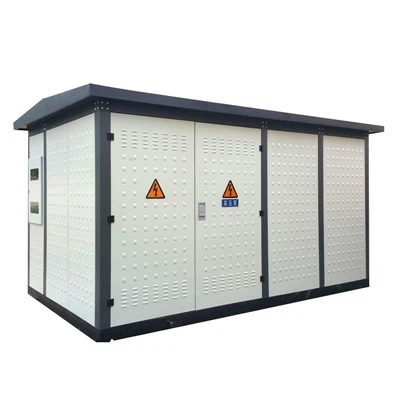
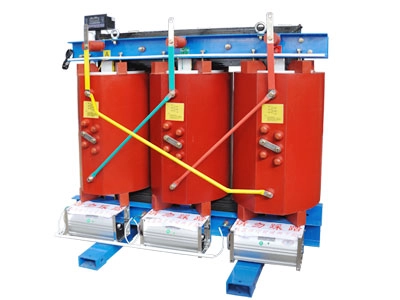
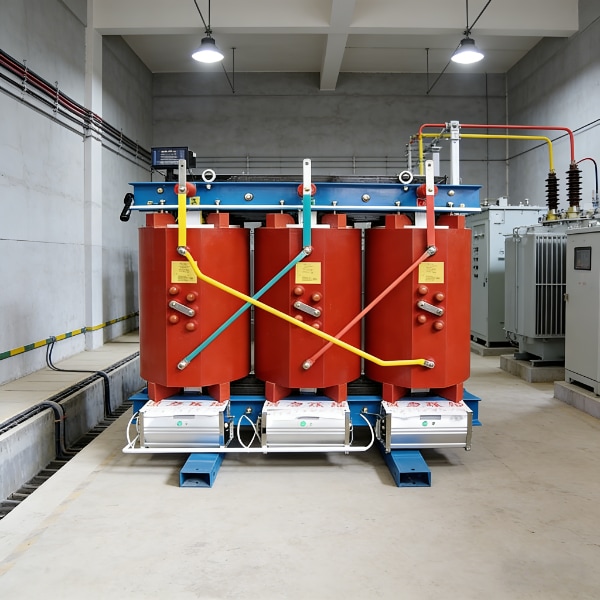
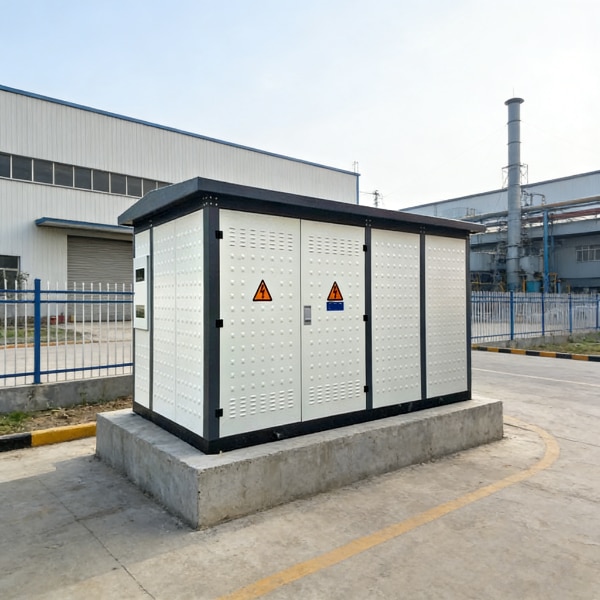
For Polish engineering businesses and wholesale electrical distributors, selecting the absolute right international manufacturing partner is a highly strategic, long-term business decision. The truly ideal factory partner operates actively as a comprehensive technical solutions provider rather than just a simple vendor. While some highly specialized indoor applications (such as deep subterranean mines or critical hospital basements) might necessitate a fire-resistant Dry-type Transformer, the vast majority of Poland’s heavy industrial and outdoor distribution infrastructure relies heavily on the proven, highly efficient liquid-cooled technology discussed here.
When carefully evaluating potential international partners, procurement teams should heavily prioritize those factories with deeply proven, extensively documented expertise specifically in the required 30kVA to 2500kVA capacity range and the advanced low-loss core technology. Establishing direct, unfiltered factory relationships provides invaluable, direct access to the core engineering team. By forging a strong, highly communicative partnership with a dedicated, professional manufacturing facility, Polish B2B enterprises can confidently ensure a highly reliable supply chain, absolutely consistent product quality, and a massive, sustainable competitive edge in the rapidly expanding Central European electrical equipment market.