Romania’s industrial sector has experienced significant growth in recent years, driven by manufacturing expansion, infrastructure development, and increasing energy demands across commercial and industrial applications. The country’s strategic location in Eastern Europe, combined with its membership in the European Union, creates substantial opportunities for businesses seeking reliable power distribution equipment. This comprehensive procurement guide provides B2B buyers, distributors, and industrial operators with essential information about sourcing power transformers in Romania, including market dynamics, product selection criteria, and supplier partnership strategies.
Romania’s Industrial Market Overview
Romania represents one of the largest industrial markets in Eastern Europe, with a diverse economy spanning manufacturing, automotive production, energy generation, and commercial construction. The country’s GDP growth reflects ongoing industrial expansion, creating consistent demand for electrical infrastructure components including power transformers.
Manufacturing facilities across Romania’s industrial zones require reliable electrical distribution systems capable of supporting production operations. Automotive manufacturing, food processing, and industrial equipment production represent key sectors driving transformer demand. These operations require transformers capable of handling continuous loads with high reliability.
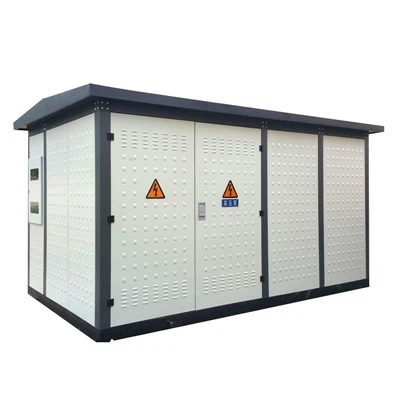
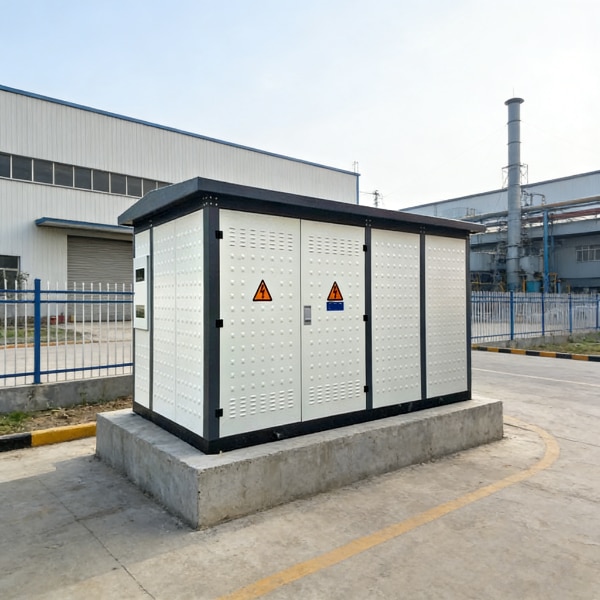
Commercial construction in major cities including Bucharest, Cluj-Napoca, Timisoara, and Iasi continues expanding, with office buildings, shopping centers, and residential complexes requiring robust electrical infrastructure. Urban development creates demand for both indoor and outdoor transformer solutions depending on installation requirements.
Romania’s energy sector modernization drives grid infrastructure upgrades, with utilities and industrial facilities investing in improved power distribution capabilities. These investments create opportunities for quality transformer suppliers capable of meeting technical requirements.
Product Type Introduction
Power transformers serve essential functions in electrical distribution systems, stepping voltage levels up or down to match application requirements. Understanding different transformer types helps procurement professionals select appropriate equipment for specific installations.
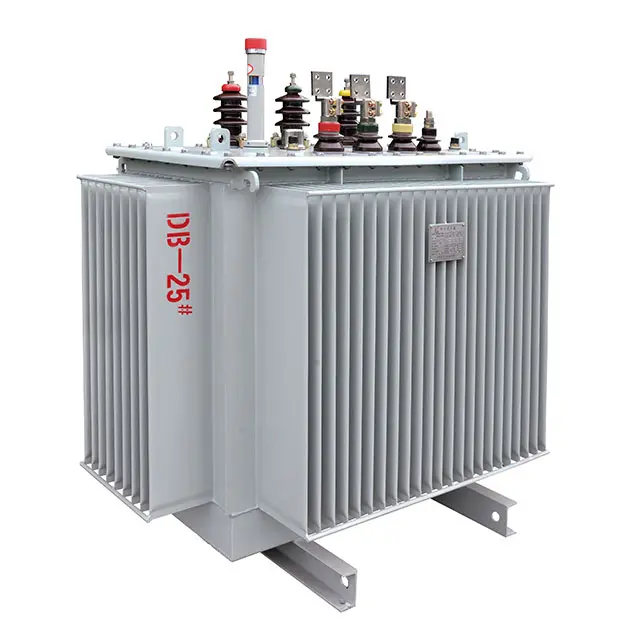
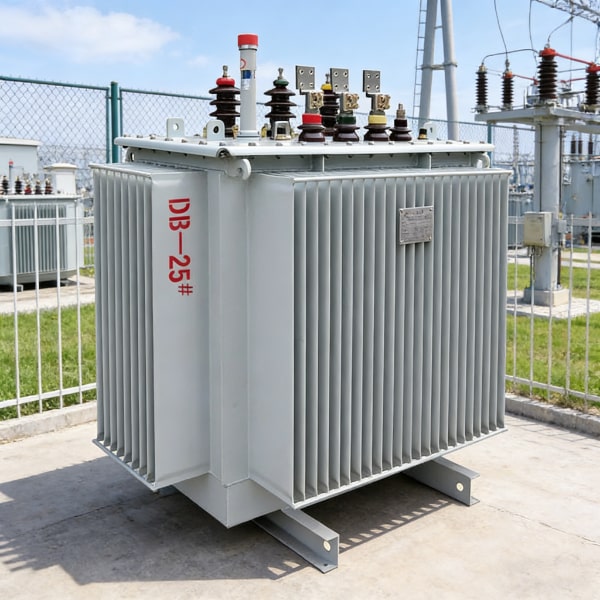
Oil-immersed transformers utilize mineral oil as cooling and insulation medium, offering proven reliability for outdoor applications and high-capacity installations. These units provide excellent heat dissipation and long operational lifecycles, making them suitable for utility and industrial applications.
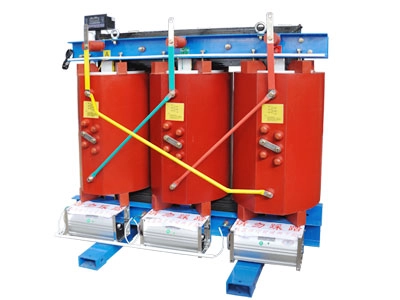
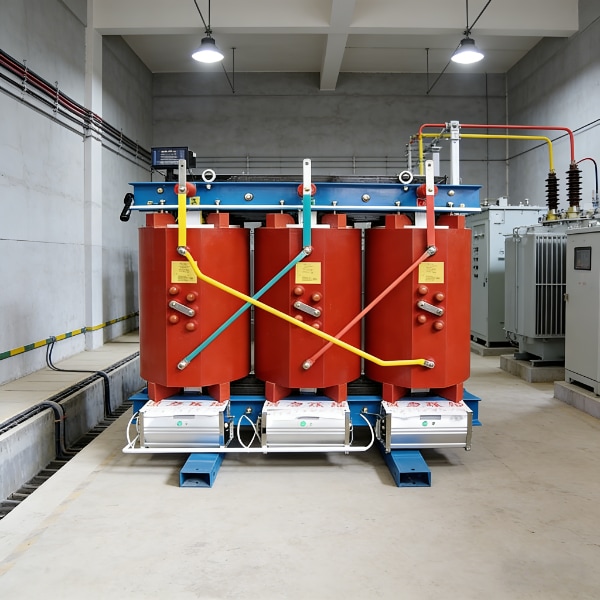
Dry-type transformers use air cooling and solid insulation, eliminating fire risks associated with oil-filled units. These transformers suit indoor installations where fire safety is paramount, including commercial buildings, hospitals, and data centers.
For Romanian applications, the Power Transformer selection depends on specific installation requirements, environmental conditions, and operational parameters. Each technology offers distinct advantages depending on application needs.
Technical Selection Guide
Selecting appropriate transformer specifications ensures optimal performance and reliable operation throughout equipment lifecycle. Romanian buyers should evaluate several key technical parameters when specifying equipment.
| Parameter | Specification |
| Rated Capacity | 50kVA – 5000kVA |
| High-voltage Side | 6kV, 10kV, 35kV |
| Low-voltage Side | 0.4kV, 10kV |
| Connection Group | Yyn0, Dyn11, Yd11 |
| Cooling Method | ONAN (Natural), ONAF (Forced Air) |
| Insulation Class | Class A |
| Short-circuit Impedance | 4% – 6% |
Capacity selection should consider present load requirements plus adequate margin for future growth. Romanian industrial facilities typically require capacities ranging from 500kVA for smaller operations to 5000kVA for large manufacturing complexes.
Voltage configurations must match local grid standards. Romanian distribution systems operate at standard European voltages, requiring transformers with appropriate high-voltage and low-voltage ratings for seamless integration.
Certification Requirements
Transformers sold in Romania must comply with European Union regulations and Romanian technical standards. Understanding certification requirements ensures equipment meets regulatory compliance for legal installation and operation.
CE Marking represents mandatory certification for electrical equipment sold within the European Economic Area. Romanian importers must ensure transformers carry appropriate CE marking demonstrating compliance with applicable EU directives, including Low Voltage Directive and Electromagnetic Compatibility Directive.
IEC Standards provide technical foundation for transformer requirements. Key standards include IEC 60076 for power transformer design and testing. Equipment meeting IEC specifications ensures consistent quality and performance.
ISO Certification indicates manufacturer quality management systems. While not mandatory for product import, ISO 9001 certification demonstrates manufacturing quality commitment and may be required by certain procurement specifications.
The Power Transformer supplier should provide complete documentation packages including certificates of conformity, test reports, and technical specifications demonstrating compliance with applicable requirements.
Procurement Process
Successful transformer procurement follows a structured process ensuring equipment meets requirements while maintaining project timelines and budget constraints. Romanian buyers should follow established procurement practices for optimal outcomes.
Requirements Definition: Begin by documenting detailed technical requirements including capacity, voltage specifications, installation environment, and any special considerations. Working with qualified electrical engineers helps ensure accurate requirement specifications.
Supplier Identification: Identify potential suppliers based on technical capability, quality certifications, pricing, and service support. Evaluating multiple suppliers helps ensure competitive pricing and optimal partnership fit.
Technical Evaluation: Request detailed technical documentation from shortlisted suppliers, including specifications, test certificates, and quality records. Verify equipment meets Romanian technical requirements before proceeding.
Commercial Negotiation: Negotiate pricing, payment terms, delivery schedules, and service support. Establishing clear commercial terms helps prevent misunderstandings and ensures smooth order execution.
Order Execution: Confirm order details and establish communication channels for production updates and logistics coordination. Maintaining regular contact throughout production ensures timely delivery.
Logistics and Shipping
International logistics coordination ensures equipment arrives safely and on schedule. Romanian buyers should understand shipping options and documentation requirements for smooth customs clearance.
Shipping Methods: Sea freight offers cost-effective transport for large equipment, with containers typically used for transformer shipments. Air freight provides faster delivery for urgent requirements but incurs higher costs.
Major Ports: Romanian ports including Constanta and Midia provide entry points for maritime shipments. Overland transport from European manufacturing locations offers alternative shipping options for time-sensitive deliveries.
Customs Documentation: Proper documentation including commercial invoice, packing list, and certificate of origin facilitates customs clearance. The Transformer factory should provide accurate documentation to prevent delays.
Inland Transportation: Coordinate domestic transport from port to final destination. Specialized heavy transport contractors handle transformer delivery, ensuring proper handling of valuable equipment.
After-Sales Support
Comprehensive after-sales support enhances transformer investment value throughout equipment lifecycle. Evaluating supplier support capabilities helps ensure ongoing operational reliability.
Technical Assistance: Access to technical support proves valuable during installation, commissioning, and operational phases. The Power Transformer manufacturer with responsive support teams can address questions quickly, minimizing equipment downtime.
Spare Parts: Spare parts availability ensures prompt maintenance response when components require replacement. Establishing parts procurement relationships during initial purchase facilitates future maintenance activities.
Warranty Support: Manufacturer warranty provides protection against equipment defects. Understanding warranty terms and claim processes ensures appropriate support when issues arise.
Training Services: Some suppliers offer training programs covering installation, operation, and maintenance practices. These services help ensure proper equipment handling and extended service life.
Supplier Selection Recommendations
Selecting appropriate transformer suppliers requires evaluation of multiple factors beyond initial pricing. The right partner provides equipment quality and ongoing support that maximize equipment value.
Technical Capability: Verify suppliers can provide equipment meeting Romanian technical requirements and application specifications. The Transformer manufacturer should provide detailed technical documentation demonstrating compliance.
Quality Systems: Quality certifications including ISO 9001 indicate manufacturing quality commitment. These certifications help ensure consistent product quality and reliable equipment performance.
Production Capacity: Evaluate manufacturing capacity to ensure ability to meet volume requirements and delivery timelines. This is particularly important for large projects or time-sensitive deployments.
Financial Stability: Assess supplier financial health to ensure long-term partnership viability. Stable suppliers can provide ongoing support and spare parts availability throughout equipment lifecycle.
Communication Quality: Responsive communication indicates partnership commitment. Suppliers who communicate clearly and promptly typically provide better overall service experience.
Conclusion
Romania’s industrial growth creates substantial opportunities for power transformer procurement. B2B buyers who understand market requirements, technical specifications, and procurement best practices position themselves for successful project outcomes.
Successful transformer procurement requires clear understanding of application requirements, careful supplier evaluation, and structured implementation processes. Partnering with qualified suppliers ensures access to equipment meeting Romanian technical standards while providing ongoing support throughout the equipment lifecycle.
As Romania continues developing its industrial infrastructure, demand for quality power transformer solutions will remain strong. The Power Transformer wholesale options provide competitive access to equipment for businesses seeking reliable electrical infrastructure.
B2B buyers who establish strategic supplier relationships now will be well-positioned to capture future opportunities in this growing market. For indoor applications requiring fire safety, the Dry-type Transformer offers suitable alternatives to traditional oil-immersed solutions.