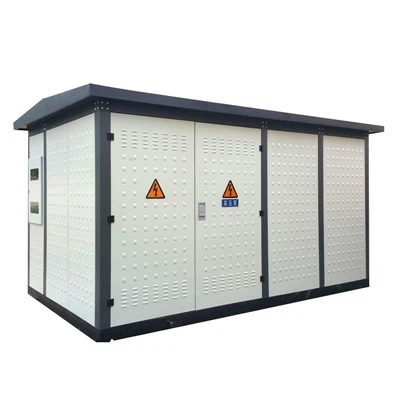
Norway represents one of the most advanced and stable energy markets in the world, characterized by its extensive reliance on renewable energy, particularly hydropower, and its continuous commitment to grid modernization. As the country accelerates its transition toward full electrification in transportation, industrial processes, and residential heating, the demand for highly efficient electrical distribution equipment has surged significantly. For electrical engineering firms, procurement specialists, and wholesale distributors operating within the Nordic region, understanding the specific dynamics of this market is absolutely critical. This comprehensive market guide provides deep insights into the procurement of high-capacity equipment from a reliable Power Transformer manufacturer, ensuring that your infrastructure projects meet the stringent technical, environmental, and regulatory requirements of the Norwegian electrical grid.
Market Size and Trends in the Norwegian Energy Sector
The Norwegian electrical infrastructure is currently undergoing a massive and structural transformation. With the increasing integration of decentralized renewable energy sources, the expansion of onshore wind farms, and the rapid development of specialized data centers, the national grid requires robust, highly efficient distribution solutions. This ongoing modernization effort creates a substantial, long-term demand for upgraded substations and distribution networks capable of handling fluctuating loads and extreme weather conditions. The market trend heavily favors equipment that can deliver exceptional energy efficiency while minimizing operational losses, perfectly aligning with Norway’s ambitious carbon-neutrality goals and strict environmental protection standards.
Furthermore, the electrification of the Norwegian maritime sector and the expansion of shore-to-ship power facilities have opened entirely new avenues for equipment deployment along the extensive coastline. These specialized applications demand electrical infrastructure that is not only highly reliable but also capable of operating flawlessly in harsh, saline, and extremely cold coastal environments. Local distributors and major project developers are actively seeking partnerships with a reputable Power Transformer supplier that can provide deep engineering flexibility, rapid technical support, and rigorous quality control to meet these unique Nordic environmental challenges effectively.
In this dynamic economic landscape, the shift toward high-efficiency equipment is not merely a preference but a strict regulatory and economic necessity. Upgrading legacy systems with modern, advanced Power Transformer units allows regional grid operators to significantly reduce transmission losses, heavily optimize energy distribution, and greatly enhance the overall stability of the power networks. Understanding these macro-economic trends and regulatory pressures is the vital first step for any B2B entity looking to establish a strong, profitable foothold in the highly competitive Norwegian electrical supply chain.
Main Application Areas and Infrastructure Requirements
The deployment of electrical distribution equipment in Norway spans several critical sectors, each presenting its own distinct operational requirements and technical challenges. One of the primary application areas involves utility-scale power stations and major substation infrastructure. These critical nodes in the national grid require heavy-duty, industrial-grade equipment capable of stepping down high-voltage transmission lines to medium-voltage distribution networks safely and efficiently. The reliability of these massive installations is absolutely paramount, as any unexpected equipment failure can result in widespread power outages affecting thousands of residential consumers and vital commercial enterprises.
Large residential areas and rapidly expanding urban centers also represent a significant portion of the continuous market demand. As Norwegian cities grow and the massive adoption of electric vehicles heavily increases the baseline residential power consumption, local distribution networks must be systematically upgraded to handle the additional electrical load safely. In these densely populated environments, minimizing operational noise is a critical consideration due to strict municipal noise pollution regulations. Modern equipment designed with advanced core materials and precise manufacturing techniques can achieve significantly lower noise emissions, making them ideal for seamless integration into quiet neighborhoods.
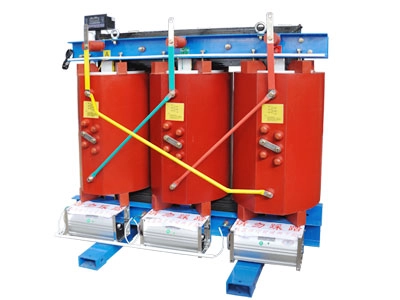
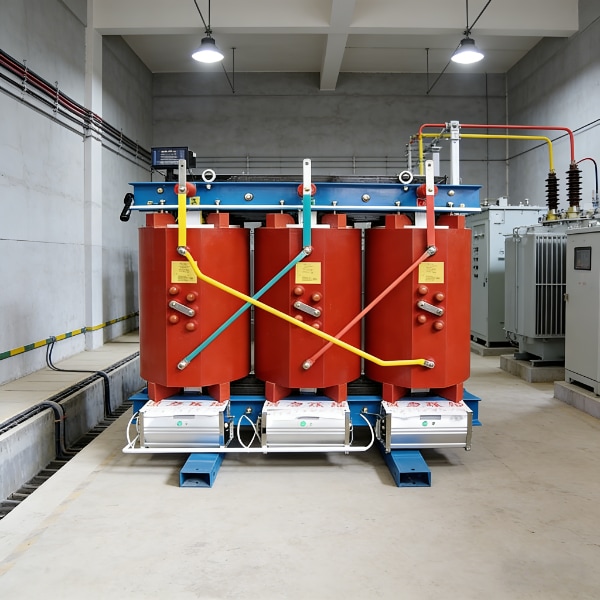
Industrial systems, including heavy manufacturing facilities, metallurgical plants, and large-scale timber processing operations, demand continuous, uninterrupted power supply. These industrial environments often generate complex electrical loads and require equipment with exceptional mechanical strength to easily withstand potential short-circuit forces. While some specialized indoor industrial applications might strictly require a Dry-type Transformer for absolute fire safety and indoor compliance, the vast majority of heavy outdoor industrial distribution relies on highly efficient, high-capacity liquid-cooled systems that can manage massive power requirements effectively over decades of continuous operation.
Technical Specifications Detail for the Nordic Environment
Selecting the precise and correct technical specifications is absolutely crucial for ensuring grid compatibility, maximizing energy efficiency, and guaranteeing long-term operational reliability in Norway. The current market standard for heavy distribution and power station applications typically dictates a rated capacity strictly ranging from 50kVA up to an impressive 5000kVA. This incredibly broad capacity range allows project engineers and procurement teams to precisely match the purchased equipment to the specific load requirements of the installation site, whether it is a small rural distribution node or a massive, energy-intensive industrial complex.
Voltage configuration must align perfectly with the established Norwegian grid standards. The primary high-voltage side is generally engineered and configured for 6kV, 10kV, or 35kV inputs, while the secondary low-voltage side is typically configured for standard 0.4kV or 10kV outputs. Standard connection vector groups, specifically Yyn0, Dyn11, and Yd11, are meticulously utilized to ensure proper phase alignment and highly effective harmonic mitigation. The Dyn11 configuration is particularly preferred in modern distribution networks to expertly handle zero-sequence harmonics generated by modern non-linear loads such as industrial motor drives, massive data centers, and extensive EV charging networks.
Thermal management is a fundamentally critical aspect of the equipment design, especially considering the fluctuating loads of the modern grid. These high-capacity units employ highly effective, proven cooling methods, primarily ONAN (Oil Natural Air Natural) and ONAF (Oil Natural Air Forced). The strategic integration of ONAF cooling systems allows the equipment to safely and efficiently handle temporary peak load conditions by automatically engaging auxiliary cooling fans, thereby increasing the effective power output without ever compromising the integrity of the robust Class A insulation system. Furthermore, the equipment is engineered with a precisely calibrated short-circuit impedance of 4% to 6%, which is absolutely vital for limiting destructive fault currents and fully protecting downstream infrastructure.
Perhaps the most significant technical advantage of these modern units is their ultra-high efficiency. Advanced core designs utilizing high-permeability silicon steel and high-grade conductive materials result in operational efficiency that is remarkably 40% better than older, legacy distribution models. This massive reduction in both no-load and load losses translates directly into substantial, measurable long-term financial savings for grid operators and industrial facilities, while also contributing heavily to national energy conservation and sustainability targets.
Entry Requirements and Quality Certification
The Norwegian market, being closely aligned with European Economic Area (EEA) regulations, enforces strict, uncompromising compliance and certification requirements for all imported electrical equipment. Navigating these complex regulatory frameworks is absolutely essential for distributors and wholesale importers. First and foremost, all imported electrical equipment must prominently and permanently bear the CE mark, legally certifying full compliance with the relevant European health, safety, and environmental protection directives, specifically including the Low Voltage Directive and the Electromagnetic Compatibility Directive. Without proper, verifiable CE documentation, customs clearance into Norway is strictly prohibited.
Beyond the mandatory CE marking, comprehensive adherence to the globally recognized IEC 60076 series of standards is the absolute technical benchmark for the industry. These rigorous international standards strictly define the specific testing protocols required for verifying temperature rise limits, guaranteeing dielectric strength, and ensuring long-term mechanical endurance. Professional B2B buyers must actively demand complete, transparent type test reports from accredited, independent third-party testing laboratories to definitively verify that the equipment meets these exact international standards. A highly reputable manufacturing partner will always have these critical documents readily available for immediate review.
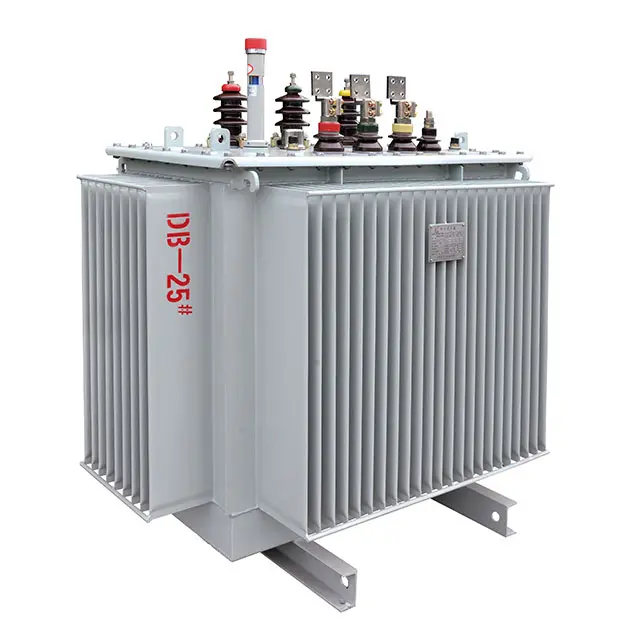
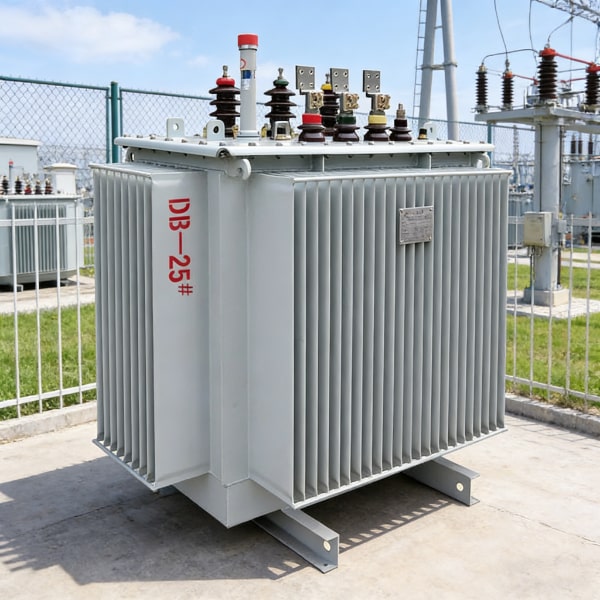
Furthermore, the actual manufacturing facility producing the equipment must operate continuously under a verified ISO 9001 quality management system. This vital certification ensures that every single step of the production process, from initial raw material procurement to final factory assembly and rigorous electrical testing, is strictly controlled, documented, and traceable. Given the harsh Nordic climate, buyers should also rigorously verify that the specific Oil-immersed Transformer utilizes high-grade, cold-resistant insulating fluids that maintain proper viscosity and excellent dielectric properties even during severe winter temperature drops.
Procurement Process, Logistics, and Wholesale Distribution
Establishing an efficient, highly reliable procurement pipeline is absolutely critical for serving the demanding Norwegian market effectively. The procurement process typically initiates with a highly detailed technical consultation between the Norwegian engineering team and the factory directly. This direct, unfiltered communication ensures that all specific site requirements, including exact capacity, precise voltage, and specialized cooling configurations, are accurately captured and officially documented before the manufacturing process begins. By working directly with the factory, distributors can completely bypass unnecessary intermediary markups, thereby successfully securing a highly competitive Power Transformer price.
For initial pilot projects, specific facility upgrades, or highly specialized single installations, the factory easily accommodates a highly accessible Minimum Order Quantity (MOQ) of just 1 unit. However, for established national distributors engaging in large-scale Power Transformer wholesale operations, highly structured, long-term bulk procurement agreements are strongly recommended. These strategic bulk agreements offer highly favorable, tiered discount structures that significantly enhance local profit margins and provide much better financial leverage when competitively bidding on major municipal or industrial infrastructure tenders.
Financial transactions in this secure B2B space are carefully managed through standard, highly secure international payment terms, predominantly Telegraphic Transfer (T/T) or highly secure Letters of Credit (L/C). A standard, mutually beneficial commercial arrangement involves a 30% initial financial deposit to officially commence custom manufacturing, with the remaining balance securely cleared upon the final presentation of official testing documents and maritime shipping manifests. This professional structure actively minimizes financial risk for both commercial parties.
Logistics and physical transportation to Norway require incredibly meticulous planning due to the heavy weight and sensitive nature of the equipment. The heavy equipment is securely fastened to reinforced steel skids and fully protected by impact-resistant, moisture-proof export packaging that meets international shipping standards. Sea freight is generally the most common and highly cost-effective transportation method, with major commercial shipments arriving safely at key Norwegian commercial ports such as the Port of Oslo, the Port of Bergen, or the Port of Stavanger. Coordinating with highly experienced, specialized freight forwarders ensures that the heavy cargo is handled safely during maritime transit and efficiently clears Norwegian customs immediately upon arrival.
Comprehensive After-Sales Support and Maintenance
In the heavy electrical equipment sector, the commercial transaction absolutely does not end at the point of delivery. Robust, highly responsive after-sales support is a fundamental, non-negotiable requirement for maintaining long-term operational stability and grid security. A highly reliable manufacturing partner provides a comprehensive, documented quality assurance period, strictly guaranteeing the heavy equipment against any unlikely manufacturing defects for a standard duration of 12 months from the exact date of final commissioning. This critical warranty period provides crucial financial protection and operational peace of mind for the final end-user.
Beyond the standard quality warranty, immediate access to prompt technical support is absolutely vital. During the highly complex installation and energization phases, remote engineering support from the direct factory ensures that the sophisticated equipment is integrated into the Norwegian grid safely and according to precise technical specifications. Comprehensive installation manuals, detailed operational guidelines, and recommended maintenance schedules must be provided to the local engineering teams to facilitate proper, long-term care of the asset.
A highly structured, highly reliable spare parts policy is also an essential component of the comprehensive after-sales package. While the core components of the equipment are fundamentally designed for decades of continuous use, minor auxiliary elements such as temperature monitors, mechanical pressure relief valves, or specific ONAF cooling fans may eventually require routine replacement due to normal operational wear. The factory must firmly guarantee the rapid availability and expedited international shipping of these critical spare parts to drastically minimize any potential facility downtime and completely ensure the continuous, highly reliable operation of the Norwegian power network.
Investment Recommendations and Strategic Partnerships
For Norwegian electrical distributors, wholesale companies, and large EPC contractors looking to strategically capitalize on the massive ongoing infrastructure modernization, establishing a direct, long-term strategic partnership with a dedicated manufacturing facility is unequivocally the most effective approach. Direct commercial partnerships ensure complete, mutual transparency regarding critical technical specifications, accurate production timelines, and rigorous quality control processes. This direct line of professional communication is absolutely invaluable when dealing with the highly complex, custom-engineered solutions required for specialized Nordic applications.
When carefully evaluating potential international manufacturing partners, procurement managers should rigorously verify their documented experience in manufacturing high-capacity equipment, specifically up to the required 5000kVA threshold, and their proven ability to consistently meet the highly stringent European certification standards. A manufacturer with deeply established Original Equipment Manufacturer (OEM) and Original Design Manufacturer (ODM) capabilities offers immense additional strategic value, actively allowing ambitious Norwegian distributors to build, expand, and solidify their own trusted local brand identity while confidently relying on proven, high-quality international engineering.
By systematically and carefully selecting the absolute right factory partner, thoroughly understanding the precise technical requirements of the local grid, and implementing a highly structured, fully compliant procurement process, B2B enterprises can successfully navigate and dominate the lucrative Norwegian market. Providing highly efficient, incredibly reliable, and rigorously tested electrical distribution equipment perfectly positions these businesses as critical, highly valued contributors to Norway’s continuous energy evolution and ongoing national infrastructure development.