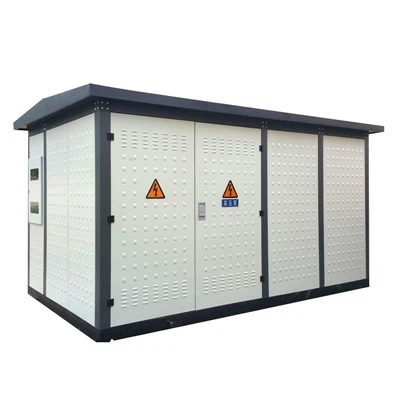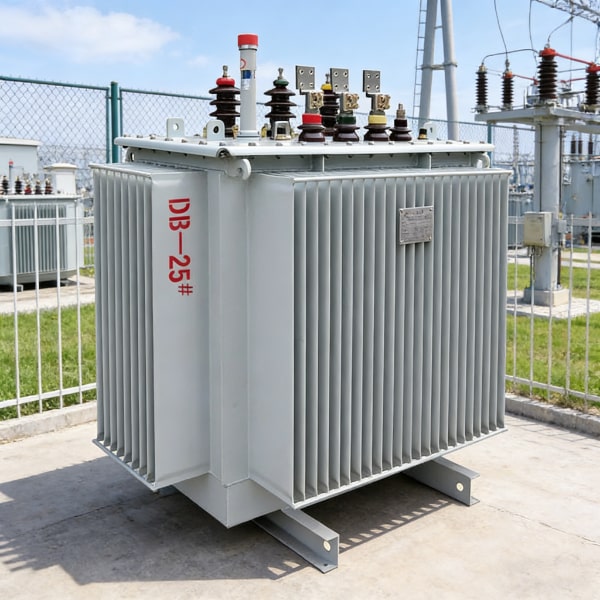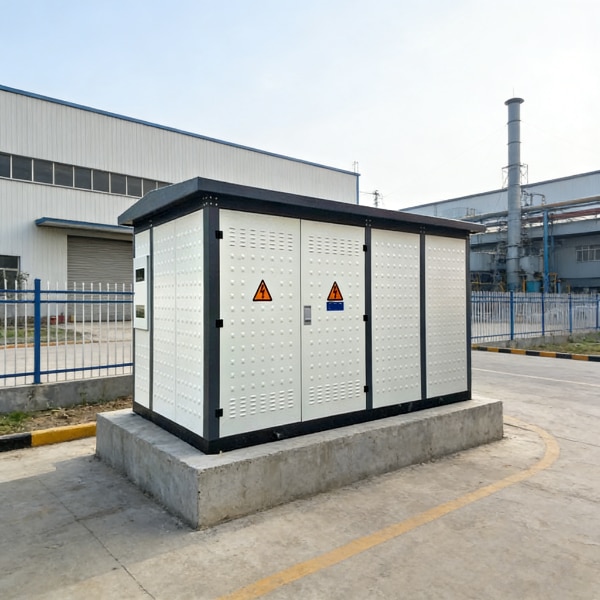
Belgium’s commitment to sustainable construction and fire safety regulations has driven significant demand for dry-type transformer solutions across the country’s commercial and industrial sectors. Building developers, facility managers, and industrial operators increasingly seek reliable electrical infrastructure that meets stringent European safety standards while delivering consistent performance in indoor environments. This comprehensive guide examines how Belgian businesses can establish strategic partnerships with qualified transformer manufacturers to meet their project requirements efficiently.
Understanding Your Requirements
Successful transformer procurement begins with a clear understanding of your specific application requirements. Dry-type transformers serve diverse functions across Belgian commercial and industrial facilities, and matching equipment specifications to operational needs ensures optimal performance and value.
Facility managers should evaluate several key parameters when defining their transformer requirements. Electrical load calculations determine the appropriate capacity rating, typically measured in kilovolt-amperes. Voltage compatibility with existing distribution systems ensures seamless integration. Physical dimensions must accommodate available installation spaces, particularly in retrofit projects where existing infrastructure constrains equipment selection.
Environmental conditions significantly influence transformer selection for Belgian applications. Indoor installations in climate-controlled environments offer ideal operating conditions, while facilities with temperature variations or high humidity require equipment with enhanced protection specifications. Understanding these environmental factors helps procurement teams specify appropriate transformer configurations from the outset.
Product Recommendation: Dry-type Transformer Solutions
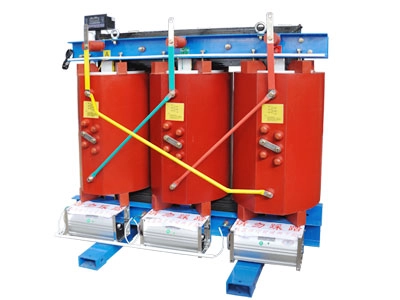
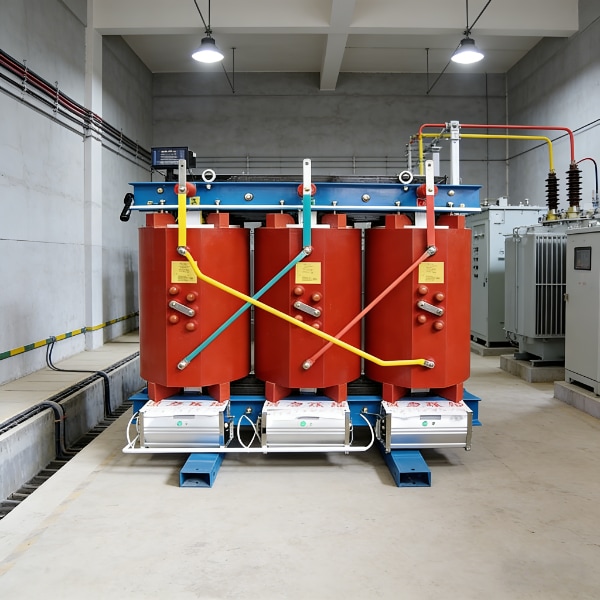
Modern dry-type transformers represent the optimal choice for Belgian indoor applications requiring fire safety compliance and reliable performance. These units utilize advanced insulation systems that eliminate fire risks associated with oil-filled alternatives, making them particularly suitable for installation in occupied buildings and sensitive environments.
| Parameter | Specification |
| Rated Capacity | 30kVA – 2500kVA |
| High-voltage Side | 6kV, 10kV |
| Low-voltage Side | 0.4kV |
| Connection Group | Yyn0, Dyn11 |
| Cooling Method | AN (Air Natural), AF (Air Forced) |
| Insulation Class | Class F |
| Short-circuit Impedance | 4% – 6% |
These technical specifications ensure compatibility with Belgian electrical distribution systems while meeting European Union safety standards. The Class F insulation system provides enhanced thermal performance and longevity compared to older designs, making these transformers suitable for demanding industrial applications.
Comparing Transformer Technologies
Understanding the differences between transformer technologies helps procurement professionals make informed decisions based on their specific application requirements. Each technology offers distinct advantages and limitations that influence suitability for different installations.
Dry-type Transformers offer significant advantages for indoor applications. The absence of flammable oil eliminates fire hazards and simplifies installation requirements. These units can be installed in occupied spaces without special containment measures, reducing construction costs and providing flexibility in building design. Environmental benefits include zero risk of oil leaks contaminating soil or groundwater, addressing sustainability concerns for environmentally conscious projects.
From a maintenance perspective, Dry-type Transformer solutions require minimal ongoing attention compared to oil-filled alternatives. Without oil testing, seal replacement, or leak monitoring requirements, these units offer simplified lifecycle maintenance that appeals to facility managers seeking to minimize operational complexity.
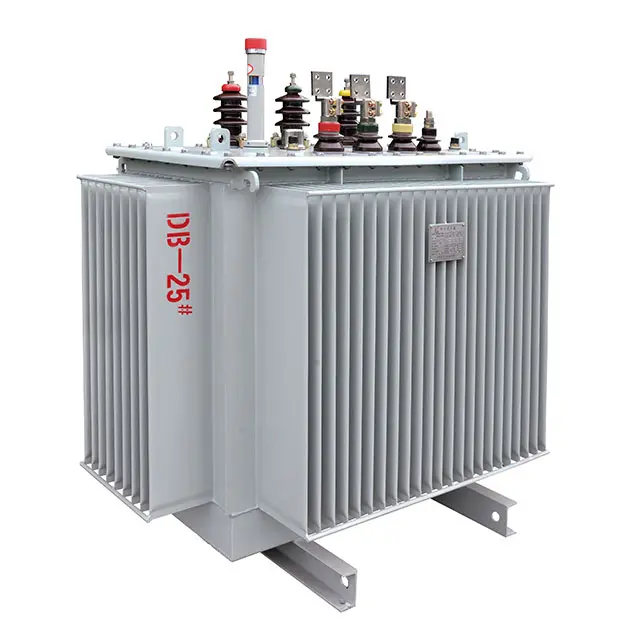
However, certain applications may benefit from Oil-immersed Transformer technology. High-capacity installations, outdoor applications, or facilities with extreme load profiles may find oil-filled units more cost-effective. Procurement teams should evaluate total cost of ownership, including installation, maintenance, and operational factors, when making technology selections.
Implementation Plan
Successful transformer procurement follows a structured implementation process that ensures project timelines are met while securing equipment that meets all technical and regulatory requirements. Belgian businesses benefit from understanding each phase of this process.
Phase 1: Requirements Definition
Begin by documenting your electrical requirements in detail. Work with qualified electrical engineers to calculate load specifications, determine voltage transformation needs, and assess installation constraints. This technical foundation informs subsequent supplier evaluations and ensures selected equipment meets operational requirements.
Phase 2: Supplier Evaluation
Evaluate potential Dry-type Transformer manufacturer partners based on multiple criteria. Quality certifications, including ISO 9001 and CE marking, demonstrate compliance with international standards. Manufacturing capacity ensures ability to meet your volume and timeline requirements. Technical support capabilities influence long-term partnership value beyond initial procurement.
Request detailed technical documentation, including test reports, certification certificates, and manufacturing quality records. Reputable manufacturers readily provide these documents, enabling thorough evaluation of product quality and consistency.
Phase 3: Order Processing and Production
Once you’ve selected a manufacturing partner, the order processing phase begins. Establish clear communication channels for technical clarifications, production updates, and logistics coordination. A Power Transformer supplier with established communication processes ensures smooth order execution and minimizes misunderstandings.
Production timelines vary based on equipment specifications and order volume. Standard configurations typically ship within established lead times, while custom specifications may require additional manufacturing duration. Plan procurement schedules accordingly to accommodate production and shipping times.
Phase 4: Shipping and Logistics
International shipping requires careful coordination to ensure equipment arrives safely and on schedule. Major Belgian ports including Antwerp, Bruges, and Zeebrugge provide entry points for equipment imported from Asian manufacturing facilities. Overland transport from European manufacturing locations offers alternative logistics options for time-sensitive deliveries.
Work with your supplier to coordinate shipping arrangements, ensuring proper packaging for transit protection and compliance with Belgian import documentation requirements. Clear logistics planning minimizes delays and ensures equipment arrives ready for installation.
Phase 5: Installation and Commissioning
Professional installation ensures optimal transformer performance and safety compliance. Engage qualified electrical contractors familiar with Belgian installation codes and standards. Installation should include proper grounding, ventilation clearance, and electrical connections in accordance with manufacturer specifications.
Commissioning activities verify proper operation before placing equipment in service. Electrical testing confirms correct voltage transformation, proper phase relationships, and appropriate protection coordination. Documentation of commissioning results provides valuable records for warranty support and future maintenance planning.
Evaluating Investment Returns
Transformer procurement represents a significant investment, and Belgian businesses should evaluate potential returns carefully. Several factors influence the economic value of transformer purchases beyond initial acquisition costs.
Energy efficiency directly impacts operational costs throughout the transformer lifecycle. Modern designs incorporate advanced core materials and manufacturing techniques that minimize energy losses, reducing ongoing electricity expenses. While high-efficiency units may carry premium pricing, the operational savings frequently justify increased initial investment.
Maintenance requirements influence total cost of ownership significantly. Dry-type Transformer solutions offer advantages through simplified maintenance protocols. Without oil testing, filter replacement, or leak repair requirements, these units typically incur lower maintenance costs compared to oil-filled alternatives.
Equipment longevity affects investment returns through extended service life. Quality transformers properly maintained can serve reliably for decades, spreading acquisition costs across extended operational periods. Manufacturer warranties provide initial protection, while equipment reliability ensures continued performance beyond warranty expiration.
Technical Support and Service
Comprehensive technical support enhances transformer investment value throughout the equipment lifecycle. Evaluate potential supplier support capabilities during the selection process to ensure adequate assistance is available when needed.
Installation support proves valuable during the critical commissioning phase. Manufacturer technical teams can provide guidance on proper installation practices, electrical connections, and initial operational parameters. This expertise helps ensure equipment performs optimally from startup.
Ongoing technical support assists with operational questions, troubleshooting guidance, and maintenance recommendations. A Power Transformer manufacturer with responsive support teams can address issues quickly, minimizing equipment downtime and operational disruptions.
Spare parts availability ensures prompt repairs when components require replacement. Original equipment manufacturer parts maintain compatibility and performance specifications. Establish parts procurement channels during initial procurement to ensure future maintenance access.
Establishing Strategic Partnerships
Long-term success in transformer procurement comes from developing strategic supplier relationships that deliver ongoing value. Rather than treating each purchase as a transactional event, Belgian businesses benefit from establishing partnerships that provide consistent support and mutual growth opportunities.
Direct relationships with Transformer factory facilities offer advantages in communication, customization, and pricing. Eliminating intermediary layers reduces costs and ensures direct access to manufacturing expertise. These relationships prove particularly valuable for organizations with ongoing transformer requirements or custom specification needs.
Volume commitments can secure preferential pricing and priority service allocation. Organizations with predictable transformer requirements should explore partnership arrangements that provide economic benefits while ensuring reliable supply for their operational needs.
Collaborative problem-solving strengthens partnerships over time. When issues arise, working constructively with suppliers to resolve challenges builds trust and demonstrates commitment to mutual success. These collaborative approaches typically yield better outcomes than adversarial relationships.
Conclusion
Belgium’s construction and industrial sectors offer substantial opportunities for dry-type transformer applications. Fire safety regulations, sustainability requirements, and indoor installation needs create consistent demand for reliable transformer solutions across commercial and industrial facilities.
Successful procurement requires clear understanding of application requirements, careful supplier evaluation, and structured implementation processes. Belgian businesses that develop comprehensive procurement strategies position themselves for successful project outcomes and long-term operational reliability.
The advantages of dry-type transformers, including fire safety, environmental benefits, and simplified maintenance, make these units particularly suitable for Belgian applications. Partnering with qualified manufacturers ensures access to equipment meeting European standards while providing ongoing support throughout the equipment lifecycle.
As Belgium continues emphasizing sustainable construction and fire safety in building regulations, demand for quality dry-type transformer solutions will grow. Organizations that establish strategic supplier relationships now will benefit from reliable equipment supply and technical support as market opportunities expand.