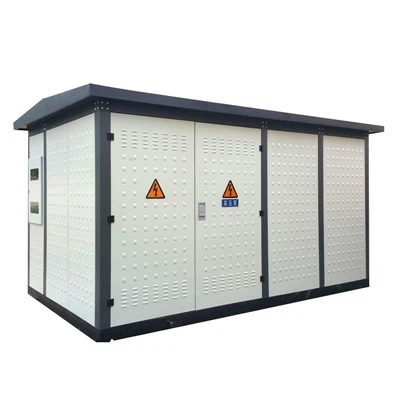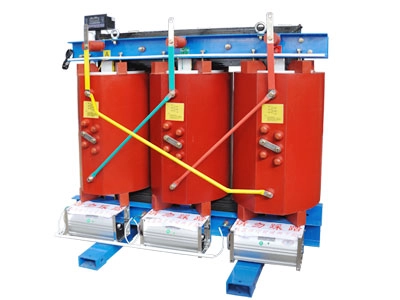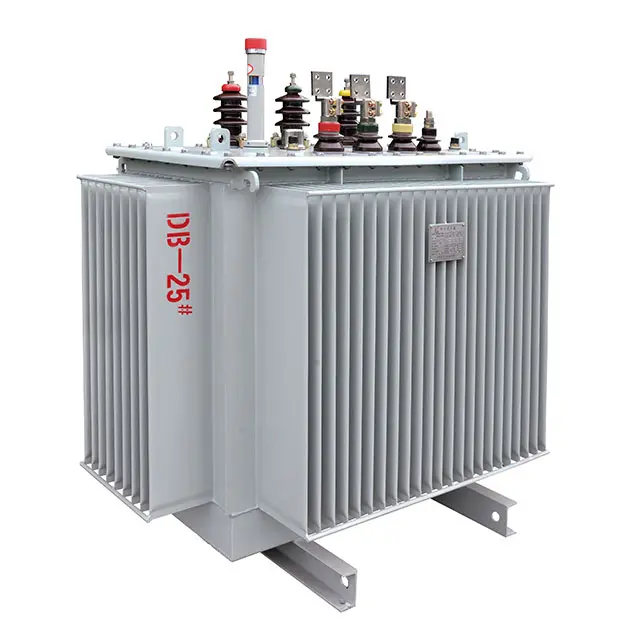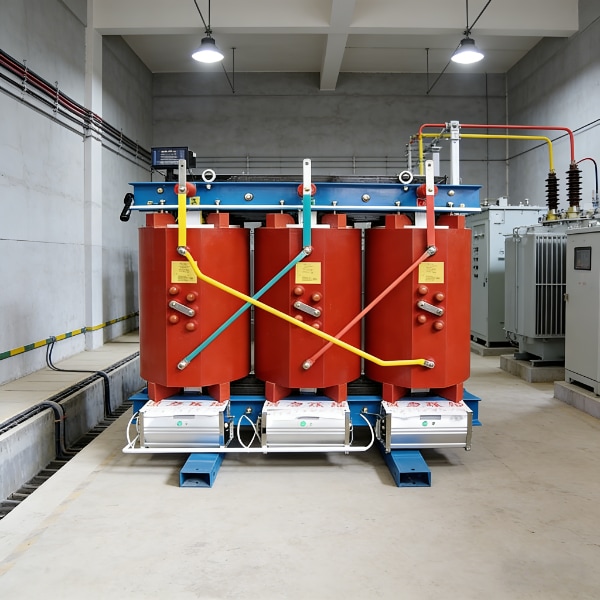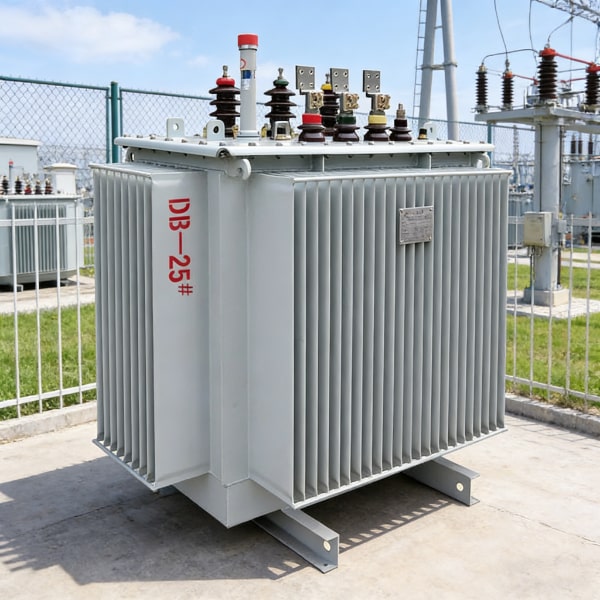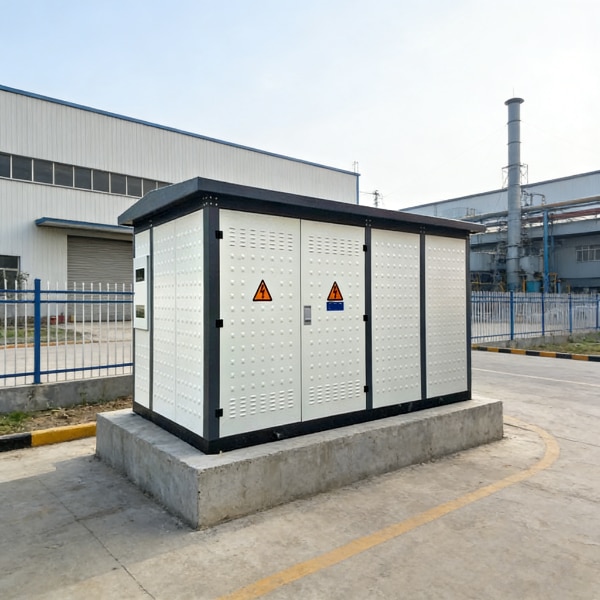
Norway’s industrial landscape has undergone significant transformation in recent years, with power infrastructure playing a crucial role in supporting the nation’s economic development. The demand for reliable Power Transformer solutions in Norway continues to grow across multiple sectors, particularly in mining, manufacturing, and renewable energy applications. This comprehensive market analysis provides B2B buyers, distributors, and industrial operators with essential insights into the Norwegian power transformer market, including technical requirements, certification standards, and procurement strategies for successful project implementation.
Market Size and Trends in Norway
The Norwegian power distribution market represents one of the most sophisticated and regulated markets in Northern Europe. With a population of approximately 5.4 million people and a GDP focused heavily on petroleum, maritime industries, and hydroelectric power, Norway maintains robust demand for electrical infrastructure components. The country’s commitment to renewable energy, particularly hydroelectric power generation, creates ongoing opportunities for power transformer deployment across the national grid.
Norway’s electricity consumption averages around 140 TWh annually, with significant industrial demand coming from the metallurgy, mining, and manufacturing sectors. The country’s extensive hydroelectric resource base, which accounts for over 95% of electricity production, requires sophisticated transformer networks to manage power distribution from remote generating facilities to population centers. This infrastructure requirement drives consistent demand for Power Transformer supplier partnerships and wholesale procurement arrangements.
Market analysts project steady growth in Norway’s power transformer sector, fueled by grid modernization initiatives, renewable energy integration projects, and industrial expansion. The Norwegian Water Resources and Energy Directorate (NVE) has implemented policies encouraging energy efficiency improvements across industrial facilities, creating opportunities for operators to upgrade their electrical infrastructure with modern, efficient transformer solutions. This regulatory environment makes Norway an attractive market for international Power Transformer manufacturer partnerships.
Main Application Areas
Power transformer applications in Norway span diverse industrial and commercial sectors, each with specific technical requirements and operational parameters. Understanding these application areas is essential for B2B buyers seeking to procure appropriate equipment for their projects.
Industrial Manufacturing Facilities
Norway’s manufacturing sector, particularly in the aluminum and fertilizer industries, represents a significant market for high-capacity power transformers. These industrial operations require transformers capable of handling substantial electrical loads with consistent reliability. The typical capacity requirements for Norwegian industrial facilities range from 1000kVA to 5000kVA, with voltage configurations matching the national grid standards of 6kV, 10kV, and 35kV for high-voltage distribution.
Mining Operations
Norway’s mining industry, including iron ore, copper, and titanium production, demands robust electrical infrastructure capable of supporting heavy machinery and processing equipment. Mining operations in northern Norway face unique challenges including extreme weather conditions and remote locations requiring self-contained power distribution solutions. Oil-immersed Transformer solutions prove particularly suitable for these applications due to their reliability in challenging environments and proven performance in industrial settings.
Renewable Energy Integration
Norway’s leadership in hydroelectric power generation creates opportunities for transformer applications in power station supporting infrastructure. Wind power installations, particularly in coastal regions, also require transformer solutions for grid integration. These renewable energy applications typically require transformers with specific voltage transformation capabilities to match the variable output characteristics of renewable generation sources.
Commercial and Residential Distribution
The commercial building sector in Norwegian cities, including Oslo, Bergen, and Trondheim, requires reliable distribution transformers for commercial complexes, office buildings, and residential developments. Urban distribution networks utilize medium-capacity transformers typically ranging from 100kVA to 2500kVA to ensure stable power supply to end users.
Technical Specifications for the Norwegian Market
Norwegian technical standards align closely with European Union regulations, requiring transformers to meet specific performance and safety criteria. Understanding these specifications is essential for successful procurement and compliance.
| Parameter | Specification |
| Rated Capacity | 50kVA – 5000kVA |
| High-voltage Side | 6kV, 10kV, 35kV |
| Low-voltage Side | 0.4kV, 10kV |
| Connection Group | Yyn0, Dyn11, Yd11 |
| Cooling Method | ONAN (Natural), ONAF (Forced Air) |
| Insulation Class | Class A |
| Short-circuit Impedance | 4% – 6% |
These specifications ensure compatibility with Norwegian grid infrastructure and compliance with European electrical safety standards. B2B buyers should verify that their selected Power Transformer wholesale providers can supply equipment meeting these exact requirements.
Competitive Landscape
The Norwegian power transformer market features a mix of international manufacturers and regional distributors, creating a competitive environment that offers B2B buyers various procurement options. European manufacturers dominate the premium segment, while Asian suppliers compete in the cost-sensitive market segment.
International Power Transformer factory partnerships offer several advantages for Norwegian buyers, including access to advanced manufacturing technologies, comprehensive quality certification, and established service networks. European manufacturers typically provide shorter delivery times for standard configurations, while Asian suppliers may offer advantages for custom specifications and large-volume orders.
The competitive landscape also includes specialized distributors focusing on specific market segments, such as industrial applications or renewable energy projects. These specialized providers often offer additional value-added services including technical consultation, installation support, and after-sales service, making them attractive partners for B2B buyers seeking comprehensive solutions rather than simple equipment procurement.
Entry Requirements and Certification
Importing power transformers into Norway requires compliance with specific certification and regulatory requirements. Understanding these entry requirements is essential for B2B buyers and distributors planning market entry or procurement activities.
CE Marking and European Compliance
Power transformers sold in Norway must carry CE marking, indicating compliance with applicable European Union directives. The Low Voltage Directive (2014/35/EU) and Electromagnetic Compatibility Directive (2014/30/EU) are particularly relevant for transformer products. Manufacturers must provide Declaration of Conformity documentation and maintain technical files demonstrating compliance with applicable standards.
IEC Standards Compliance
International Electrotechnical Commission (IEC) standards form the technical foundation for Norwegian transformer requirements. Key standards include IEC 60076 for power transformers, which specifies testing methods, performance requirements, and design criteria. Norwegian importers should verify that their Transformer supplier provides equipment certified to meet these international standards.
ISO Certification
Quality management system certification, particularly ISO 9001, demonstrates manufacturer commitment to consistent quality and process improvement. Norwegian buyers increasingly require ISO certification as a minimum qualification for supplier evaluation, making this certification essential for manufacturers seeking to compete in the Norwegian market.
Sales Channels and Procurement Strategies
B2B buyers in Norway can access power transformers through multiple sales channels, each offering distinct advantages in terms of pricing, service, and logistics. Selecting the appropriate procurement channel depends on project requirements, volume needs, and technical support requirements.
Direct Factory Procurement
Direct procurement from manufacturing facilities offers advantages in pricing and customization options. B2B buyers working directly with Power Transformer manufacturer facilities can negotiate favorable terms for bulk orders, request custom configurations, and establish long-term partnership arrangements. This approach is particularly suitable for large-scale projects requiring multiple units or custom specifications.
Authorized Distributor Networks
Authorized distributor networks provide local support, inventory access, and after-sales service that direct procurement may not offer. Norwegian distributors typically maintain stock of standard configurations, enabling faster delivery for time-sensitive projects. These distributors also provide technical consultation, installation guidance, and warranty support, adding value beyond simple product supply.
Industrial Procurement Platforms
Digital procurement platforms increasingly serve Norwegian B2B buyers, offering convenient access to multiple suppliers and streamlined ordering processes. These platforms aggregate offerings from various manufacturers and distributors, enabling price comparison and efficient procurement. However, technical consultation and custom solution development typically require additional engagement with suppliers directly.
Investment Considerations
Strategic investment in power transformer infrastructure requires careful consideration of total cost of ownership, including initial procurement, installation, operation, and maintenance expenses. Norwegian B2B buyers should evaluate several factors when making procurement decisions.
Energy Efficiency Returns
Modern transformer designs offer significant efficiency improvements compared to older equipment. While initial procurement costs may be higher for advanced designs, the operational savings from reduced energy losses can provide attractive return on investment over the equipment lifecycle. Norwegian energy costs, among the highest in Europe, make efficiency a particularly important consideration for procurement decisions.
Maintenance and Lifecycle Costs
Transformer maintenance requirements vary based on design, application, and operating conditions. Oil-immersed Transformer solutions require regular maintenance including oil testing, seal inspection, and cooling system servicing. Buyers should factor these ongoing maintenance requirements into their total cost calculations when evaluating different transformer technologies and configurations.
Service Network Availability
The availability of service support significantly impacts transformer investment decisions. B2B buyers should evaluate whether their selected Power Transformer supplier can provide adequate technical support, spare parts availability, and emergency service response in Norway. Strong service support reduces operational risk and ensures rapid issue resolution when problems occur.
Supplier Selection Recommendations
Selecting the appropriate power transformer supplier requires comprehensive evaluation of multiple factors beyond initial pricing. Norwegian B2B buyers should consider the following criteria when evaluating potential partners.
Technical Capability: Verify that suppliers can provide equipment meeting Norwegian technical requirements, including capacity, voltage specifications, and certification standards. Request detailed technical documentation and confirm compatibility with your specific application requirements.
Quality Certification: Confirm that suppliers hold relevant quality certifications, including ISO 9001 and CE marking. Request quality documentation and references from similar projects to assess manufacturing quality and consistency.
Production Capacity: Evaluate supplier manufacturing capacity to ensure ability to meet your project timeline and volume requirements. This is particularly important for large projects or time-sensitive deployments.
Service Support: Assess the supplier’s ability to provide technical support, installation guidance, and after-sales service. Strong service support reduces project risk and ensures long-term operational reliability.
Financial Stability: Evaluate supplier financial health to ensure long-term partnership viability. Stable suppliers can provide ongoing support and spare parts availability throughout the equipment lifecycle.
Conclusion
The Norwegian power transformer market presents substantial opportunities for B2B buyers seeking reliable electrical infrastructure solutions. With strong demand across industrial, commercial, and renewable energy sectors, Norway offers a stable market environment supported by clear regulatory requirements and sophisticated buyers.
Successful market participation requires understanding local technical requirements, certification standards, and procurement practices. B2B buyers who develop comprehensive supplier relationships, ensure certification compliance, and evaluate total cost of ownership will position themselves for successful project outcomes and long-term operational reliability.
For B2B buyers seeking to establish supplier partnerships, the key lies in identifying partners capable of meeting Norwegian technical standards while providing competitive pricing and reliable service support. Dry-type Transformer solutions offer specific advantages for certain applications, while traditional oil-immersed options continue to serve industrial and utility applications effectively.
As Norway continues investing in grid modernization and renewable energy integration, demand for quality power transformer solutions will remain strong. B2B buyers who establish strategic supplier relationships now will be well-positioned to capture future opportunities in this growing market.