Understanding Dry-type Transformer Technology for Romania’s Growing Infrastructure
Romania’s infrastructure development continues to accelerate, creating significant demand for reliable electrical distribution equipment. Among the most critical solutions for modern applications are Power Transformer units designed for dry-type applications, which offer distinct advantages for installations where safety, environmental concerns, and maintenance simplicity are paramount. This comprehensive guide explores how Romanian businesses can benefit from partnering with experienced Dry-type Transformer suppliers who understand local market requirements and international quality standards.
The Romanian electrical equipment market has evolved substantially in recent years, driven by industrial expansion, commercial construction growth, and infrastructure modernization projects. Facilities managers and procurement professionals increasingly specify dry-type transformer solutions for applications ranging from commercial buildings to healthcare institutions and data centers. Understanding the technical advantages and application considerations helps decision-makers select appropriate equipment for their specific requirements.
Working with established dry-type transformer suppliers provides access to equipment that meets European Union safety standards while offering the operational benefits that modern facilities require. Romanian importers benefit from suppliers who understand local grid specifications, regulatory requirements, and logistical considerations for efficient equipment delivery.
Technical Advantages of Dry-type Transformer Solutions
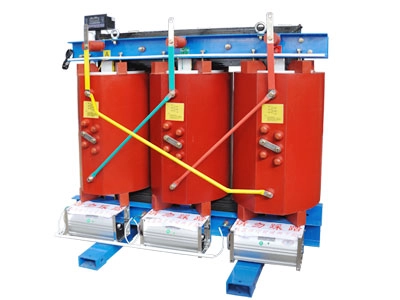
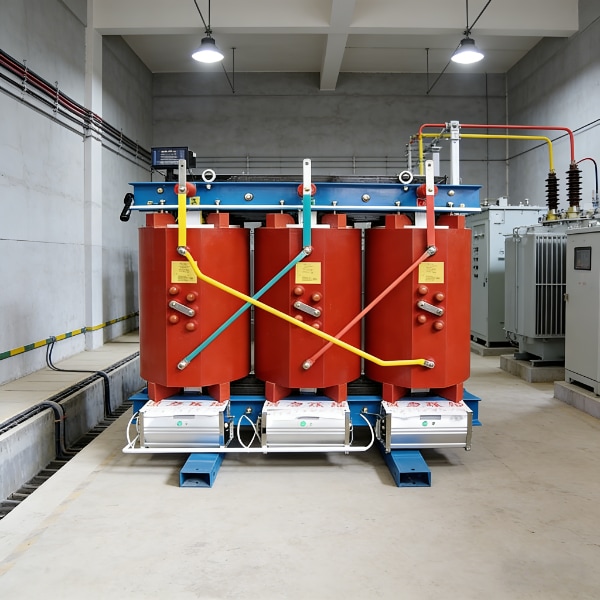
Dry-type transformers represent a significant advancement in electrical distribution technology, offering numerous advantages over traditional cooling designs. The fundamental difference lies in the cooling and insulation methodology, which eliminates the need for cooling liquids while maintaining excellent thermal performance.
These units employ advanced Class F insulation systems that provide superior thermal endurance while maintaining safe operating temperatures. The typical capacity range of 30kVA to 2500kVA addresses the majority of commercial and industrial applications in Romania, from small office buildings to large manufacturing facilities. High-voltage specifications of 6kV and 10kV accommodate the standard distribution voltages found throughout the Romanian grid network.
Cooling methods include both AN (Air Natural) and AF (Air Forced) configurations, allowing selection of the appropriate thermal management approach based on installation conditions and load requirements. The AN cooling method utilizes natural air circulation, making it suitable for well-ventilated installations, while AF systems employ fans to enhance cooling performance for higher-load applications.
The absence of cooling liquids eliminates several operational concerns that affect traditional transformer designs. Facilities managers appreciate the reduced fire risk, as dry-type units do not pose the same flammability concerns as other transformer technologies. This characteristic proves particularly valuable in applications where fire safety is a primary concern, including hospitals, data centers, and high-rise buildings.
Application Scenarios Ideal for Dry-type Transformers in Romania
Several application categories benefit particularly from dry-type transformer technology in the Romanian market. Understanding these use cases helps procurement professionals identify opportunities where these units provide optimal solutions.
High-rise buildings represent one of the most important applications for dry-type transformers in Romania. Urban development in Bucharest, Cluj-Napoca, Timisoara, and other major cities continues to include increasingly tall commercial and residential structures. These buildings require electrical distribution equipment that minimizes fire risk and does not pose environmental hazards. The pollution-free operation of dry-type units makes them ideal for these vertical urban environments.
Healthcare facilities throughout Romania increasingly specify dry-type transformers for their electrical distribution needs. Hospitals and medical centers require continuous, reliable power supply for critical care equipment, surgical suites, and life support systems. The fire-resistant characteristics of dry-type technology provide essential safety margins that healthcare administrators require.
Data center development has accelerated dramatically across Romania, attracted by the country’s favorable climate, available land, and strategic European location. These facilities demand extremely reliable power distribution equipment capable of supporting sensitive computing infrastructure. Dry-type transformers provide the robust, maintenance-free operation that data center operators require while minimizing fire risks in facilities housing valuable equipment and data.
Educational institutions including universities, technical schools, and research facilities benefit from dry-type transformer installations. These facilities often house sensitive laboratory equipment and computing infrastructure that requires stable, clean power supply. The low noise operation of dry-type units also proves advantageous in academic environments where excessive electrical equipment noise could disrupt learning activities.
Industrial applications in Romania’s manufacturing sector also present opportunities for dry-type transformer deployment. Certain manufacturing environments benefit from the cleaner operation and reduced maintenance requirements of dry-type technology. Food processing facilities, pharmaceutical manufacturers, and electronics production plants often specify dry-type transformers to maintain clean production environments.
Selecting Qualified Dry-type Transformer Suppliers for the Romanian Market
Choosing appropriate suppliers requires careful evaluation of multiple factors beyond simply comparing initial purchase prices. The total cost of ownership, including installation, maintenance, and operational expenses over the equipment lifecycle, provides a more accurate basis for supplier comparison.
Quality certifications represent a critical evaluation criterion. Reputable suppliers offer equipment certified to relevant international standards, including IEC 60076 for transformer performance and IEC 60726 for dry-type transformers specifically. European CE marking indicates compliance with EU safety, health, and environmental protection requirements, which is essential for legal market access in Romania.
Manufacturing capabilities indicate a supplier’s ability to meet specific project requirements. Established factories possess the technical knowledge to customize equipment specifications based on application needs. They can advise on optimal capacity selection, voltage configurations, and cooling methods appropriate for specific installations in the Romanian climate.
Technical support capabilities prove essential throughout the equipment lifecycle. Romanian facilities benefit from suppliers who provide comprehensive pre-sales consultation, helping customers select appropriate equipment configurations. Post-sales support including installation guidance, maintenance recommendations, and troubleshooting assistance ensures optimal transformer performance throughout the equipment’s service life. Working with an experienced Power Transformer supplier ensures access to comprehensive support services.
Logistics and delivery capabilities significantly impact project success. Suppliers with efficient shipping arrangements can deliver equipment to Romanian customers within reasonable timeframes. Understanding lead times helps project managers plan installation schedules accurately and avoid costly delays.
Understanding Technical Specifications for Informed Procurement
Dry-type transformer technical specifications directly impact performance, reliability, and compatibility with existing electrical infrastructure. Procurement professionals benefit from understanding key parameters to ensure proper equipment selection.
Capacity requirements must match actual load demands while allowing for future growth. The typical range of 30kVA to 2500kVA accommodates most commercial and light industrial applications. Undersizing leads to overload conditions and reduced transformer lifespan, while substantial oversizing increases unnecessary capital expenditure and operating costs.
Voltage specifications must align with the Romanian distribution grid. Standard configurations include 6kV or 10kV on the high-voltage side, with 0.4kV on the low-voltage side for direct connection to building electrical systems. Proper voltage matching ensures safe, efficient operation and compatibility with downstream distribution equipment.
Connection group designations determine how transformer windings are configured, affecting voltage regulation and load distribution characteristics. Common configurations include Yyn0 and Dyn11, with selection depending on specific application requirements and existing system configurations.
Impedance ratings affect both voltage regulation and short-circuit characteristics. Standard impedance ranges of 4% to 6% provide balanced performance for typical distribution applications. Specific installations may require custom impedance values to optimize system coordination and protection settings.
Quality Assurance and Certification Standards
Reputable dry-type transformer manufacturers implement comprehensive quality assurance programs covering every production stage. These programs ensure consistent product quality and compliance with applicable standards throughout the manufacturing process.
Testing procedures validate transformer performance and safety. Routine tests include resistance measurements, voltage ratio verification, insulation resistance testing, and induced voltage testing. Type tests validate performance under extreme conditions, including temperature rise testing and dielectric testing. Comprehensive testing documentation provides buyers with confidence in equipment performance.
Quality assurance periods typically cover twelve months from installation or shipment, depending on supplier terms. During this period, manufacturers address defects arising from materials or workmanship, providing replacement parts or repair services as needed. Understanding warranty terms helps buyers plan for potential issues and establish appropriate maintenance schedules.
International certifications validate manufacturer quality systems and product compliance. ISO 9001 certification demonstrates implementation of quality management best practices. IEC 60076 and IEC 60726 standards specify performance requirements for power transformers and dry-type transformers respectively. These certifications are essential for legal market access within the European Union.
Installation and Maintenance Considerations
Proper installation significantly impacts dry-type transformer performance and longevity. Several factors require attention during the installation process to ensure optimal operation in Romanian facilities.
Ventilation requirements differ from traditional transformer technologies. Dry-type units require adequate air circulation to dissipate heat generated during operation. Installation locations must provide sufficient clearance around the unit to allow proper air flow. Indoor installations should consider ambient temperature and humidity levels that might affect cooling performance.
Load management practices help maximize transformer lifespan. Avoiding continuous operation at full load capacity extends equipment life and maintains optimal performance. Understanding the relationship between load factor, ambient temperature, and insulation lifespan helps facilities managers develop appropriate operating procedures.
Regular maintenance, while less demanding than traditional transformer care, remains important for optimal performance. Dust accumulation on cooling surfaces can reduce thermal efficiency and should be addressed through periodic cleaning. Visual inspections for signs of damage or deterioration help identify potential issues before they cause equipment failures.
Environmental conditions specific to Romania, including seasonal temperature variations and humidity levels, should inform maintenance scheduling and frequency. Winter months may require attention to heating requirements for facilities with minimal climate control, while summer heat demands attention to cooling system performance.
Strategic Sourcing Benefits for Romanian Buyers
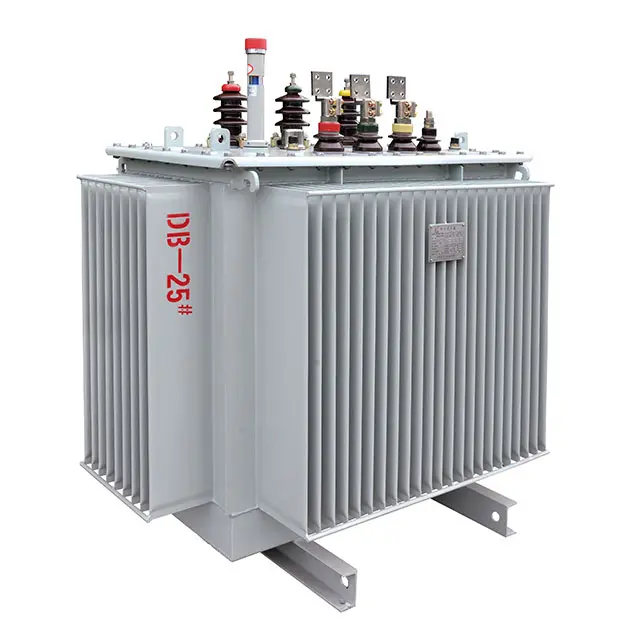
Developing strategic relationships with qualified dry-type transformer suppliers provides ongoing advantages beyond initial equipment procurement. These partnerships create value through volume commitments, priority service, and collaborative problem-solving. While dry-type transformers offer specific advantages, certain high-capacity applications may benefit from alternative solutions including Oil-immersed Transformer technology for specific requirements.
Direct manufacturer relationships offer advantages in pricing, customization flexibility, and supply chain transparency. Eliminating intermediary costs and ensuring direct communication regarding technical requirements and delivery schedules improves overall procurement efficiency. These relationships often result in better pricing and more responsive service for qualified buyers. Partnering with a reliable Power Transformer manufacturer ensures access to competitive pricing and consistent supply.
Authorized dealer networks provide localized support and faster response times for Romanian customers. Dealers maintain local inventory, provide installation services, and offer after-sales support in the Romanian language. The presence of established dealer networks in major Romanian cities ensures timely support regardless of installation location.
Evaluating multiple suppliers helps identify the best fit for specific project requirements. Requesting detailed proposals, comparing technical specifications, and verifying certifications enables informed decision-making. When comparing options, consider not only the initial purchase price but also total cost of ownership including maintenance, support, and expected equipment lifespan.
Comparative Analysis with Alternative Technologies
Understanding the differences between dry-type transformers and alternative technologies helps procurement professionals make informed decisions for specific applications.
Fire safety represents one of the primary advantages of dry-type technology. Unlike units that utilize cooling liquids, dry-type transformers do not pose fire risks associated with flammable liquids. This characteristic makes them particularly suitable for indoor installations, high-rise buildings, and facilities where fire safety is paramount.
Environmental benefits include the absence of potential soil or water contamination from cooling liquid leaks. Facilities in environmentally sensitive locations or those with strict environmental compliance requirements often favor dry-type solutions.
Maintenance requirements generally favor dry-type technology. Without cooling liquids to monitor, test, or replace, maintenance procedures are simplified and costs are reduced. This advantage proves particularly valuable for facilities located in remote areas or those with limited maintenance capabilities.
However, procurement professionals should consider that certain high-capacity applications may be better served by alternative technologies. Very large industrial facilities with substantial power demands might find alternative solutions more cost-effective for their specific requirements.
Future Trends in Dry-type Transformer Technology
Continuing advancements in materials and manufacturing processes promise further improvements in dry-type transformer performance and efficiency.
Insulation material developments continue to enhance thermal performance and extend equipment lifespan. New Class F and Class H insulation systems provide improved thermal endurance while maintaining the safety advantages that make dry-type technology attractive.
Manufacturing efficiencies driven by automation and process improvements gradually reduce production costs, potentially making dry-type solutions more competitive across a broader range of applications.
Energy efficiency requirements continue to influence transformer design, with manufacturers developing products that minimize losses throughout the equipment lifecycle. These improvements align with broader sustainability objectives that increasingly drive procurement decisions.
Conclusion
Romania’s infrastructure development creates substantial opportunities for dry-type transformer applications across multiple sectors. From high-rise commercial buildings to healthcare facilities and data centers, the unique advantages of dry-type technology address critical requirements for safety, reliability, and environmental responsibility.
Selecting appropriate dry-type transformer suppliers requires careful evaluation of quality certifications, manufacturing capabilities, technical support, and logistical capabilities. Partnering with experienced suppliers ensures access to equipment that meets international standards while providing the ongoing support that Romanian facilities require. When comparing options, consider not only the initial investment but also the Power Transformer price over the equipment lifecycle including maintenance and support.
The technical advantages of dry-type transformers, including fire-resistant characteristics, pollution-free operation, and reduced maintenance requirements, make them increasingly popular for modern applications. As Romanian infrastructure continues to develop, partnerships with qualified transformer suppliers become increasingly valuable for organizational success.
By working with certified Power Transformer wholesale suppliers, organizations gain access to high-quality equipment that meets international standards, comprehensive technical support, and competitive procurement options. These partnerships contribute to reliable electrical infrastructure that supports Romania’s economic development across all sectors.