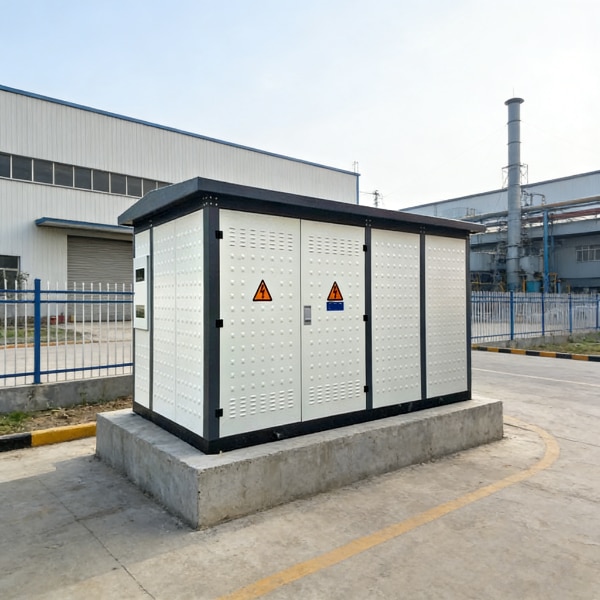
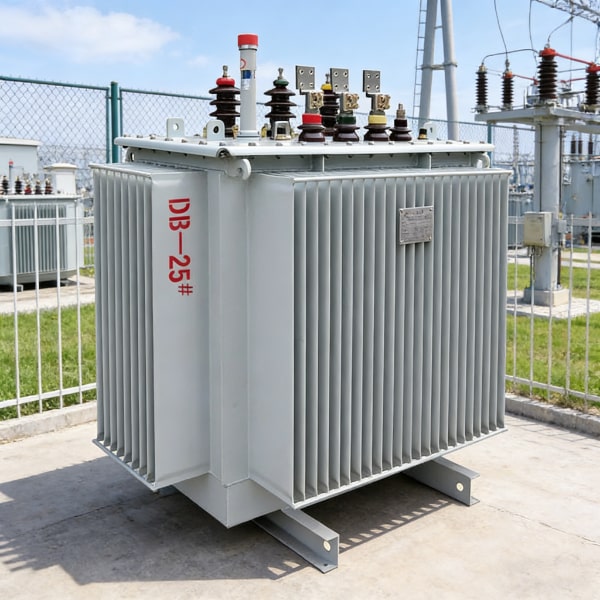
Introduction to Transformers
Transformers are fundamental electrical devices that are widely used in various applications, primarily for voltage transformation. They function based on the principle of electromagnetic induction, allowing electricity to be transferred between two or more circuits through inductively coupled conductors. Transformers can increase (step-up) or decrease (step-down) voltage levels, which is crucial for efficient power distribution across different regions and loads.
The construction of a transformer typically involves a core made of ferromagnetic material, around which coils of wire are wound. The primary coil receives the input voltage, while the secondary coil delivers the transformed output voltage. The ratio of the number of turns in the primary and secondary coils determines the transformation ratio, enabling precise control over voltage levels. This characteristic makes transformers a vital component in electrical systems, ensuring compatibility and safety in power distribution networks.
Moreover, the significance of transformers extends beyond mere voltage regulation. They play a critical role in electrical engineering, facilitating the transfer of electrical energy while maintaining the required performance levels. Transformers are integral to various applications, including power generation, transmission, and distribution. They also appear in circuits as isolation devices, speakers, and signal processing components.
Understanding the operational principles of transformers is essential for engineers and technicians involved in designing and maintaining electrical systems. This knowledge allows professionals to choose the right transformer types for their specific application scenarios, optimizing performance and ensuring reliable electricity supply. In summary, transformers are indispensable in modern electrical infrastructure, and their proper selection and application can lead to significant improvements in efficiency and safety.
Types of Transformers
Transformers play a crucial role in electrical systems by facilitating the transfer of electrical energy through electromagnetic induction, with various types designed for specific applications. Understanding the distinct types of transformers is essential for selecting the appropriate model for particular scenarios.
One common type is the step-up transformer, which is designed to increase voltage while decreasing current. This transformer is essential in power generation and transmission since high voltages are required to minimize energy losses over long distances. By raising the voltage, it allows for efficient long-range transmission of electricity, often used in substations and power stations.
Conversely, a step-down transformer serves the opposite function: it reduces voltage and increases current. This type is typically utilized in residential and commercial applications where standard voltages are necessary for appliances and lighting. Step-down transformers ensure that safe operating levels are achieved for everyday electrical devices.
Another significant type is the isolation transformer, which is employed to transfer electrical energy between two circuits while isolating them. This transformer helps in protecting sensitive equipment by eliminating noise and providing galvanic isolation. Isolation transformers are commonly utilized in audio processing, medical devices, and laboratory settings where equipment safety and signal integrity are paramount.
Lastly, autotransformers are noted for their efficiency in applications where voltage adjustment is needed. Unlike traditional transformers that have separate primary and secondary windings, autotransformers use a single winding that acts as both, making them physically smaller and more cost-effective. They are widely used in applications such as voltage regulation and as starters for electric motors.
When selecting a transformer for a specific application, several critical factors must be considered to ensure optimal performance and efficiency. These factors include power rating, voltage ratings, efficiency, phase requirements, and environmental considerations. Each of these elements plays a significant role in determining the suitability and reliability of a transformer within a given scenario.
Power Rating
The power rating of a transformer, usually expressed in kilovolt-amperes (kVA), indicates its maximum load capacity. This rating is crucial; choosing a transformer with insufficient power capacity can lead to overheating and eventual failure. Conversely, an oversized transformer may incur higher initial costs and operational inefficiencies. Therefore, accurately assessing the load requirements of the application is essential for selecting a transformer that meets the necessary power rating.
Voltage Ratings
Voltage ratings dictate the acceptable input and output voltages for a transformer. It is imperative to match these voltage specifications with the requirements of the electrical system to avoid risks such as equipment damage or operational failure. For example, a step-down transformer that reduces high voltage from the grid to a lower voltage for residential use must be selected carefully to meet the specific voltage requirements of the equipment it will serve.
Efficiency
Efficiency is another critical factor; it refers to the ratio of output power to input power. Highly efficient transformers minimize energy loss during operation, resulting in lower operational costs and enhanced performance. Therefore, considering transformers with higher efficiency ratings can lead to long-term savings and a reduced environmental impact due to lower energy consumption.
Phase Requirements
Transformers can be single-phase or three-phase, depending on the application. Determining the appropriate phase configuration is essential for compatibility with the electrical grid and machinery. For instance, industrial applications often require three-phase transformers for their higher power demands, whereas residential applications may only need single-phase transformers.
Environmental Considerations
Lastly, it is crucial to consider the environmental conditions in which the transformer will operate. Factors such as temperature, humidity, and potential exposure to hazardous substances can affect transformer longevity and performance. Selecting transformers designed for specific environmental conditions ensures durability and reliability in real-world applications.
Application Scenarios for Different Transformer Types
Transformers are essential components in various electrical systems, serving to modify voltage levels for efficient power distribution and application. The choice of transformer type significantly impacts performance, safety, and efficacy in different scenarios. Understanding these application scenarios can guide stakeholders in selecting the most suitable transformers for their specific needs.
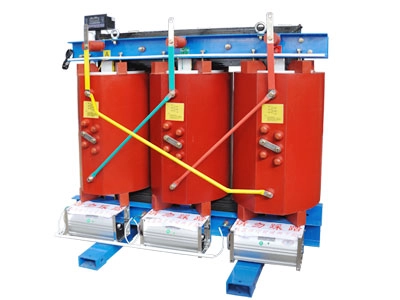
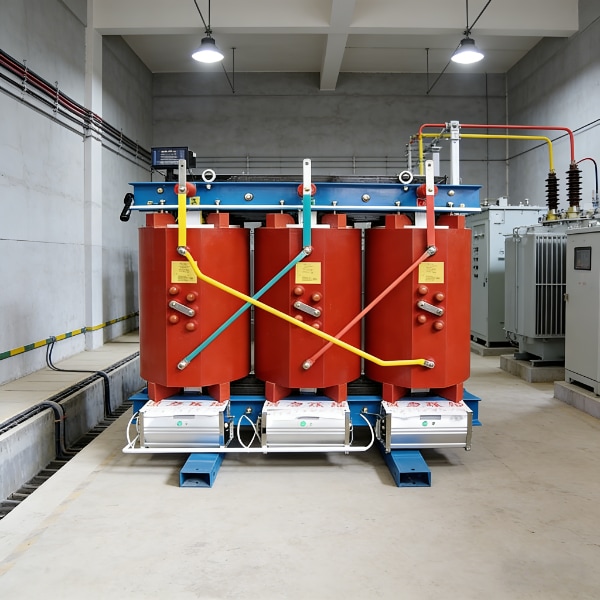
In industrial applications, for example, step-down transformers play a critical role in converting high-voltage electricity to safer, usable levels for machinery and equipment. Such transformers must handle substantial loads, providing consistent voltage regulation to ensure operational efficiency. Furthermore, they are often designed with robust insulation and cooling systems to manage heat produced during operation.
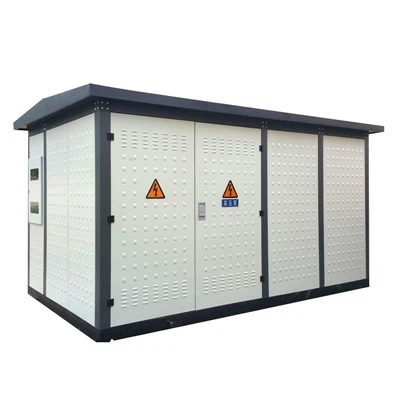
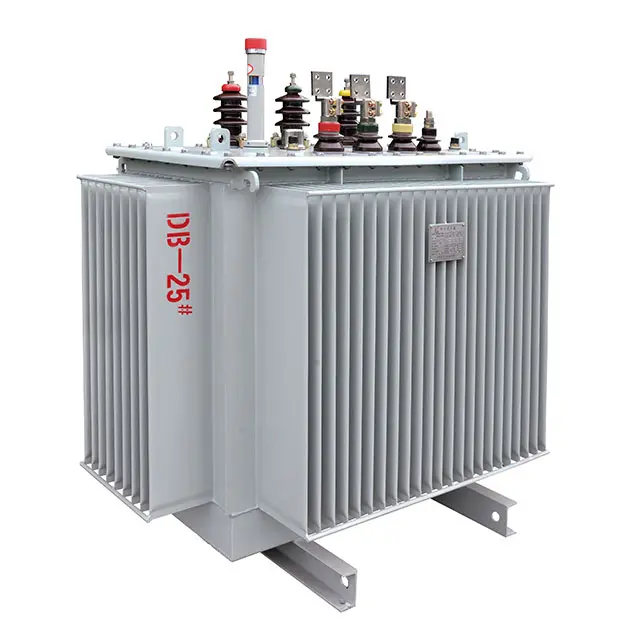
Residential power systems typically utilize distribution transformers, which step down high-voltage electricity from power lines to levels suitable for home use. These transformers can be pole-mounted or pad-mounted, depending on location and aesthetic considerations. Their primary function is to ensure reliable delivery of electricity to homes while safeguarding against voltage fluctuations that could damage household appliances.
In renewable energy systems, especially solar power setups, inverters and transformers work in tandem to convert generated direct current (DC) into alternating current (AC) suitable for the power grid. Here, transformer types vary from those integrated into inverters to standard step-up transformers that boost voltage for improved transmission efficiency. Each type must be carefully selected to align with the particular solar technology utilized.
Specialty applications, like those involving audio transformers, cater to sound equipment and require high-fidelity performance. These transformers, designed to optimize impedance matching and minimize distortion, are essential in high-quality audio processing systems. Their design must consider frequency response characteristics to ensure sound clarity and fidelity.
Case Studies: Successful Transformer Applications
Transformer technology plays a vital role in numerous industries, with various types tailored to meet specific needs. This section examines several case studies that illustrate successful implementations of transformers in distinct application scenarios.
One notable case study involves the use of distribution transformers in urban environments. A metropolitan utility faced significant challenges in managing the power supply amidst increasing energy demands and aging infrastructure. The solution was to deploy energy-efficient distribution transformers that reduced losses and improved overall system reliability. As a result, the utility reported a 15% decrease in energy losses within the first year after implementation, alongside enhanced voltage stability across the network.
In the renewable energy sector, another case study highlights the employment of power transformers in a solar energy facility. This facility was designed to harness solar power effectively and convert it into usable electricity. Implementing step-up transformers enabled the plant to elevate the voltage produced by solar panels, facilitating efficient energy transmission to the grid while minimizing energy losses. The facility not only met its production targets but also positioned itself as a model for future renewable energy projects.
Furthermore, industrial applications showcase the effectiveness of isolation transformers in manufacturing plants that handle sensitive equipment and high-voltage systems. One such facility encountered frequent operational disturbances due to electrical noise and voltage fluctuations. By integrating isolation transformers, the plant restored operational integrity, significantly reducing equipment downtime and safeguarding sensitive machinery from potential damage. The outcomes indicated a marked improvement in operational efficiency and reliability, underpinning the importance of selecting appropriate transformer types for specific challenges.
These case studies reveal the significant impact of choosing the right transformer types across various applications. Each instance underlines the necessity of assessing individual requirements and challenges when implementing transformers to achieve optimal results.
Common Misconceptions About Transformers
Transformers are critical components in electrical systems, yet many misconceptions about them persist. One prevalent myth is that larger transformers inherently offer more efficiency. While it’s true that larger transformers can handle greater loads, their efficiency is not solely determined by size. In fact, the design, materials used, and operational conditions significantly influence a transformer’s overall efficiency. A smaller, well-designed transformer may outperform a larger one, especially in specific applications.
Another common misunderstanding revolves around the noise generated by transformers. Many believe that all transformers operate at high noise levels; however, this is not the case. Noise levels can vary considerably based on the type of transformer, its design, and the environment in which it operates. For example, shielded transformers or those equipped with advanced insulation typically exhibit lower noise levels, making them suitable for applications where quiet operation is paramount.
Safety concerns associated with transformers also contribute to misconceptions. It is frequently assumed that transformers pose a significant risk of electrical hazards. While it is essential to ensure proper installation and maintenance, modern transformers are designed with numerous safety mechanisms in coordination with stringent regulations. These safety features minimize operational risks and enhance the reliability of transformers in various environments.
Lastly, the belief that transformers require constant maintenance is misleading. While regular inspections are vital to ensure optimal performance, many transformers are designed for long-term reliability with minimal maintenance. Technological advancements have led to better materials and designs, allowing transformers to function efficiently over extended periods, reducing the need for frequent servicing.
Future Trends in Transformer Technology
As the global demand for energy continues to expand, the transformer industry is on the cusp of significant technological advancements. One of the most noteworthy trends is the emergence of smart transformers. These innovative devices are equipped with advanced monitoring and control systems that enable real-time data analysis, improving operational efficiency and reliability. Smart transformers facilitate the integration of renewable energy sources by optimizing power distribution and enabling better load management.
Another key development in transformer technology is the evolution of materials and design. Engineers are exploring the use of novel materials, such as amorphous steel and composite insulation, to enhance performance and reduce losses. These materials not only improve the efficiency of transformers but also contribute to a lighter and more compact design. Such advancements are particularly advantageous for installations in urban environments, where space is often limited.
Furthermore, the shift towards electric vehicles (EVs) is influencing transformer technology. The increasing need for charging infrastructure is necessitating the development of transformers that can handle high-frequency operations and rapid power delivery. This includes more robust designs that can withstand the dynamic loads associated with EV charging stations, ensuring reliability and safety.
With regulatory frameworks becoming increasingly stringent regarding emissions and energy efficiency, the transformer industry is focusing on sustainability. Innovations aimed at reducing the environmental impact of manufacturing and operating transformers are gaining traction. This includes the adoption of recyclable materials and energy-efficient designs that align with green initiatives across various industries.
In conclusion, the trends shaping the future of transformer technology reflect an industry that is evolving to meet the demands of a sustainable and technologically advanced energy landscape. Innovations such as smart transformers, advanced materials, and designs will play a crucial role in meeting the energy needs of tomorrow.
Tips for Maintenance and Management of Transformers
Transformers play a vital role in electrical systems, and their performance and longevity are critical to ensuring the stability and reliability of power distribution. Proper maintenance and management of transformers can significantly prolong their lifespan, minimize downtime, and enhance operational efficiency. Here are some essential tips for transformer care.
Regular inspection is the foundation of a solid maintenance strategy. Visual checks should be performed to identify signs of physical damage, oil leaks, and corrosion. Recording the status of various components, including bushings, tap changers, and cooling systems, can help in promptly addressing any abnormalities. Over time, performance metrics should also be logged to identify trends indicating potential issues before they escalate into failures.
Implementing preventive maintenance strategies is crucial in ensuring that transformers continue to function efficiently. This can include routine tasks such as cleaning, tightening connections, and testing insulation resistance. Regular oil testing is also recommended to assess the condition of the insulating fluid and to detect the presence of any contaminants or moisture. The data obtained from these tests can guide further actions, including oil replacement or treatment.
Moreover, adopting operational best practices is essential for transformer health. Ensuring that transformers are not overloaded, and following the manufacturer’s guidelines for loading limits can prevent undue strain on the equipment. It is equally important to keep ample clearance around transformers to facilitate air circulation and to ensure that cooling systems operate effectively. These measures not only optimize performance but also reduce the likelihood of unexpected failures.
Incorporating these maintenance and management strategies will help ensure the operational reliability of transformers, ultimately supporting the seamless functioning of electrical networks.
Conclusion and Final Thoughts
In the realm of electrical engineering, the selection of the appropriate transformer type plays a pivotal role in the efficiency and reliability of electrical systems. Throughout this blog post, we have examined various transformer types, including step-up, step-down, isolation, and auto transformers, each designed to serve specific functional requirements. Understanding the characteristics and applications of each type is essential for engineers, technicians, and anyone involved in power distribution or electrical design.
The transformer acts as a crucial link in energy transmission, influencing not only the performance of electrical circuits but also ensuring safety and compliance with technical specifications. For example, step-up transformers are commonly used in power plants to increase voltage levels for long-distance transmission, minimizing energy losses. Conversely, step-down transformers are vital in distribution systems, where voltage reduction is necessary to meet end-user requirements.
Isolation transformers provide vital protection against electrical shocks and equipment damage by decoupling circuits, thus enhancing safety. Similarly, auto transformers offer a compact solution for applications needing voltage adjustments without the cost and size of traditional transformers. Thus, the application context dictates the transformer type choice.
Given these insights, it is paramount for users to carefully evaluate their specific requirements when selecting transformers for their projects. Factors such as voltage levels, load characteristics, and safety considerations must be taken into account to ensure optimal performance. A thorough understanding of the available transformer types not only facilitates sound decision-making but also contributes to the overall efficacy of electrical systems.